...

By Billal Rahman
Immigration Reporter
0
Share
Newsweek is a Trust Project member
See more of our trusted coverage when you search.Prefer Newsweek on Googleto see more of our trusted coverage when you search.
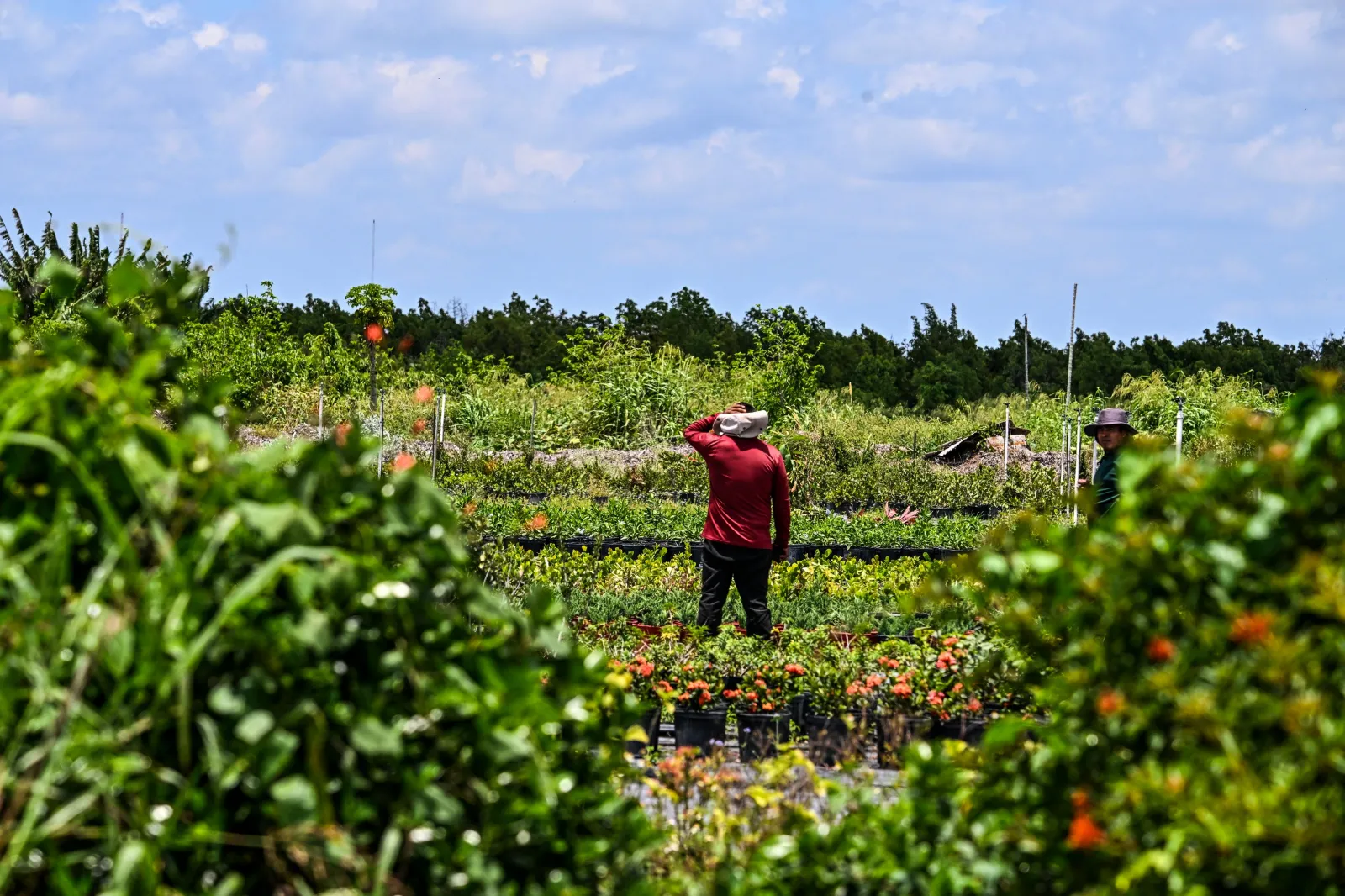
The Trump Organization's winery in Charlottesville is seeking to hire 36 temporary foreign farmworkers for seasonal vineyard work.
The positions offer $13.90 an hour, almost $2 less than similar roles paid in 2025 and below rates offered for comparable jobs at the property since 2021, according to federal records.
The Department of Labor job posting, which was first reported by Forbes, lists full-time vineyard positions running from February through October. Duties include pruning, thinning, harvesting and general vineyard maintenance. No prior experience is required.
Read More on News
When approach for comment, the White House referred Newsweek to the Trump Organization. Newsweek contacted the Trump Organization for comment via email outside office hours.
Why It Matters
In October, the Department of Labor changed how wages are calculated for some H-2A visa farmworkers, lowering pay rates for certain jobs. Two months later, the Trump Organization filed to hire 36 foreign workers for its Virginia winery, citing a shortage of U.S. labor and saying that hiring foreign workers would not affect domestic wages or working conditions.
...
What To Know
"This job opportunity offers U.S. workers no less than the same benefits, wages, and working conditions that the employer is offering, intends to offer, or will provide to H-2A workers," the filing said.
U.S. law allows employers to hire foreign workers on temporary visas when there are not enough qualified American applicants. The Trump Organization has frequently used two such programs, the H‑2A visa for temporary agricultural work and the H‑2B visa for nonagricultural seasonal jobs, including positions at resorts and clubs such as the president's Mar-a-Lago estate.
To participate, employers must first obtain certification from the Department of Labor confirming that hiring foreign workers would not harm U.S. employees' wages or working conditions. They then petition the Department of Homeland Security, after which eligible workers abroad can apply for the visa at a U.S. Embassy or Consulate. Currently, citizens from about 90 countries are eligible.
The H‑2A program specifically ensures that foreign agricultural workers do not undercut domestic labor standards. Under the program, employers must interview all applicants from any source at no cost and hire qualified U.S. workers who are available.
Critics of the programs have argued that they can depress wages, while supporters say they fill positions that would otherwise go unfilled and keep agricultural and seasonal businesses running.
Over the five years Trump was president, the Trump Organization requested permission to hire 602 foreign workers, according to Labor Department records reviewed by Forbes. Trump has defended the use of foreign worker visas in the past.
The United Farm Workers union and a group of individual farmworkers have sued the Department of Labor to overturn a rule they say would lower wages for H‑2A workers and allow employers to undercut U.S. workers' pay and conditions, arguing that it violates federal labor protections.
Separately, California Attorney General Rob Bonta and other state officials have publicly opposed the Labor Department's interim rule, warning that it abandons reliable wage data, could deepen farmworker poverty and harms public interests.
The administration's approach to immigration enforcement has sparked concerns about its effects on the labor market and worsening worker shortages. One response to these gaps is the H‑2B visa program, which lets U.S. employers bring in temporary foreign workers each year for seasonal or short-term jobs in sectors such as hospitality and tourism when there are not enough domestic applicants.
What People Are Saying
John Walt Boatright, the director of government affairs at the American Farm Bureau Federation, told Investigate Midwest in November: "The H-2A program is not the sustainable solution, but it is a short-term solution. I do foresee the H-2A program continuing to increase in use, but by no means is that a measure of its popularity."
A USDA spokesperson told Newsweek in September: "President Trump is putting America First and that includes strengthening the farm workforce and streamlining H-2A and H-2B visa programs. Our immigration system has been broken for decades, and we finally have a President who is enforcing the law and prioritizing fixing programs farmers and ranchers rely on to produce the safest and most productive food supply in the world."
View 0 Comments
Submit Correction
View Editorial & AI Guidelines