...

By Amir Daftari
News Reporter
0
Share
Newsweek is a Trust Project member
See more of our trusted coverage when you search.Prefer Newsweek on Googleto see more of our trusted coverage when you search.
Defense Secretary Pete Hegseth visits the Dominican Republic on Wednesday for talks on combating drug trafficking, as tensions between Washington and Caracas continue to escalate.
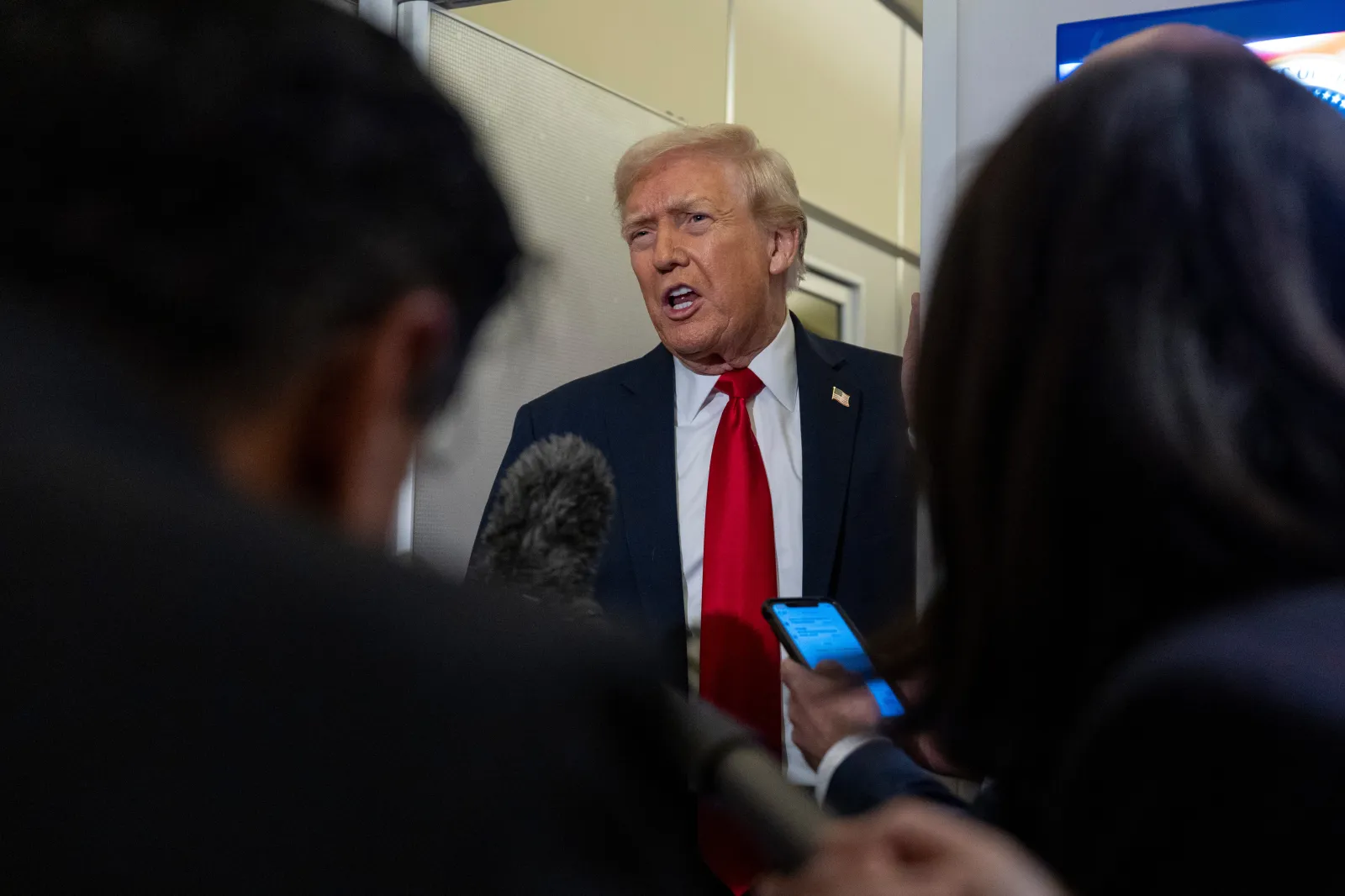
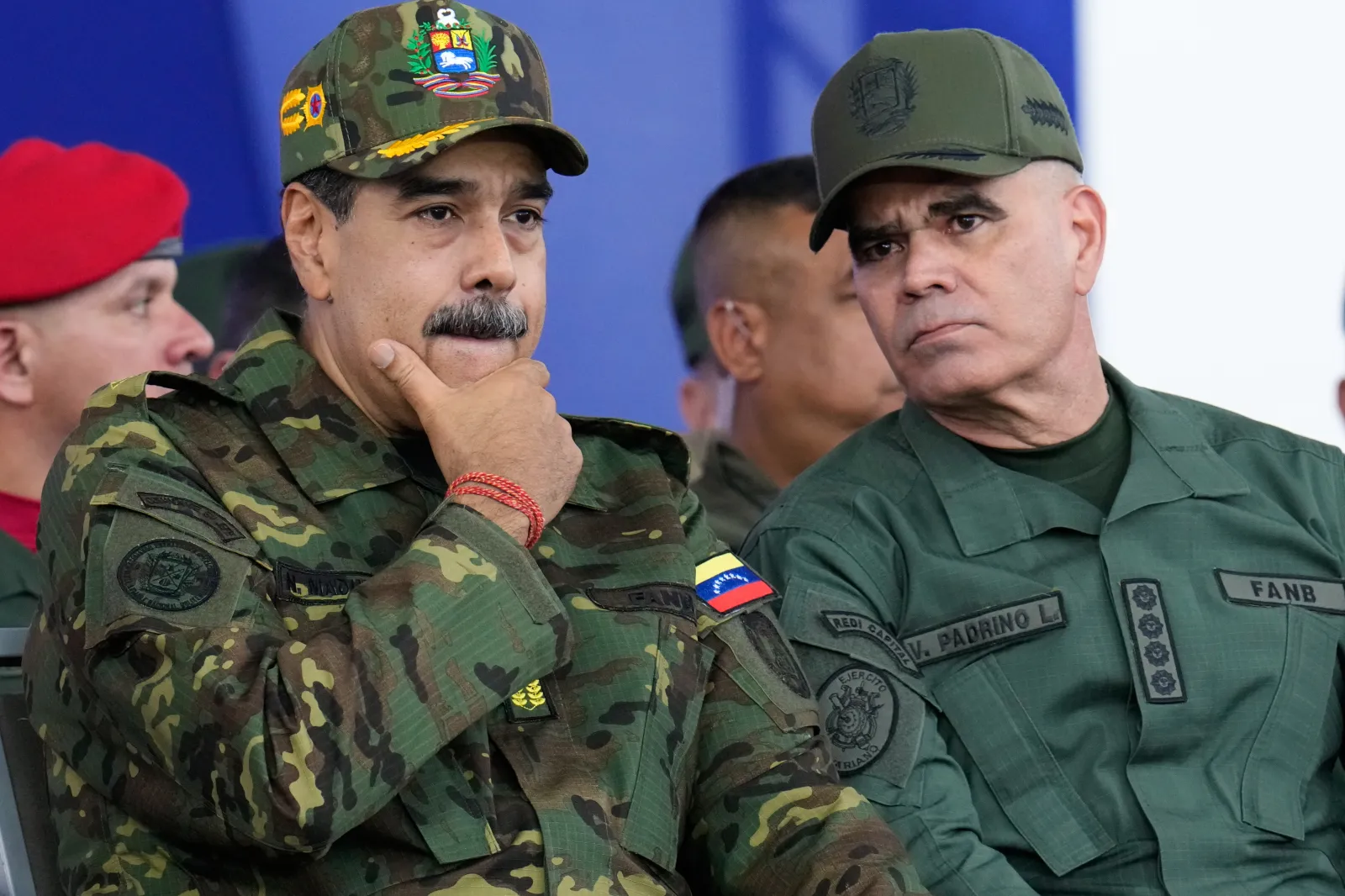
At the same time, President Donald Trump has indicated he is willing to speak directly with Venezuelan President Nicolás Maduro, who has also signaled openness to dialogue.
The moves highlight a rare opening for diplomacy even as the U.S. maintains a strong military presence in the Caribbean and a range of legal and strategic pressures aim to curb Maduro’s influence. The developments suggest that Washington is pursuing a delicate balance between negotiation and force in its effort to address both drug trafficking and regional stability.
Read More on News
Newsweek has contacted the State Department and Venezuela's Foreign Ministry for comment via email.
Why It Matters
The potential for direct communication between Trump and Maduro comes at a critical moment. U.S. forces have intensified operations in the Caribbean, targeting vessels accused of transporting narcotics from Venezuela, killing at least 83 people.
In addition, the U.S. State Department recently designated the Cartel de los Soles—a network of Venezuelan military and government officials allegedly involved in drug trafficking—as a foreign terrorist organization. The designation gives Washington broader legal authority to target officials linked to the network, including Maduro. At the same time, Venezuela retains leverage through its crude oil exports, which could be used in negotiations. How the situation unfolds could determine whether the standoff escalates or moves toward a negotiated arrangement.
...
What To Know
Maduro has the ability to offer crude oil shipments, most of which currently flow to China, as a potential bargaining chip if talks with Washington proceed. As U.S. pressure on his government mounts, Maduro has indicated a willingness to hold face-to-face meetings with representatives of the Trump administration, signaling that he may be open to negotiation despite ongoing sanctions and military pressure.
Trump Signals Diplomatic Option
This potential for dialogue comes as the Trump administration has said the president plans to hold a direct call with Maduro. According to Axios, the discussion is still “in the planning stages,” and no date has been set. The call follows weeks of U.S. maritime operations, including Operation Southern Spear, aimed at stopping drug shipments from Venezuela. Axios reports that the timing suggests Washington is weighing diplomacy alongside ongoing military and legal measures.
Military Pressure
Those military measures have included at least 21 missile strikes on vessels the Pentagon says were smuggling narcotics, resulting in at least 83 deaths. While U.S. officials describe the operations as focused on drug interdiction, Axios reports that some sources view the campaign as a way to maintain leverage over Caracas.
Hegseth’s visit to Santo Domingo to meet President Luis Abinader and Defense Minister Carlos Antonio Fernández Onofre underscores the regional dimension of this strategy. The trip follows a visit to Trinidad and Tobago by Joint Chiefs Chairman General Dan Caine, the U.S. military’s top officer, who met Prime Minister Kamla Persad-Bissessar to discuss threats including drug trafficking and transnational criminal networks.
...
Cuba Weighs In
Meanwhile, Cuba has accused the U.S. of pushing toward the violent removal of Venezuela’s leadership, calling the deployment of U.S. forces “exaggerated and aggressive.”
“We appeal to the people of the United States to stop this madness,” Cuban Foreign Minister Bruno Rodriguez said on X Tuesday. He warned in Spanish that “the U.S. government could cause an incalculable number of deaths and create a scenario of violence and instability in the hemisphere that would be unimaginable,” adding that such actions would violate international law and the United Nations charter.
What Happens Next
A Trump-Maduro call could mark a turning point. If Maduro offers concessions—particularly related to oil or investment—the U.S. may ease sanctions in exchange for reduced narcotics flows. If diplomacy falters, the administration could escalate military or covert operations.
Venezuela now stands at a crossroads, with Maduro wagering on negotiation and strategic leverage to preserve his rule, while Trump balances the full weight of military and legal pressure with the possibility of dialogue. The coming weeks could determine whether confrontation or compromise defines this high-stakes standoff.
View 0 Comments
Submit Correction
View Editorial & AI Guidelines