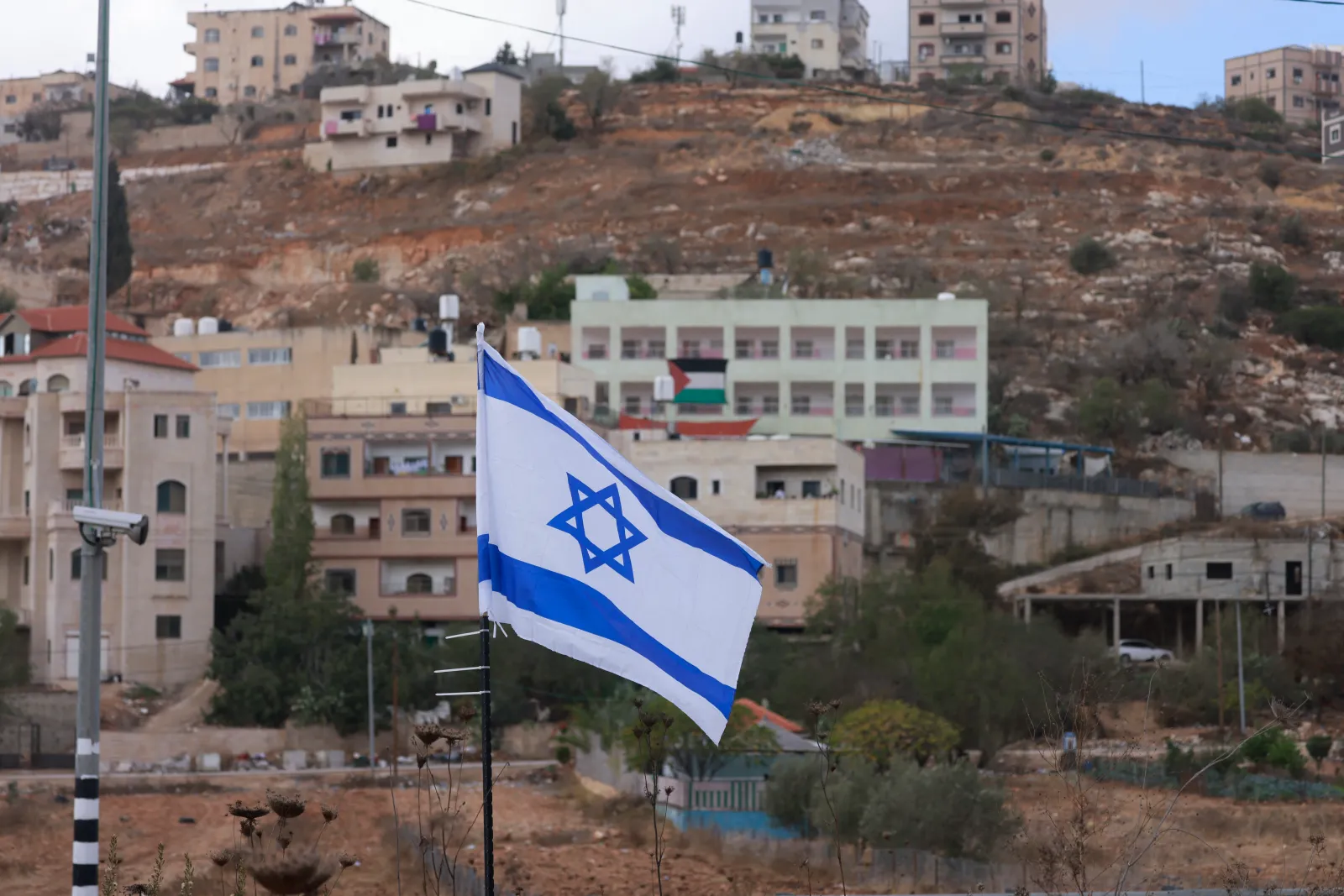
...

By Anna Skinner
Associate News Editor
0
Share
Newsweek is a Trust Project member
See more of our trusted coverage when you search.Prefer Newsweek on Googleto see more of our trusted coverage when you search.
The United States has tightened its travel warning for Israel, urging Americans to reconsider travel and authorizing non‑emergency personnel to leave as fears of a wider conflict with Iran intensify.
The revised advisory, issued February 27, warns that the security situation in Israel, the West Bank and Gaza has become increasingly volatile, with the State Department cautioning that sudden travel restrictions, rocket alerts, and flight disruptions are possible amid rising regional tensions. The update comes as U.S.–Iran nuclear talks in Geneva ended without a breakthrough, heightening concerns that stalled diplomacy and expanded U.S. military deployments could trigger a broader war.
"The security situation in Israel, including Tel Aviv and Jerusalem is unpredictable, and U.S. citizens are reminded to remain vigilant and take appropriate steps to increase their security awareness as security incidents, including mortar and rocket fire and armed UAV intrusions and missiles, can take place without warning."
Read More on News
Newsweek reached out to the U.S. Department of State by online request form for comment.
What Is Happening in Israel
Israel is facing a rapidly evolving security landscape shaped by terrorism concerns, sporadic violence, and heightened regional military activity. The updated U.S. advisory cites increased risks from terrorist groups, lone‑actor extremists, and the potential for sudden rocket or UAV attacks across major metropolitan areas, including Tel Aviv and Jerusalem.
...
Meanwhile, military tensions involving Iran have inflamed uncertainty: talks in Geneva ended with “significant progress” but no agreement, and U.S. forces—including the USS Gerald R. Ford—have surged into the region as Washington weighs its options.
Is It Safe to Travel to Israel Right Now?
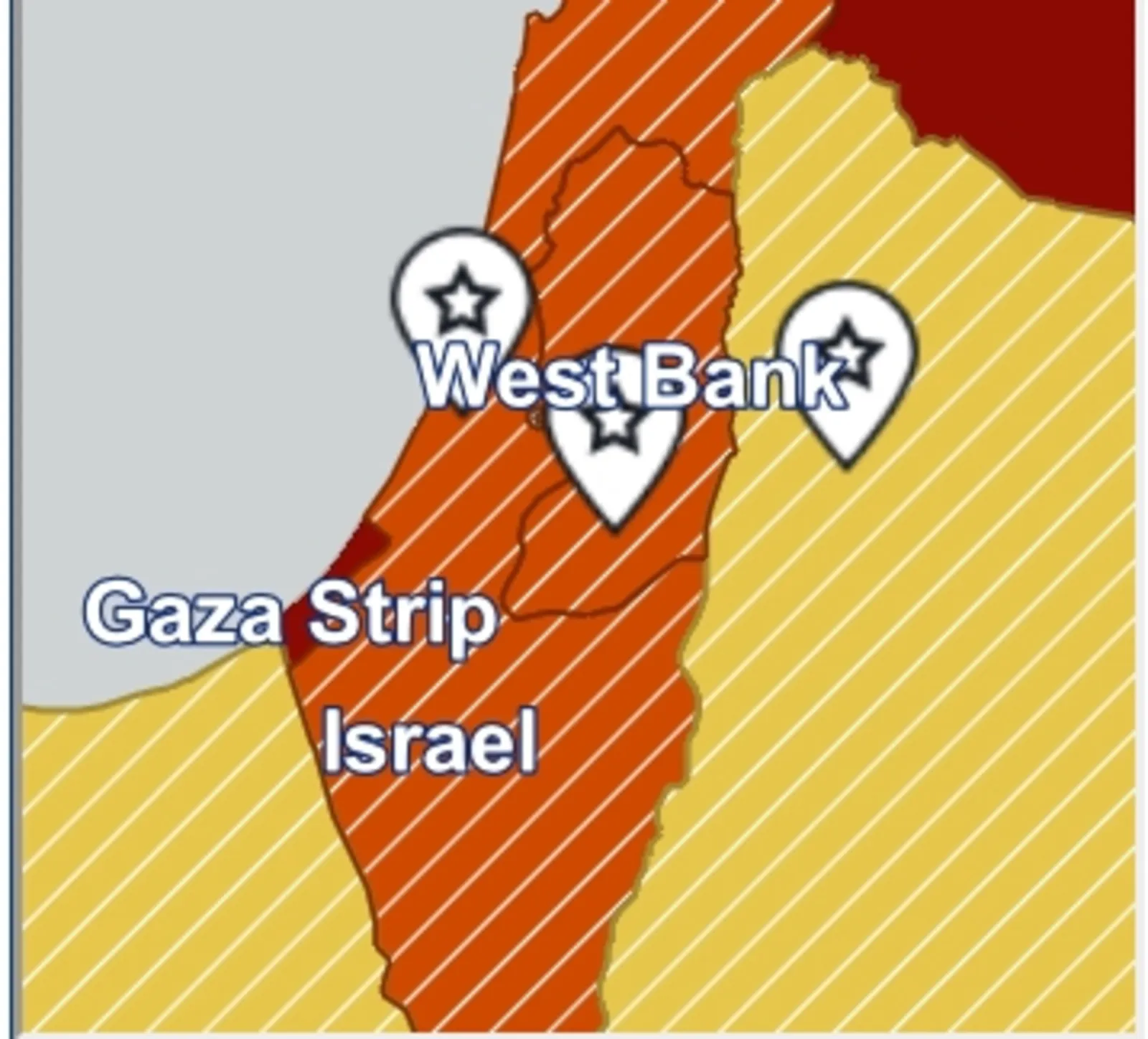
According to the State Department, travel to Israel and the West Bank currently falls under Level 3: Reconsider Travel, while Gaza and border‑adjacent zones remain Level 4: Do Not Travel areas due to terrorism, civil unrest and ongoing military activity. The advisory warns that the U.S. Embassy may impose movement restrictions without notice, airlines may cancel flights, and security incidents can erupt without warning. These cautions have intensified as U.S.–Iran negotiations falter, and fears mount that any military escalation could reverberate across Israel’s borders.
...
Israel Evacuations
The United States has authorized the departure of non‑emergency U.S. government personnel and their families, advising private citizens to consider leaving while commercial flights remain available. Embassy staff face strict limitations on travel near Gaza, the northern borders with Lebanon and Syria, and parts of the West Bank. The precaution comes as Iran signals readiness to retaliate against U.S. or Israeli military assets if diplomacy collapses, a scenario that officials warn could sharply escalate the risks for Americans in the region.
View 0 Comments
Submit Correction
View Editorial & AI Guidelines