
10
Loading video...

By Fankai Oliver Yang
0
Share
Newsweek is a Trust Project member
See more of our trusted coverage when you search.Prefer Newsweek on Googleto see more of our trusted coverage when you search.
President Donald Trump’s immigration crackdown should not destabilize one of the few immigration programs designed to bring foreign capital into the United States and turn it into American jobs.
The administration should investigate fraud, scrutinize investment funds and protect national security. But legitimate investors need something equally important: clear rules, predictable timelines and a system they can trust before committing hundreds of thousands of dollars.
The EB-5 investor program, often described as the U.S. equivalent of a “golden visa” program, was built around that principle. It allows foreign investors to pursue permanent residency by investing in a qualifying U.S. commercial enterprise and creating or preserving at least 10 full-time jobs for qualified U.S. workers. The program now faces several significant legal and regulatory issues, including a critical deadline at the end of the month.
Read More on Leadership Insights
Recent data shows continued demand. According to January 2026 data obtained by the American Immigrant Investor Alliance through a Freedom of Information Act request, 13,520 EB-5 investor petitions were filed between April 2022 and July 2025. Chinese investors accounted for 51 percent of filings and Indian investors another 22 percent, followed by investors from countries including Taiwan, South Korea and Vietnam.
These investors are making decisions involving substantial capital based on the expectation that the legal framework will remain predictable enough to plan around.
That does not mean the government should weaken enforcement. Fraud, questionable sources of funds, national-security concerns and failures to create promised jobs should all face scrutiny. A weak EB-5 program helps no one; not American workers, legitimate investors or the immigration system itself.

...
But there is a critical difference between stopping abuse and creating uncertainty for legitimate participants.
Investors understand business risk. A project can fail. Markets can change. Capital can be lost. What investors cannot reasonably plan around is inconsistent adjudication, vague standards, or sudden policy changes that disrupt decisions already made under existing rules.
If the United States creates that kind of uncertainty, investors have alternatives. Capital can move to other countries and markets. If investors conclude that the American system is too unpredictable, they will not simply leave their money here. They will take it elsewhere, and there are plenty of options to do so. Alternative options would be located in Panama, Argentina, Malta, Greece, and more.
Related Story
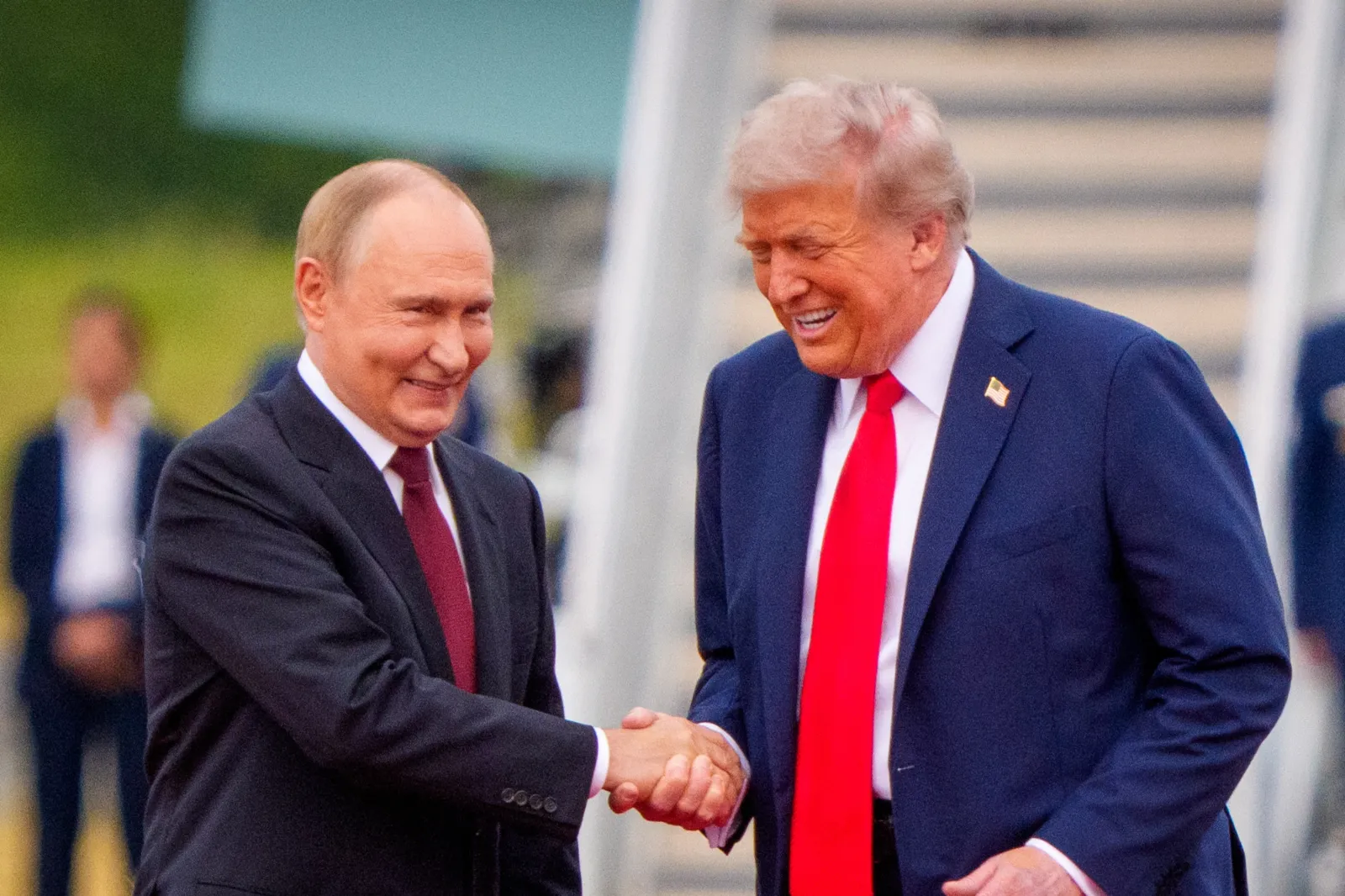
Putin’s New MAGA Immigration Formula
American communities then lose the economic benefits that capital could have generated. Projects are delayed or abandoned. Businesses lose opportunities. Jobs that could have been created never materialize.
The timing makes this particularly important. The EB-5 program faces several significant legal and regulatory issues.
First, a grandfathering provision protects investors who file qualifying petitions by September 30, 2026, if the program subsequently expires. Those filing after the deadline would not receive the same protection under current law. That protection is important for investors who have already committed capital under existing law. Not providing an extension could create unnecessary uncertainty for people who made decisions in good faith based on the rules in place at the time.
Second, the EB-5 Regional Center program is currently authorized through September 30, 2027. Regional Centers play a major role in facilitating EB-5 investments, and waiting until the last minute to address reauthorization would create avoidable uncertainty for investors, developers, and American communities relying on the capital.
Third, the minimum EB-5 investment amount is subject to adjustment every five years, with the next adjustment scheduled for January 2027. Investors and projects need timely guidance about how that change will be implemented. Even legitimate policy changes can disrupt investment decisions when they arrive without sufficient notice.
None of this requires weaker oversight.
A credible EB-5 system should maintain rigorous financial scrutiny, national-security safeguards and accountability for job creation. The objective should be enforcement with predictability.
America can demand transparent source-of-funds documentation, investigate fraud and hold projects accountable while also establishing clear standards and applying them consistently. Policy changes should be implemented in a way that does not unnecessarily punish people who relied on existing rules.
This principle extends beyond EB-5. Foreign entrepreneurs, investors and businesses already face a fragmented U.S. immigration system, with different visa categories carrying different restrictions and trade-offs. There is no single, straightforward pathway for every investor or entrepreneur.
That makes it even more important not to undermine a program specifically designed to connect foreign investment with American job creation.
For many investors, the decision is not simply which U.S. immigration category to use. It is whether to commit capital, build a business and create economic activity in the United States, or take that capital and opportunity elsewhere.
The goal should not be to maximize immigration for its own sake. It should be to attract legitimate investors and entrepreneurs while maintaining a system strict enough to prevent abuse and predictable enough to earn their confidence.
Congress and the administration should act accordingly.
Congress should extend the EB-5 grandfathering provision before September 30, protecting investors who have relied on existing law. It should also address Regional Center reauthorization well before the September 30, 2027, deadline.
The administration should provide timely guidance on regulatory changes, including the upcoming investment-amount adjustment, so investors and businesses have a reasonable opportunity to plan.
America can secure its borders, enforce its laws and protect national security without making legitimate investment unnecessarily difficult.
The choice should not be between strong enforcement and economic growth. A well-designed EB-5 program can deliver both.
Fankai Oliver Yang is a business immigration attorney and partner at Reid & Wise LLC, where he leads the firm’s immigration practice.
The views expressed in this article are the writer's own.
View 0 Comments
Submit Correction
View Editorial & AI Guidelines