...

By Amanda Greenwood
Associate News Editor
0
Share
Newsweek is a Trust Project member
See more of our trusted coverage when you search.Prefer Newsweek on Googleto see more of our trusted coverage when you search.
The U.S. Embassy in Mexico has issued a travel advisory to thousands of Americans planning to visit the country for spring break.
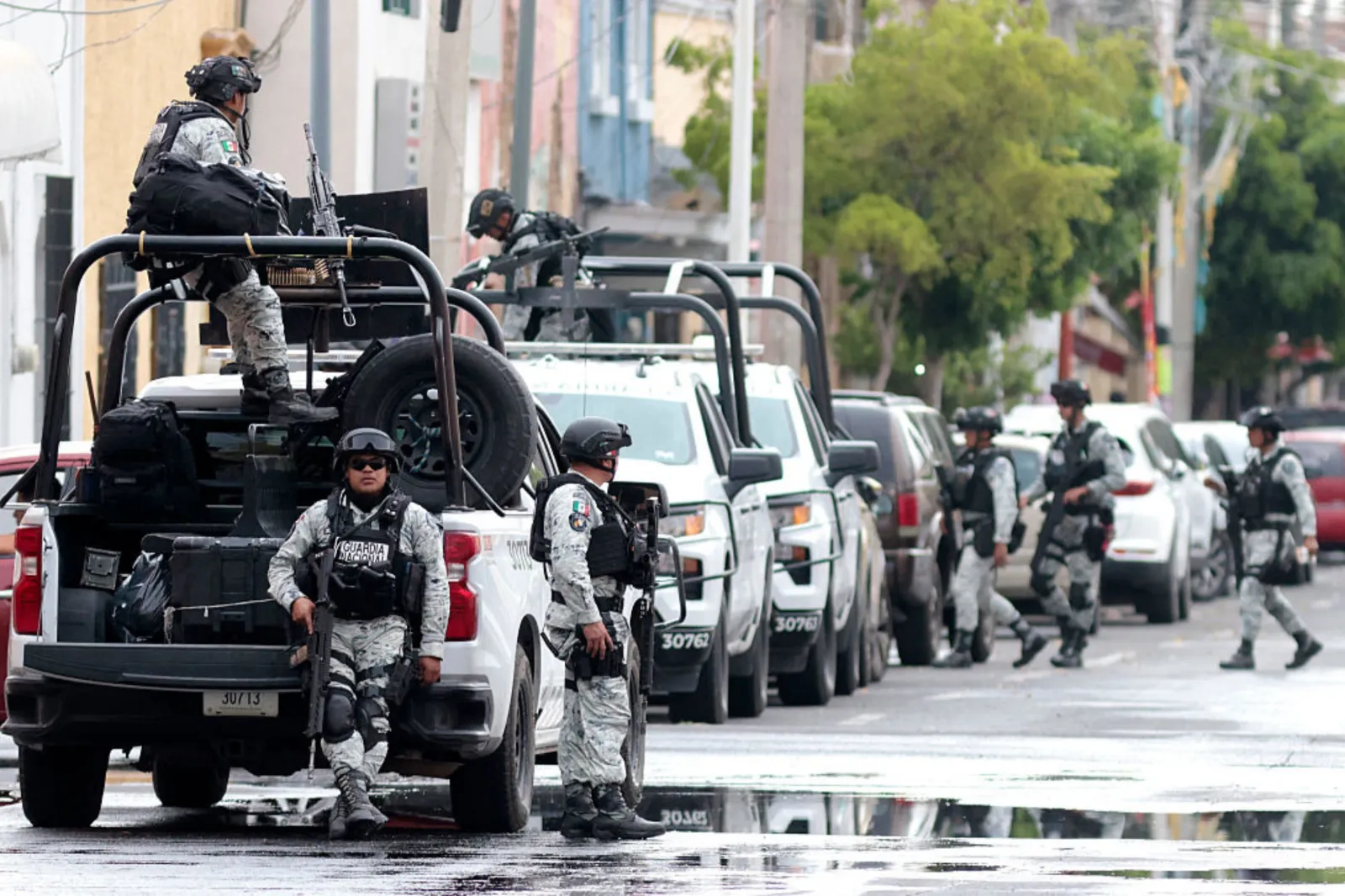
The U.S. Embassy said that while recent widespread violence had ended after the Mexican army killed the country's most powerful drug lord, risks of carjacking, robbery, kidnapping, and drugs remain, particularly in popular tourist areas.
The broader U.S. State Department advisory outlines stricter state‑by‑state risk levels, including “Do Not Travel” advisories for Guerrero, Michoacán, Sinaloa, Tamaulipas, Zacatecas, and Colima. It also issued "Reconsider Travel" advisories for Baja California, Chiapas, Chihuahua, Guanajuato, Jalisco, Morelos, and Sonora states.
Read More on News
The embassy also warned travelers to be cautious of consuming unregulated alcohol and counterfeit pharmaceuticals, and to be aware of the risk of sexual assault and scams.
It added that many beaches in Mexico have strong rip currents and tides, and that some are not supervised by trained lifeguards or marked with adequate warning signs.
The general advice for travelers is to "be prepared, be safe, and stay connected."
...
How To Stay Safe In Mexico
Officials have urged tourists not to share travel plans, hotel details, or personal information with strangers or on social media, and to report any scams or suspicious activity to local police.
To reduce risks linked to unregulated drugs, alcohol, and drink spiking, travelers should never accept drinks from strangers, leave beverages unattended, or consume alcohol from unknown sources, the embassy said. Medications should also only be purchased from regulated pharmacies, as counterfeit drugs are common.
The embassy also warned travelers not to bring vaping devices into Mexico, noting that it is illegal to carry e‑cigarettes, pods, or e‑liquid. Violations can result in arrest or fines exceeding $10,000.
Beachgoers are advised not to swim alone or after drinking alcohol, and to pay close attention to warning flags.
Travel risk expert Kevin Coffey told CBS News: "You really have to do your research on exactly what's going on in that destination and will it impact where you're going to be traveling into or traveling out of."
What Happens Next
The embassy said travelers should continue to track local conditions and U.S. government alerts as risks can change quickly in areas where cartels and organized crime groups operate, including in and around major tourist corridors.
Travel risk and security advisers also recommend that spring breakers review their cancellation policies, keep their holiday itineraries and plans flexible, and organize vetted transport to and from hotels to reduce risks.
View 0 Comments
Submit Correction
View Editorial & AI Guidelines