...
By Billal Rahman
Immigration Reporter
0
Share
Newsweek is a Trust Project member
See more of our trusted coverage when you search.Prefer Newsweek on Googleto see more of our trusted coverage when you search.
U.S. passport applicants are being advised to allow several weeks for processing as the Department of State reports routine wait times of about four to six weeks and expedited services of two to three weeks.
Travelers are being urged to plan ahead and account for mailing times and potential delays when applying for or renewing travel documents.
...
Read More on News
Processing Times and Mailing Delays
According to guidance from the Department of State, routine passport applications are typically processed within four to six weeks from the time they are received at a passport agency or center. Expedited service, available for an additional fee, generally takes two to three weeks. These estimates do not include mailing time, which can add additional time to both submission and delivery.
Applicants with urgent international travel may be eligible for in-person appointments if they are traveling within 14 days, or within 28 days if a foreign visa is required. Proof of imminent travel is required, and appointments are limited.
Processing times may vary depending on demand and application volume. The Department advises applicants to check the status of their application online after submission. Delays can occur if applications are incomplete, contain errors or require additional documentation.
The agency recommends that travelers apply well in advance of planned trips and ensure applications are complete and accurate, with all required documents and fees included.
A State Department spokesperson told Newsweek that the agency is dedicated to delivering high-quality service to passport applicants while ensuring U.S. national security.
What Is the SAVE Act?
The guidance comes as Republican lawmakers push the Safeguard American Voter Eligibility Act, a proposal that would require documentary proof of U.S. citizenship, such as a passport, when registering to vote in federal elections. Supporters say the measure is intended to enhance election integrity by ensuring only eligible citizens are able to vote. However, critics have raised concerns that it could suppress voter registration by creating additional barriers for eligible citizens, including married women, who may not have ready access to the required documentation.
How To Get a U.S. Passport
First-time applicants must complete Form DS-11 and apply in person at a passport acceptance facility. Required materials include proof of U.S. citizenship, valid identification, a compliant passport photo and the payment of fees. Eligible adults renewing a passport may apply by mail using Form DS-82 if their previous passport was issued within the last 15 years, was issued when they were age 16 or older and is not damaged or reported lost or stolen. To avoid delays, applicants should submit a complete and accurate application with all the required documents. Apply well in advance of travel, account for mailing times and choose expedited service if needed. Respond promptly to any requests for additional information to prevent processing delays.
Where Can You Get Passport Applications?
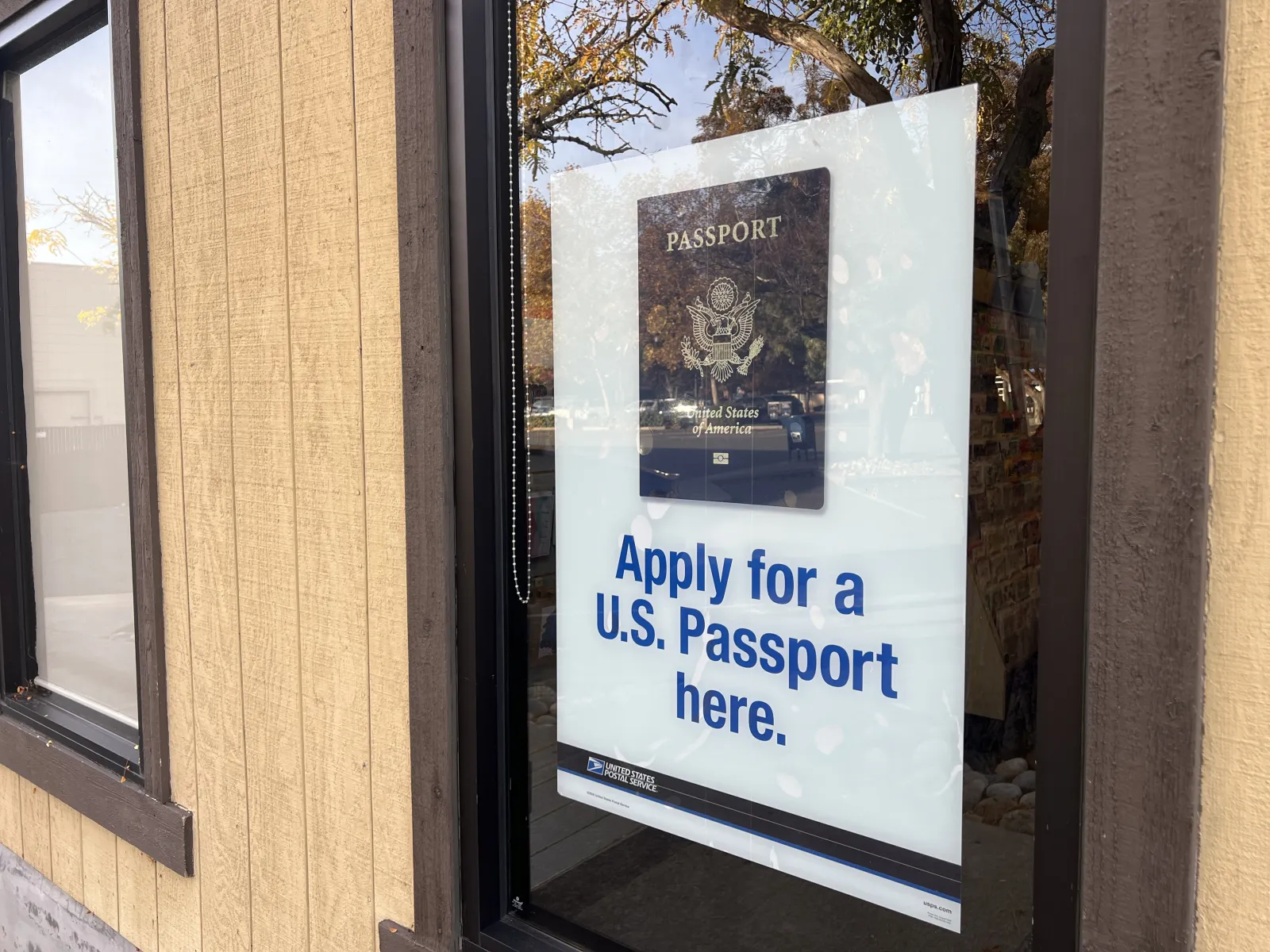
Passport application forms are available online through the Department of State's website and at passport acceptance facilities, such as post offices, clerks of court and some public libraries.
Passport Applications for Minors
Applicants under 16 must apply in person using Form DS-11, generally with both parents or guardians present or providing consent. Required documentation includes proof of the child's citizenship, proof of parental relationship, parental identification and a passport photo. Passports issued to minors under 16 are valid for five years, and minors are not eligible to renew by mail.
Passport Photos: What To Know
Passport photos must be 2 by 2 inches, taken within the past six months and show a clear, front-facing view of the applicant against a plain background with a neutral expression. Hats or head coverings are allowed only for religious or medical reasons, and eyeglasses are generally not permitted unless medically necessary with documentation. Noncompliant photos are a common cause of application delays.
In a polarized era, the center is dismissed as bland. At Newsweek, ours is different: The Courageous Center—it's not "both sides," it's sharp, challenging and alive with ideas. We follow facts, not factions. If that sounds like the kind of journalism you want to see thrive, we need you.
When you become a Newsweek Member, you support a mission to keep the center strong and vibrant. Members enjoy: Ad-free browsing, exclusive content and editor conversations. Help keep the center courageous. Join today.


View 0 Comments
Submit Correction
View Editorial & AI Guidelines