...

By Anna Skinner
Associate News Editor
0
Share
Newsweek is a Trust Project member
See more of our trusted coverage when you search.Prefer Newsweek on Googleto see more of our trusted coverage when you search.
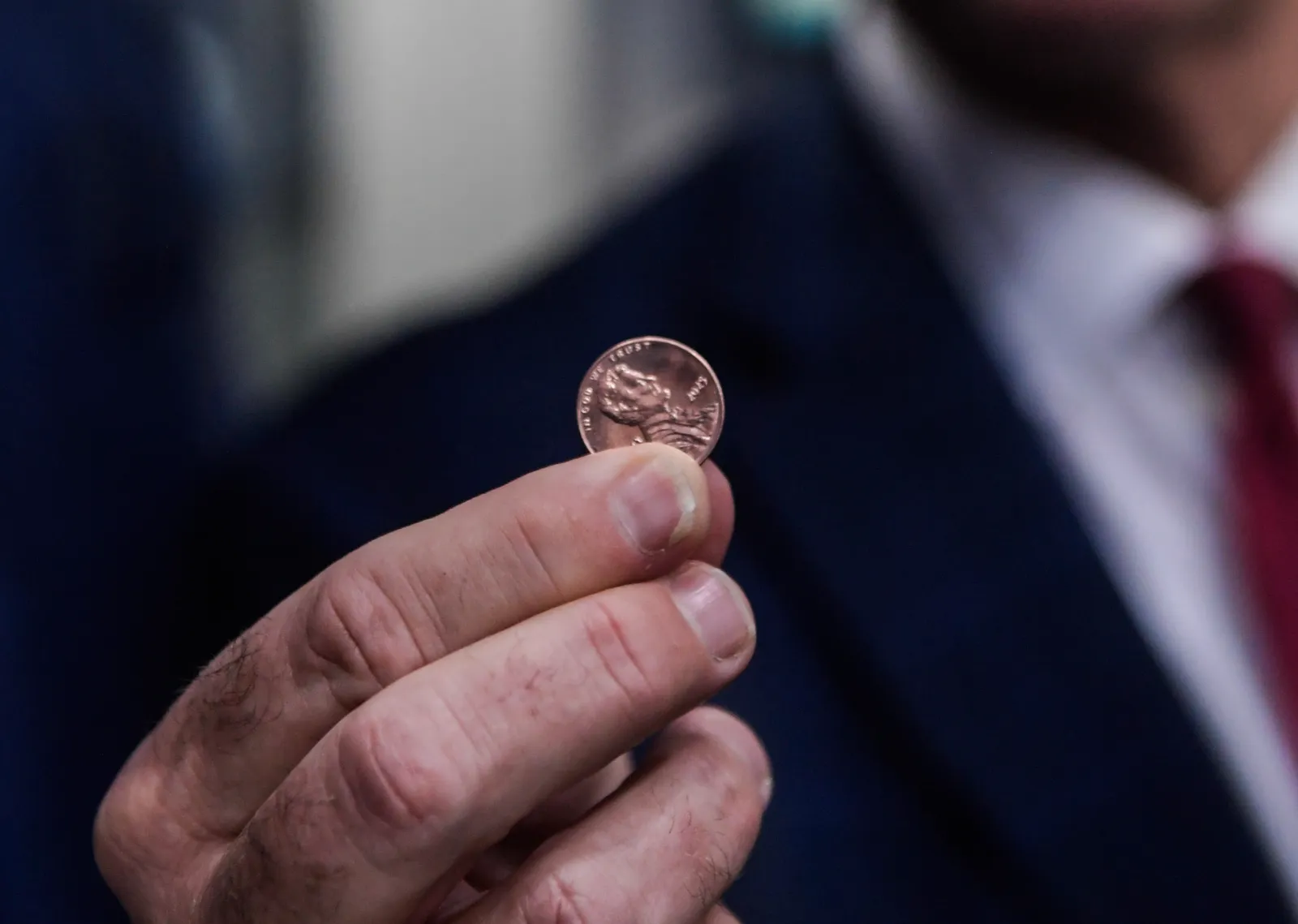
The United States Mint printed its last penny on Wednesday. However, the one-cent coin will remain legal tender, with some versions considered more valuable than others.
Newsweek reached out to the U.S. Mint Public Affairs office by phone for comment.
Why It Matters
The U.S. Mint marked the end of a 232-year run on Wednesday when it produced the last circulating penny at its Philadelphia facility.
Read More on U.S.
With billions of pennies still in circulation, collectors and consumers alike are now considering the future value and availability of the coin, as well as its implications for everyday transactions and the collectibles market.
What To Know
The official cessation of penny production follows President Donald Trump's order to the U.S. Mint earlier this year to halt the coins, citing the rising production costs.
...
"For far too long, the United States has minted pennies which literally cost us more than 2 cents," Trump wrote in an online post in February, adding that the practice was wasteful.
According to the U.S. Mint, the cost to produce a penny has grown from 1.42 cents to 3.69 cents in the past decade, surpassing the coin's face value.
The final pennies, featuring a special omega mark, will not enter general circulation. Instead, these coins will be auctioned to commemorate the end of production. The U.S. Treasury projects that discontinuing the penny will save $56 million annually in material costs.
The penny was first introduced in 1793. It has survived for more than two centuries, outlasting other low-denomination coins such as the half-cent, which was discontinued in 1857. Modern pennies are primarily made of zinc, with a copper plating.
Despite the halt, pennies remain legal tender, and according to the American Bankers Association, more than 250 billion pennies are still in circulation. Retailers and banks can still receive and dispense pennies, but industry observers report some signs of a shortage as existing supplies dwindle and the Federal Reserve stops restocking banks.
Which Pennies Are Most Valuable and Rare?
While the majority of pennies will retain their face value, their discontinuation and enduring legacy may drive interest from coin collectors and enthusiasts. The rarest and most valuable U.S. pennies include historical issues such as the 1909-S VDB Lincoln cent, the 1943 copper-alloy cent, and the 1955 doubled-die penny. These coins are prized for their scarcity and unique production histories and can sell for thousands or even millions of dollars at auction, depending on condition and provenance.
Pennies struck in certain years or with mint errors, such as double strikes, off-center dies, and misprints, are often highly sought after by collectors. For accurate assessment, coins should be authenticated and graded by nationally recognized services.
What People Are Saying
Acting U.S. Mint Director Kristie McNally said in a press release: “Today the Mint celebrates 232 years of penny manufacturing. While general production concludes today, the penny’s legacy lives on. As its usage in commerce continues to evolve, its significance in America’s story will endure.”
U.S. Treasurer Brandon Beach said in a post on X: "Today I attended the final penny strike, symbolizing the end of penny production and the return of common sense. Each year the U.S. loses millions producing pennies as their demand plummeted. @POTUS and his Administration are here to deliver effective government reform."
What Happens Next
Banks will continue to accept pennies even after production has ended, although some businesses may begin rounding transactions to the nearest nickel. Commemorative pennies bearing the final omega mark will be auctioned, providing collectors with an opportunity to own a piece of American monetary history.
View 0 Comments
Submit Correction
View Editorial & AI Guidelines