The Deseret News via AP/Getty Images

By Anna Skinner
Associate News Editor
0
Share
Newsweek is a Trust Project member
See more of our trusted coverage when you search.Prefer Newsweek on Googleto see more of our trusted coverage when you search.
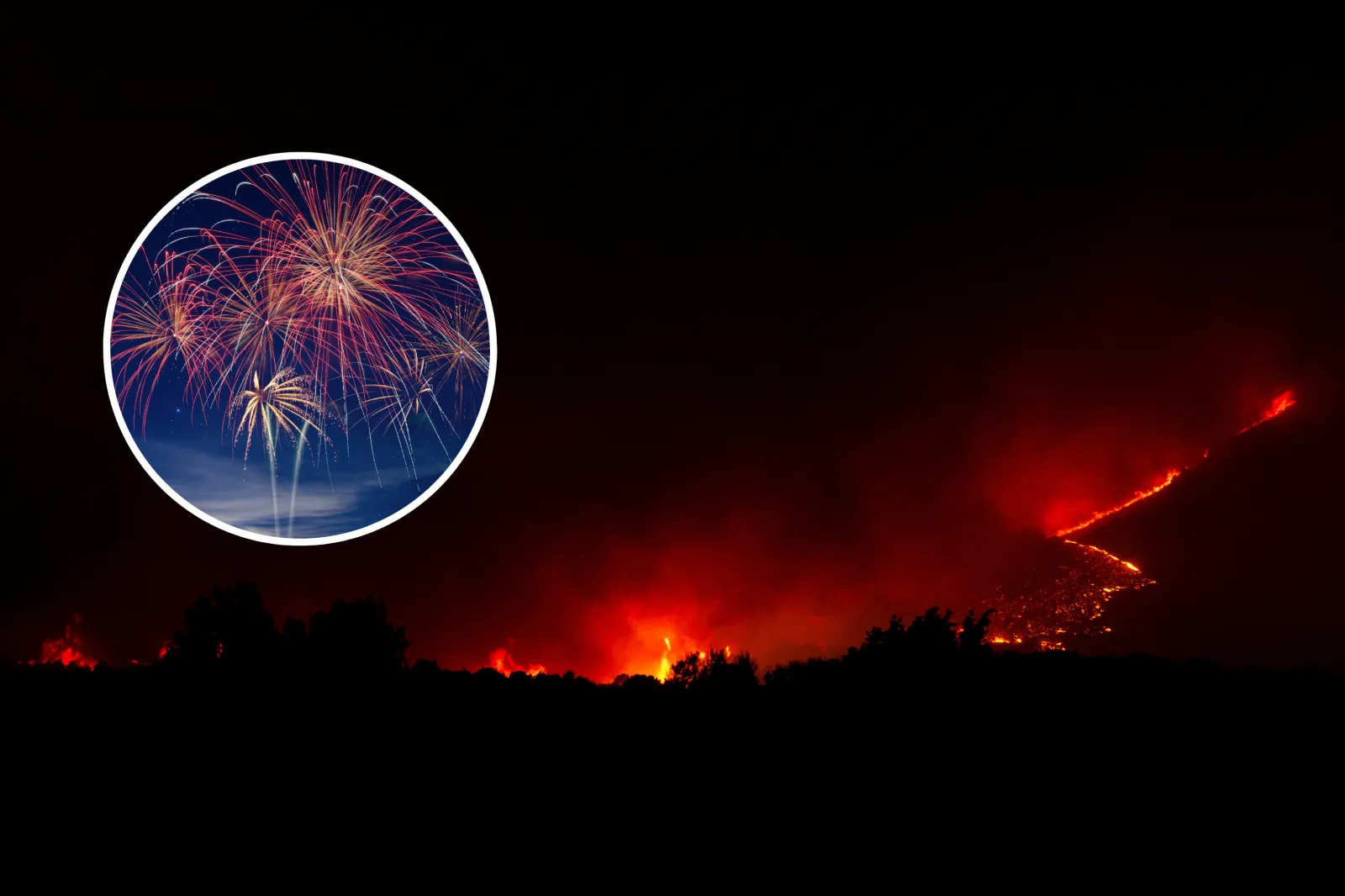
Utah Governor Spencer Cox has moved to restrict fireworks across the state ahead of the Fourth of July, citing what officials describe as historic wildfire danger fueled by hot, dry and windy conditions.
Cox issued an emergency order Thursday enabling the state forester to prohibit fireworks statewide through July 5 while still allowing cities to designate areas where they may be used safely. Cox made the announcement as multiple large fires burn across the state and officials warn that a single spark could trigger new blazes.
"Today isn't about politics, it's about protecting lives, protecting homes and communities during one of the most dangerous fire seasons our state has ever faced, certainly in our lifetime," Cox, a Republican, said at a press conference announcing the ban.
Read More on U.S.
The sweeping restrictions come as Utah faces one of its most dangerous fire weather setups in years. Red flag warnings have already been issued across nearly the entire state, signaling a combination of strong winds, low humidity and dry fuels that can rapidly spread flames. At the same time, several cities and regions are under public safety power shutoff watches, a precaution that could leave thousands without electricity for 48 hours or more this weekend if conditions worsen in an effort to prevent power lines from sparking fires.
...
Utah Fireworks Ban: What We Know
Cox said the Iron Fire near Eureka, one of the most significant wildfires this season that has surged past 37,000 acres in size, was likely started by illegal fireworks. He added that the order could be expanded around Pioneer Day, July 24, with the state even considering designating a future alternative date for legal fireworks use if conditions improve.
"Fireworks are inherently dangerous, they're inherently unpredictable, that's just part of how fireworks work," Cox said.
Newsweek reached out to Cox's office by email for comment.
Nearly the entire state is also facing what authorities describe as “extreme” wildfire threat levels, with dry vegetation and ongoing drought conditions contributing to heightened risk. Fires this season have already burned well over 100,000 acres, underscoring how quickly blazes can spread under current conditions.

...
Cox’s order reflects a growing urgency among state and local leaders to limit human-caused ignitions, which account for a large share of wildfires in Utah each year and 80 percent of the fires this year. Officials have repeatedly warned that even legal fireworks can ignite dry grass and brush, particularly during windy conditions.
Fireworks Bans Nationwide: What We Know
The broader legal framework in the U.S. remains permissive. Most states allow some form of consumer fireworks, with only a handful imposing strict limits or bans. Massachusetts stands out as the only state with a full ban on consumer fireworks. This patchwork of rules means that even as officials consider restrictions during high-risk periods, enforcement and legality can vary widely not just by state, but by county or city.
In Florida, for example, officials weighed the possibility of a ban earlier this year as drought covered large portions of the state and thousands of wildfires burned across hundreds of thousands of acres. Ultimately, the state decided not to impose a blanket prohibition, but authorities urged residents to use fireworks responsibly and to follow local burn restrictions, noting that wildfire risk remains even after some rainfall eased conditions.
Even with no statewide ban enacted, multiple counties implemented burn bans that effectively prohibit personal fireworks use in those areas. Officials warned that violations could result in fines or legal consequences if fireworks spark fires or cause damage.
Similar dynamics are playing out elsewhere. In parts of Nebraska, for instance, county officials have considered banning fireworks in rural areas experiencing extreme drought after devastating wildfires earlier in the year.
What Happens Next: Fireworks Safety
Fireworks safety becomes especially critical during dry conditions, when even a small spark can quickly ignite brush, grass, or nearby structures. Officials consistently warn that low humidity, high temperatures, and accumulated drought can leave vegetation “powder dry,” allowing fires to spread rapidly and unpredictably once started.
Using fireworks near wooded areas or dry fields significantly increases the risk, which is why authorities advise keeping a water source or hose nearby, avoiding use during windy conditions, and following any local burn bans or restrictions. In many regions, what might normally be considered low-risk activity can become dangerous during drought, prompting officials to stress caution—or in some cases prohibit use altogether—to prevent accidental wildfires and protect both communities and first responders.
Contact Newsweek editors on this story: Dave Siminoff and Gray R. Thomas
View 0 Comments
Submit Correction
View Editorial & AI Guidelines