...

By Marni Rose McFall
Reporter
0
Share
Newsweek is a Trust Project member
See more of our trusted coverage when you search.Prefer Newsweek on Googleto see more of our trusted coverage when you search.
Four people have died in Florida due to infections from Vibrio vulnificus, a bacterium commonly known as "flesh-eating" for its ability to cause severe and sometimes fatal tissue damage.
Newsweek has reached out to Florida's Department of Health via email for comment.
Why It Matters
Record cases of Vibrio vulnificus surged to record levels last year in Florida, with 82 cases and 19 deaths, Florida's health department reported at the time. The majority came after the hurricanes Helene and Milton.
Read More on News
...
What To Know
Fatalities have been reported across Bay, Broward, Hillsborough, and St. Johns counties, according to the Florida Department of Health, who reported the fatalities on July 11. This marks the first fatalities in connection with the bacterium this year.
There have been a total of 11 confirmed infections across the state so far this year.
The Florida Department of Health did not confirm the sources of these cases.
What is Vibrio Vulnificus?
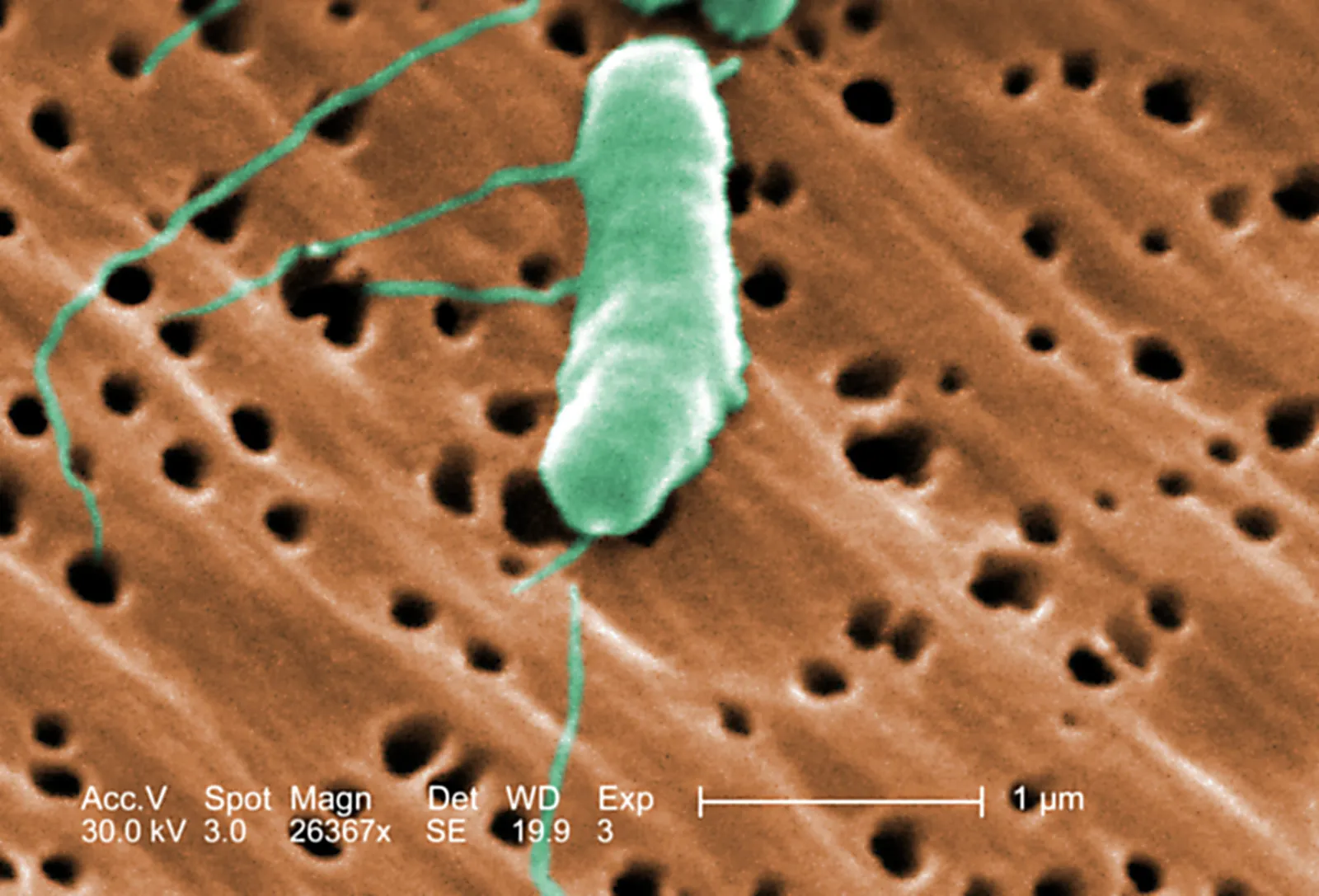
Vibrio vulnificus is a naturally occurring bacterium found in coastal waters, including salt and brackish water.
There are around a dozen kinds of Vibrio, which cause the human illness, vibriosis. The Centers for Disease Control and Prevention (CDC) estimates that there are 80,000 cases of vibriosis each year in the U.S., of which 52,000 cases are the result of eating contaminated food.
The most common species that cause human illness in the U.S. are Vibrio parahaemolyticus, Vibrio vulnificus, and Vibrio alginolyticus.
Thomas A. Russo, professor and chief, Division of Infectious Diseases, University of Buffalo, told Newsweek over email, "The range of Vibrio vulnificus is defined by warm, brackish, and coastal marine environments, with ongoing expansion into higher latitudes as global temperatures rise. This organism is most prevalent in regions with water temperatures above 20°C and moderate-to-high salinity."
"Cases have been rising as summers have grown warmer," Aileen Marty, professor of Infectious Diseases, Florida International University, told Newsweek, "The reason is that V. vulnificus is naturally found in warm, brackish coastal waters, especially in the Gulf Coast states (e.g., Florida, Texas, Louisiana, Alabama, Mississippi)."
Marty told Newsweek, "Symptoms often appear within 12–24 hours and include gastrointestinal distress, fever, blistering skin lesions, and potentially life-threatening sepsis or necrotizing fasciitis after wound exposure. Most severe cases occur in people with underlying health problems; mild or asymptomatic cases are likely underreported, as healthy individuals may experience few or no symptoms."
Russo also told Newsweek, "Entry of V. vulnificus into an open wound (pre-existing or acquired while in the water) is the most common means of acquisition. Eating raw seafood is another, especially raw oysters."
"Although healthy individuals can develop infection, which can be severe, individuals with chronic liver disease, hemochromatosis, diabetes mellitus, immunosuppression, and iron overload states are at higher risk for developing severe infection, which can be fatal," Russo said.
What People Are Saying
Thomas A. Russo, professor and chief, Division of Infectious Diseases, University of Buffalo, told Newsweek over email, "Infections can occur with the combination of environmental exposure and host-factors... If you have a wound, cut, or disruption of your skin for whatever reason (e.g. recent surgery, tattoos et al) stay out of the water (seawater or brackish water) or cover the wound if exposure cannot be avoided. If you get a cut or injury while in the water, get out asap and wash the area," Russo said.
Aileen Marty, professor of Infectious Diseases, Florida International University, told Newsweek over email, "The primary transmission routes are through the ingestion of raw or undercooked shellfish, especially oysters, or exposure to brackish water through wounds. Individuals at highest risk include those with chronic liver disease (such as hepatitis B or C), diabetes, immune suppression, alcohol use disorder, malignancy, renal disease, or iron overload conditions like hemochromatosis."
William Schaffner, MD, professor of Preventive Medicine, Department of Health Policy, told Newsweek over email, "The precautions are straightforward. Avoid going into the coastal water if you have broken skin. If you sustain an injury in the water, wash it off promptly and seek appropriate medical attention, particularly if the wound looks infected or the area becomes painful. Tell your provider of your water contact. Persons with chronic liver disease or who are immunocompromised should avoid eating raw oysters."
What's Next
Whether cases will rise this year remains to be seen.
View 0 Comments
Submit Correction
View Editorial & AI Guidelines