
Courtesy of Volvo

By Eileen Falkenberg-Hull
Senior Editor, Autos, Travel and Lifestyle
0
Share
Newsweek is a Trust Project member
See more of our trusted coverage when you search.Prefer Newsweek on Googleto see more of our trusted coverage when you search.
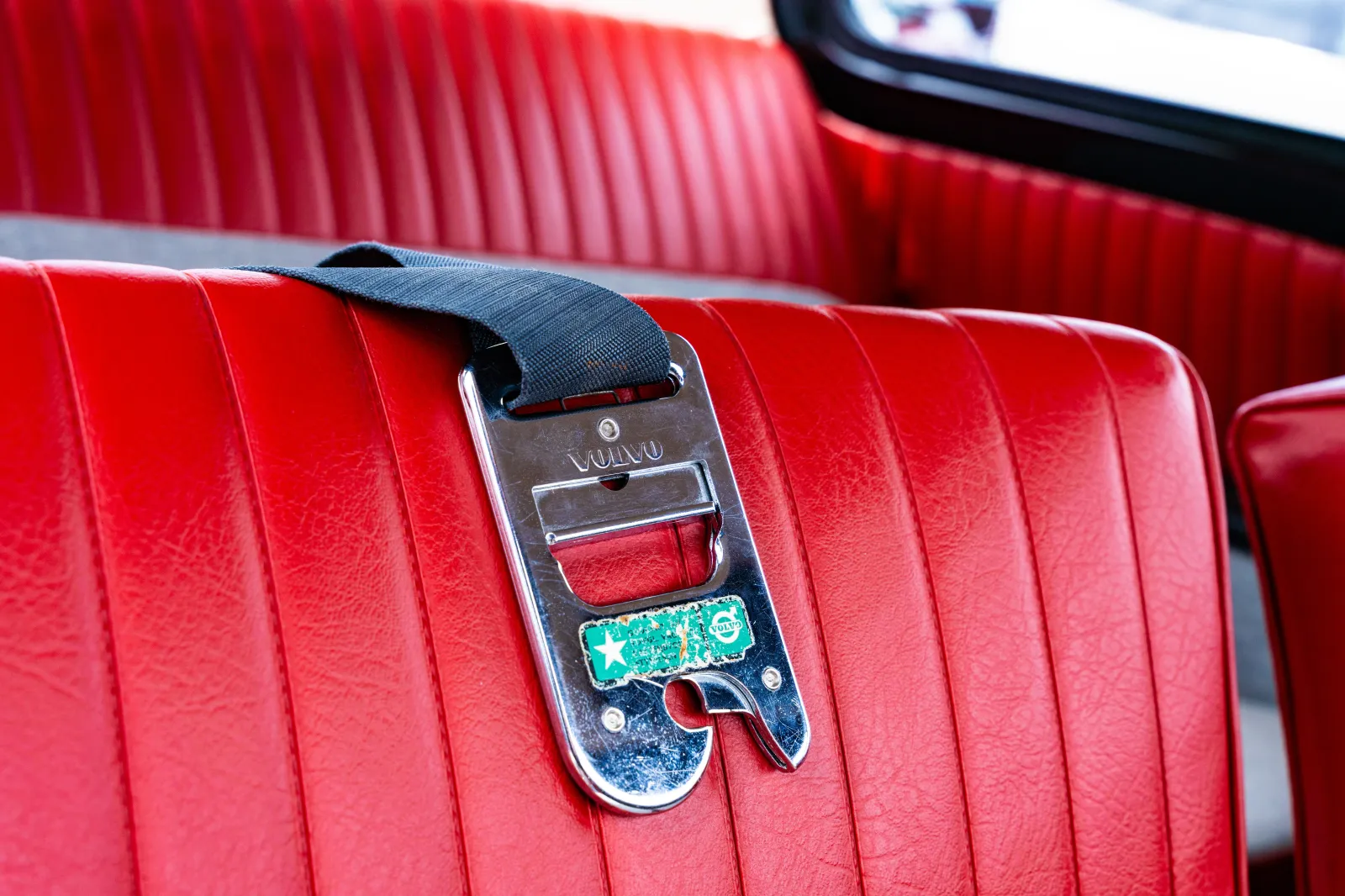
A host of innovations in materials, design and product have been brought to market in Volvo’s 99 years of existence, perhaps none more important than the three-point safety belt, which was created by engineer Nils Bohlin in 1959.
Instead of keeping the innovation as proprietary, Volvo opened the patent to the world, allowing automakers everywhere to copy the equipment.

Courtesy of Volvo
Read More on Autos
In the U.S. alone, nearly 375,000 lives were saved by seat belts from 1975 to 2017, according to the National Highway Traffic Safety Administration. Globally, it is estimated that millions have been saved.
A new, modern era of safety belt design starts this year when Volvo brings its EX60 to market. It’s connected, smart, capable and, perhaps most importantly, is likely to be adopted globally by other brands. The patent is co-owned by Volvo Cars and ZF, the seatbelt manufacturer. Volvo told Newsweek that it is “open to making the technology available to other carmakers in the future.”
Courtesy of Volvo
It is the promise of saving even more lives that has earned Volvo the distinction of earning Newsweek’s World’s Greatest Auto Disruptors Community Disruptor of the Year award.
“Volvo Cars’ new multi-adaptive safety belt is another innovation building on over five decades of our unique real world traffic accident research,” Asa Haglund, head of the Volvo Cars Safety Center, told Newsweek.
“Real-world crash data, including over 50,000 cars and involving over 80,000 people—men, women and children of different sizes—has always guided our safety developments. By continuously analyzing real crashes, real injuries and the diversity of real people, we’ve learned how different bodies and different scenarios demand different kinds of protection. Every crash is unique. To address this variability, our real-time adaptive restraints, providing varied safety belt restraining force, helps in the event of a crash for optimal protection.”
Courtesy of Volvo
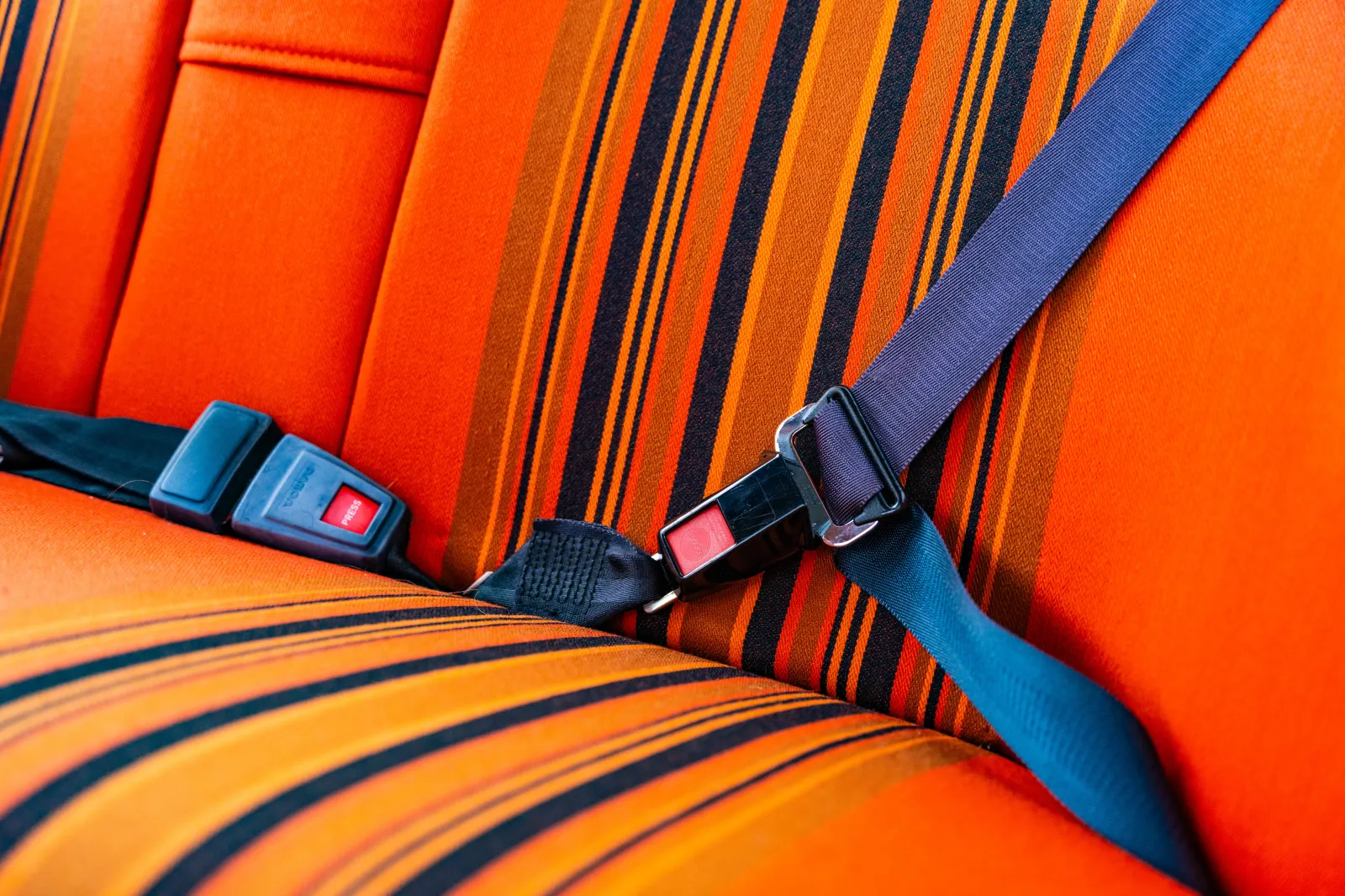
The new belt adapts to circumstances in real time. Most of today’s safety belts have automatic precollision tensioners, but none go as far as the new Volvo technology. More than a belt, it is a system comprising advanced sensing technologies for situational awareness, core computing for in-vehicle processing and a belt with a multi-stage load limiter.
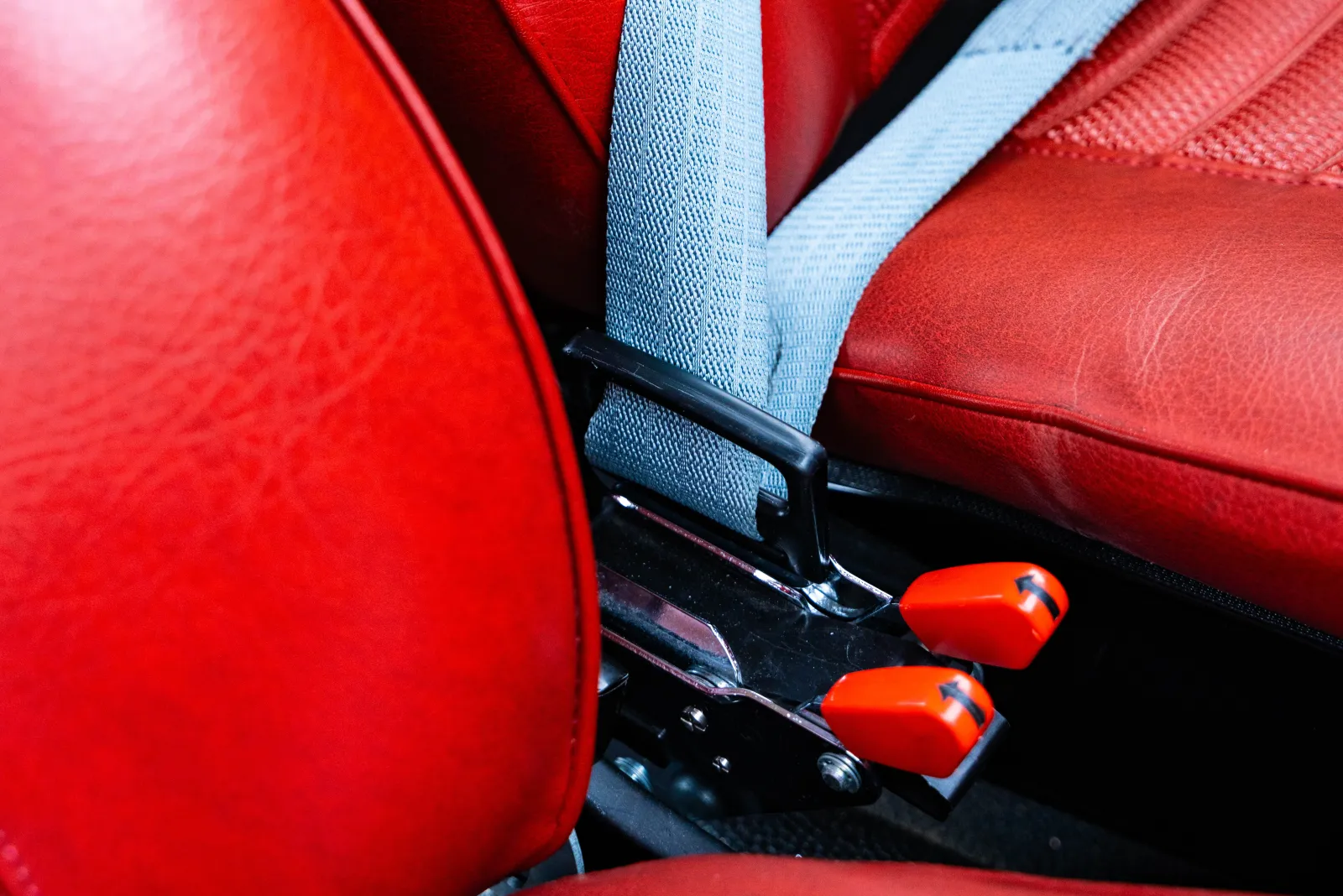
Haglund explained how it works: “Our new system can use data from both interior and exterior sensors to identify the situation occurring, whereby the safety belt force levels are set based on the situation at the moment of impact. In addition, instead of having only a few load limiting settings, we now have 11 profiles providing a large number of settings. That gives the belt far more nuance in how it restrains the body, whether that means a higher force level for a larger person in a severe crash to help reduce the risk of head injury, or a lower force level for a smaller occupant exposed to a lower severity crash, to help keep risk of rib fractures low. It still looks like an ordinary safety belt, but it’s much more adaptive and intelligent.”
Courtesy of Volvo
While the new belt is a large step forward, Volvo isn’t done innovating it or other parts of their vehicles. “We are proud of the advancements we’ve made, but our ambition is a future with zero collisions, and we’re not there yet. Evolving safety is essential, and electrification and software-defined vehicles open up new opportunities that pave the way for new safety solutions. As we push for innovation in electrification and software, we also make sure to take full advantage of the opportunities to enhance safety and improve people’s lives—not for the sake of technology, but because it’s the right thing to do,” Haglund said.
Read about all of Newsweek’s Greatest Auto Disruptors 2026 award winners:
Visionary, Executive, Marketing, Design, Technology, Sustainability, Powertrain, Community, Research & Development and Legacy of Disruption
How We Did It: To determine the candidates for this year’s World’s Greatest Auto Disruptors, Newsweek’s Autos team, led by Senior Autos Editor Eileen Falkenberg-Hull, compiled a list considering every major automaker in each of the award categories. Brands, teams and individuals were nominated based on their cumulative merits for the past year, after combing through each candidate’s accomplishments in the areas of future product planning, business strategy, technology, marketing, engineering, sustainability, manufacturing, community and research and development. To be considered, candidates had to be employing executive decision-making, corporate strategy, product development and publicity in a way that is driving fundamental, transformative change in the automotive market, with measurable real-world results—or have clear and demonstrable potential to do so. The Legacy award honors an individual who has achieved these results over decades in the industry. The list of nominees was narrowed by Autos editors. Winners were chosen after a consensus was reached amongst the Autos team and Newsweek top editors.
View 0 Comments
Submit Correction
View Editorial & AI Guidelines