10
Loading video...

By Anna Skinner
Associate News Editor
0
Share
Newsweek is a Trust Project member
See more of our trusted coverage when you search.Prefer Newsweek on Googleto see more of our trusted coverage when you search.
Millions in Florida were warned of sub-freezing temperatures on Monday as a new winter storm was predicted to sweep across the U.S. Southeast with a fresh wave of ice later this week.
Freeze warnings, cold weather advisories, or extreme cold warnings were in place across the entire U.S. South and Southeast on Monday following a major winter storm that pummeled the U.S. with heavy snow and sheets of ice over the weekend. Winter Storm Fern has killed at least nine people, and hundreds of thousands remain without power as extreme cold keeps power lines encased in ice.
Florida escaped the storm relatively unscathed save for a widespread batch of cold weather-related alerts from the National Weather Service (NWS), but a meteorologist from the Sunshine State warned that the coldest temperatures of the season were yet to come, with a new winter storm set to hit further north in the Caroli nas through the Northeast.
Read More on U.S.
...
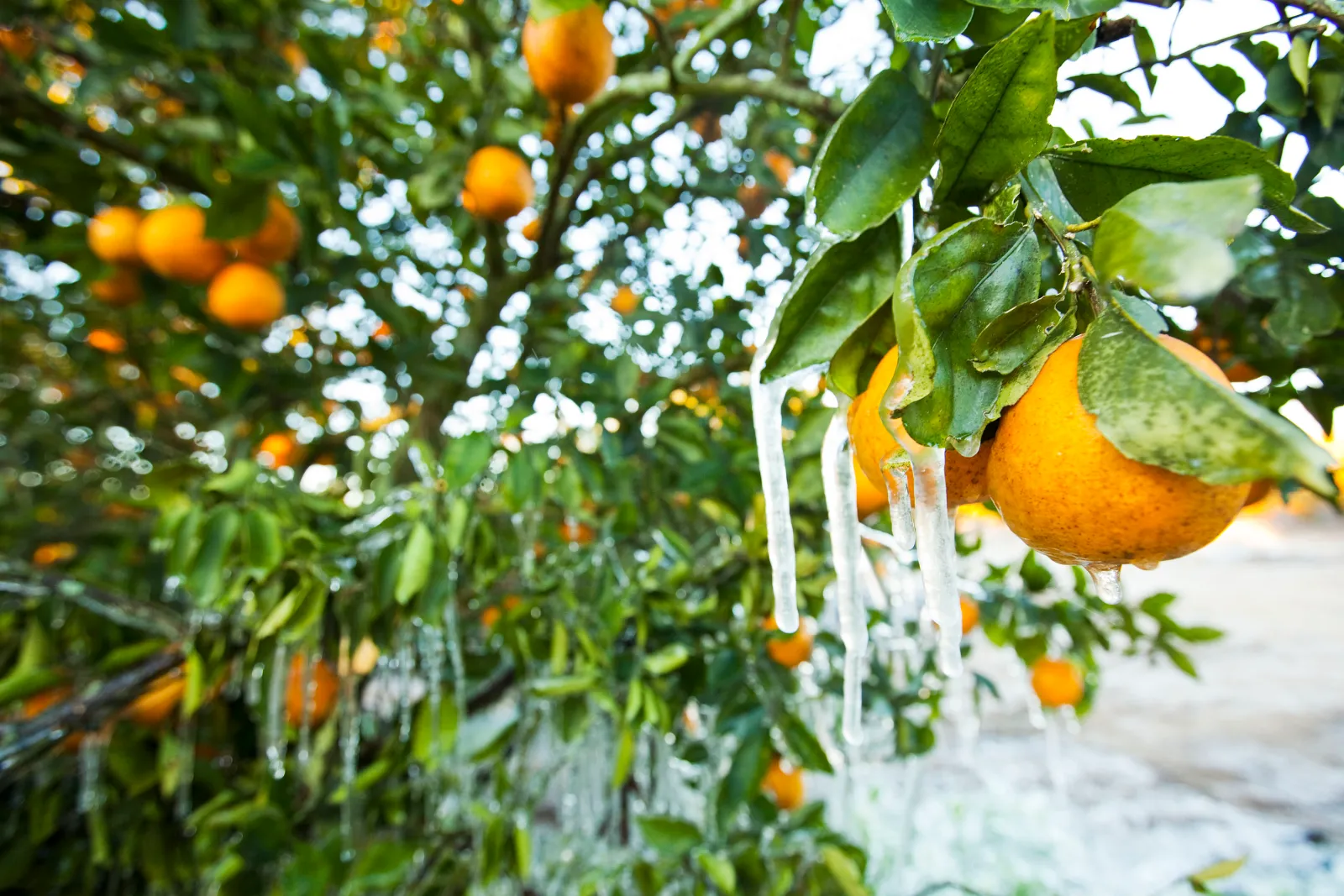
"The coldest air this Winter is coming this weekend. I expect a pipe-busting freeze across the South as lows plunge into the teens down to the north Gulf Coast and single digits inland, with freeze potential deep into South Florida," WSVN meteorologist Dylan Federico posted on X on Monday morning. "Citrus farmers in Florida need to begin preparing for multiple nights below freezing starting Saturday and continuing into early next week. I don’t see much winter storm potential for the South, but this could be a big blizzard for the Carolinas, Mid-Atlantic, and Northeast. Stay tuned!"
Included in Federico's social media post was a screenshot of daily temperature anomalies from the European Centre for Medium-Range Weather Forecasts (ECMWF) model. All of Florida, as well as the eastern two-thirds of the U.S. was trending below normal. Temperatures in Florida are expected to be around 16 degrees below average for this time of year, according to the model.
Should the forecast come to fruition, it will be an extended period of below average temperatures for Florida. On Monday, NWS warnings issued across the state highlighted a "much colder air mass" that will sweep into the Sunshine State, with freezing temperatures expected as far south as Fort Myers. Moreover, gusty winds will make the feels-like temperature drop even lower.
Most cold weather-related alerts are set to expire by Tuesday morning. However, more could be issued later this week, given the ECMWF model.
New ice storm could hit this weekend
The coming weekend will bring a new ice storm threat across the U.S. Southeast.
AccuWeather published a forecast on Sunday showing that the potential for ice or snow could hit the South through the Mid-Atlantic, stretching from southeastern Louisiana up through Delaware. Florida looks as though it will escape the impacts of this storm as well, save for a rain and thunderstorm threat.
Since the storm is still nearly a week away, AccuWeather senior meteorologist Tom Kines told Newsweek its impact remains unclear. It's possible the storm could stay far enough off the coast so as not to hit the U.S., he said. If it does arrive, the worst impacts will likely be experienced in Georgia north through the Carolinas.
When will temperatures return to normal?
Looking even further ahead, it appears that temperatures will remain below average across the eastern half of the U.S. for the foreseeable future. The NWS Climate Prediction Center temperature outlooks show a high chance for below-average temperatures from Florida through Delaware, with a moderate chance stretching further west through Texas between January 31 and February 4.
When it comes to the eight- to 14-day temperature outlook, below-average temperatures are still expected, though with a slightly lower chance, across the same region.
View 0 Comments
Submit Correction
View Editorial & AI Guidelines