
...

By Hollie Silverman
News Editor
0
Share
Newsweek is a Trust Project member
See more of our trusted coverage when you search.Prefer Newsweek on Googleto see more of our trusted coverage when you search.
Communities in western Washington faced widespread flooding, evacuations, and record-breaking river surges this week as an intense atmospheric river system drenched the region.
Days of non-stop rain have caused rivers to swell and damage levees, and roads to buckle as water levels rise and create dangerous landslides and floods across The Evergreen State.
The National Weather Service (NWS) Weather Prediction Center (WPC) warned another such system is forecast to arrive later this month as recovery efforts remain underway, posing new risks for already soaked landscapes and displaced residents.
Read More on News
...
Why It Matters
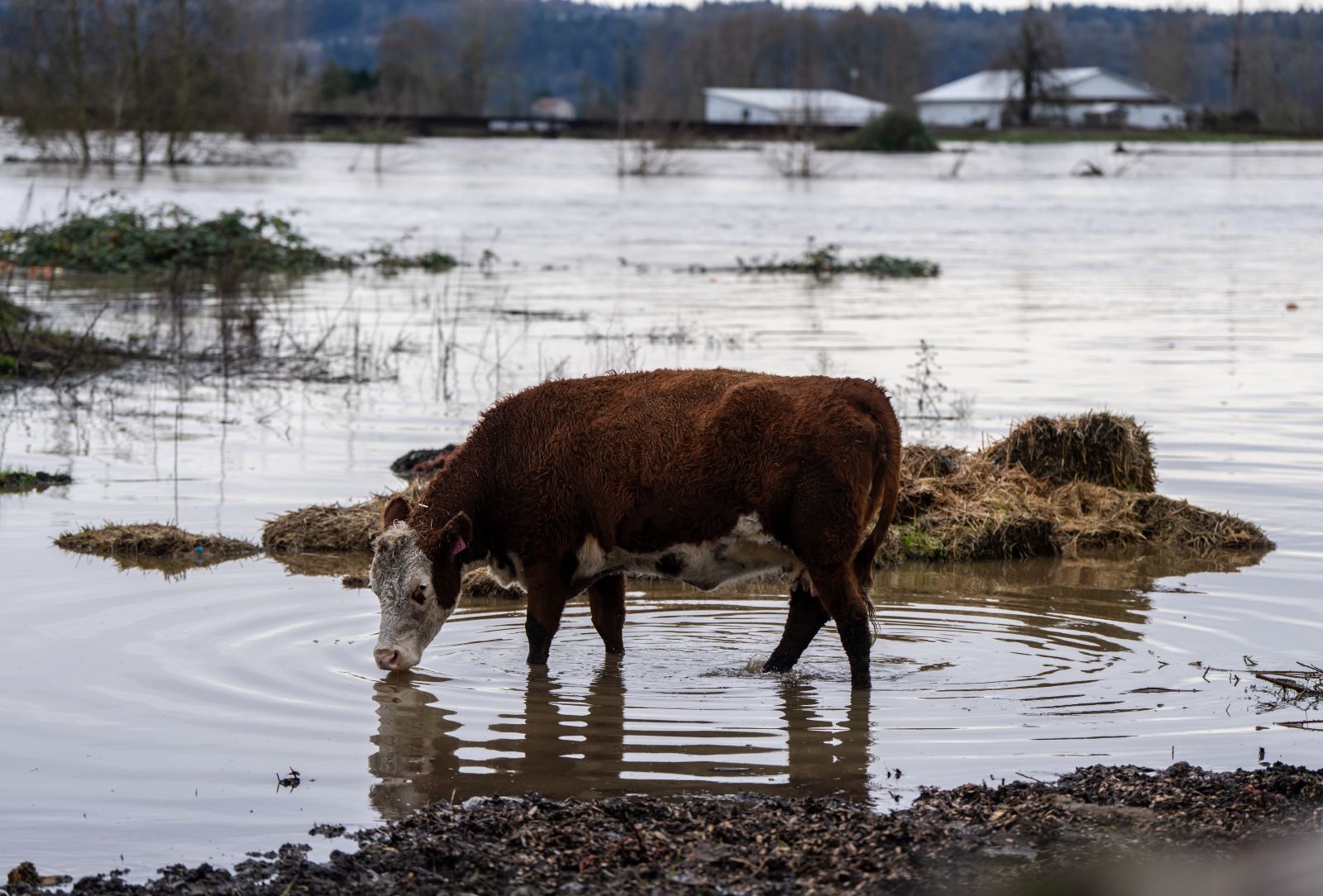
The historic rainfall brought by the recent atmospheric river events has led to the flooding of at least four major rivers, tens of thousands of evacuations, and dramatic rescues across the western part of the state.
The rainfall totals pushed the Skagit and Snohomish rivers to record or near-record crests, threatening infrastructure, closing major highways, and causing substantial property and agricultural damage.
With another atmospheric river expected, the region faces compounding risks, especially as soaked ground increases danger of landslides and hinders recovery.
...
What To Know
This week’s storms unleashed nearly 5 trillion gallons of rain over seven days, triggering what meteorologists and officials have described as historic flooding.
The Skagit and Snohomish rivers, in particular, broke records, according to the NWS, which warned of “locally catastrophic” river flooding.
Mountainous areas, including those near Mount Rainier and Auburn, accumulated more than 20 inches of rain within a single week, the Associated Press reported.
The NWS issued a warning for a new atmospheric river system forecast for late Sunday into Monday.
While this next event is expected to be less intense, it raises the risk of renewed flooding as rivers remain swollen and ground conditions saturated. Additional storms are projected for later in the week, sustaining the threat of elevated river levels and landslides
Evacuations and Rescues
Major evacuations took place across multiple counties, including in Skagit, Snohomish, and Whatcom where National Guard units assisted local authorities in escorting thousands to safety.
Early Friday, Burlington saw a flash evacuation order affecting about 1,000 people due to sudden overnight flooding. The Coast Guard and local agencies conducted dozens of water rescues in communities such as Sumas and Chehalis, deploying boats and helicopters to retrieve people from flooded homes, treetops, and vehicles.
The remote town of Stehekin was cut off by debris slides and floodwaters, prompting emergency supply deliveries and long-term concerns for restoration. In King County, dramatic rescues included airlifts from dangerous locations, as authorities responded to dozens of urgent calls for help.

...
Road damage and closures were widespread, with more than 20 highways, including nearly 50 miles of US-2 between Skykomish and Leavenworth, shut due to washouts, flooding, and slides, The Seattle Times reported.
Power and water services suffered ongoing outages in several affected communities. The city of Leavenworth canceled its major holiday festival and ski resorts around the region remained closed or inaccessible as conditions worsened.
President Donald Trump granted an emergency declaration for the state, unlocking federal resources and funding to support disaster response and recovery.
This includes FEMA support covering 75 percent of eligible costs from the beginning of the storm period. Relief organizations, including the American Red Cross, World Central Kitchen, and local nonprofits, mobilized to distribute supplies, shelter, and food to displaced residents.
What People Are Saying
Washington Governor Bob Ferguson said during a Friday press conference: “The situation is truly historic. Rivers like the Skagit River and Cedar Rivers [are] literally experiencing historic levels of flooding. This is something that the people of the state of Washington have not faced before, this level of flooding.”
Meteorologist Ryan Maue told the AP on Friday: "The atmospheric rivers, the ARs, are continually reloading...The amount of rainfall in the three-week period could be, you know, 20 to 30 inches (51 to 76 centimeters). That’s quite extreme. I wouldn’t want to live there. Not right now.”
General Gent Welsh, adjutant general of the Washington National Guard said on Friday: "It's going to be days, in some cases weeks, before those rivers are at a level that it's comfortable and safe for everybody to get back in there...So if you’re an area, you’ve been displaced, you have my deepest sympathies and empathy going into this holiday season. But this is a long haul.”
What Happens Next?
Cleanup and recovery operations will proceed slowly, with many evacuees unable to return home for days or weeks.
State and federal agencies continue to coordinate emergency relief, monitor river levels, and prepare for further potential weather developments.
View 0 Comments
Submit Correction
View Editorial & AI Guidelines