...

By Jordan King
Reporter
0
Share
Newsweek is a Trust Project member
See more of our trusted coverage when you search.Prefer Newsweek on Googleto see more of our trusted coverage when you search.
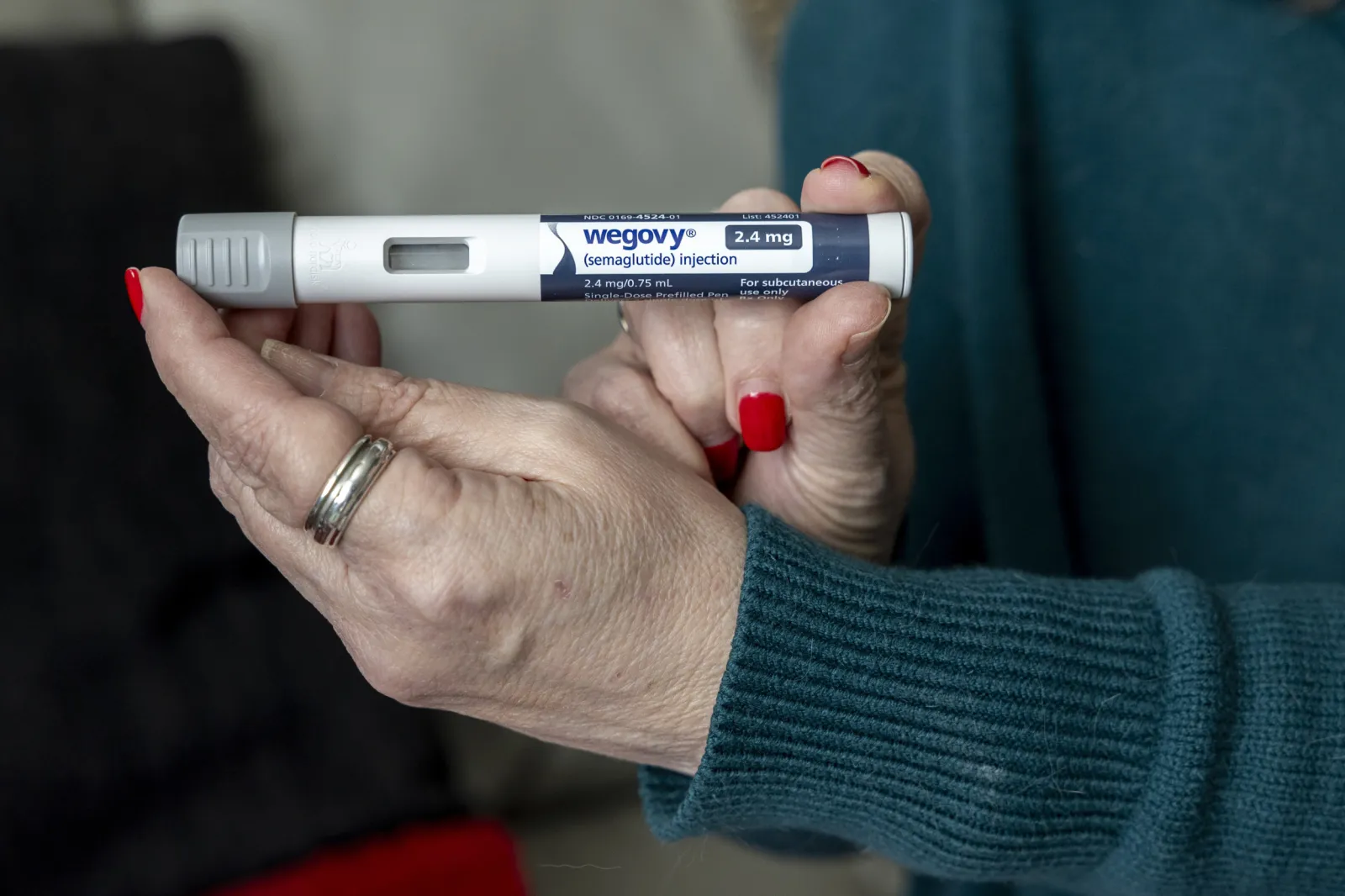
Thousands of people in Michigan who use popular weight loss drugs will soon lose their coverage for it.
Blue Cross Blue Shield of Michigan, the state's largest health insurer, announced it would end its funding for GLP-1 obesity drugs starting from January 1 next year.
This move will affect close to 10,000 people on these medications, according to Bloomberg.
Read More
Ozempic Poll Reveals How Many Americans Are on Weight-Loss Drugs3 min read

Weight Loss Drug Works ‘For up to Four Years’, Study Suggests4 min read

Medicare Could Save $500 Million With Coverage Change3 min read

A spokesperson for Blue Cross told Newsweek the decision came after "careful consideration of GLP-1 weight loss drugs' efficacy, safety and access, and cost."
They did not expand on what these concerns were, but research published by the insurer in May found that "most people are unlikely to see lasting benefits" from weight-loss medication.
...
This is because "58 percent of patients discontinue use before reaching a clinically meaningful health benefit," the research carried out by the Blue Cross Blue Shield Association (BCBSA) and conducted by Blue Health Intelligence concluded.
Vice President of Clinical Affairs at BCBSA Razia Hashmi said: "When patients take medication, we want it to be safe and effective. Unfortunately, weight loss isn't as simple as filling a prescription."
Blue Cross also changed its requirements for coverage of Saxenda, Wegovy and Zepbound from August 1 this year.
People who want the drug will have to see a prescriber in person, rather than online or over the phone, and will have to have a body mass index of 35 or higher.
Children will also no longer be able to get the drug, with the new rules making it only available to adults.
Novo Nordisk A/S, the Danish company which supplies Wegovy, told Newsweek it is "disappointed" in the move, "as it is contrary to actions that many throughout our country are taking – which is to expand coverage for these important medicines."
Newsweek has contacted Eli Lilly & Co., which supplies Zepbound, via email for any response.
Whether insurers cover weight loss medications sometimes depends on the company, an individuals coverage and the circumstances.
Healthinsurance.org tells people who are looking at different plans: "It's common for these drugs to be covered if they're prescribed for another medical condition, such as diabetes, but not if they're being used specifically for weight loss."
Medicare, the government health insurance program, does not generally cover weight-loss medications, but there can be some exceptions.
These are usually for people who have serious health conditions like diabetes or who are at cardiovascular risk.
Blue Cross' full statement said: "Blue Cross Blue Shield of Michigan is committed to providing our members with access to high-quality, affordable health care.
"We also have a responsibility, as stewards of our members' and customers' premiums, to ensure that the drugs we pay for benefit our members without adding excessive costs that impact all members and customer groups.
"Blue Cross and Blue Care Network are changing prior authorization requirements for coverage of Saxenda, Wegovy and Zepbound, beginning August 1, 2024, for our large group fully insured segment.
"Additionally, Blue Cross will end coverage of GLP-1 drugs for weight loss for large group fully insured members beginning January 1, 2025, or on a group's 2025 health coverage renewal date. Blue Cross made these changes after careful consideration of GLP-1 weight loss drugs' efficacy, safety and access, and cost."
View 0 Comments
Submit Correction
View Editorial & AI Guidelines