10
Loading video...

By Hugh Cameron
Reporter
0
Share
Newsweek is a Trust Project member
See more of our trusted coverage when you search.Prefer Newsweek on Googleto see more of our trusted coverage when you search.
Few dishes have become so synonymous with the United States’ way of life as the classic American hamburger.
As well as being President Donald Trump’s dish of choice, the magazine Food & Wine recently put the burger—more specifically In-N-Out’s Double Double—at the top of its list of American delicacies World Cup fans were urged to try when visiting the country.
An online tracker from the food-tech firm Toast finds that the median price of a burger in U.S. restaurants in July rose to $14.72, up only modestly compared to overall inflation but nevertheless more than double the federal minimum wage of $7.25.
Read More on U.S.
And the price of its components continues to climb—particularly for beef—drawing significant attention from members of Congress and the administration as Democrats and Republicans attempt to position themselves as the champions of affordability ahead of November's midterm election.
For an overview of the American economy—the challenges facing its consumers, producers and powers that be—one simply needs to look to the burger.
Bakery Products (up 2.4 percent)
While prices for white bread and certain other categories tracked by the Department of Labor (DOL) have climbed at a faster pace, the general bakery products index, which encompasses bread, has risen more slowly than headline inflation (3.4 percent) over the 12-month period ending in July
But costs have increased by around 30 percent over the past five years, even as prices for the primary ingredient—wheat—plummeted after the initial months of Russia's invasion of Ukraine in 2022. In 2024, TIME reported that bread prices spiked alongside wheat, and that many bakeries used this as an opportunity to catch up on years of rising labor, transportation, and energy costs.
The price of bread, like most products, is made up of more than its ingredients, and the industry has expressed concerns about input inflation as well as trucker and labor shortages. By 2030, the American Bakers Association projects that the sector will be battling a “staggering 53,500 unfilled jobs.”
Fold in delivery costs for this especially perishable good. Gas at the pump still costs around 40 percent more than before the launch of the Iran war in February.
Beef (up 9.4 percent)
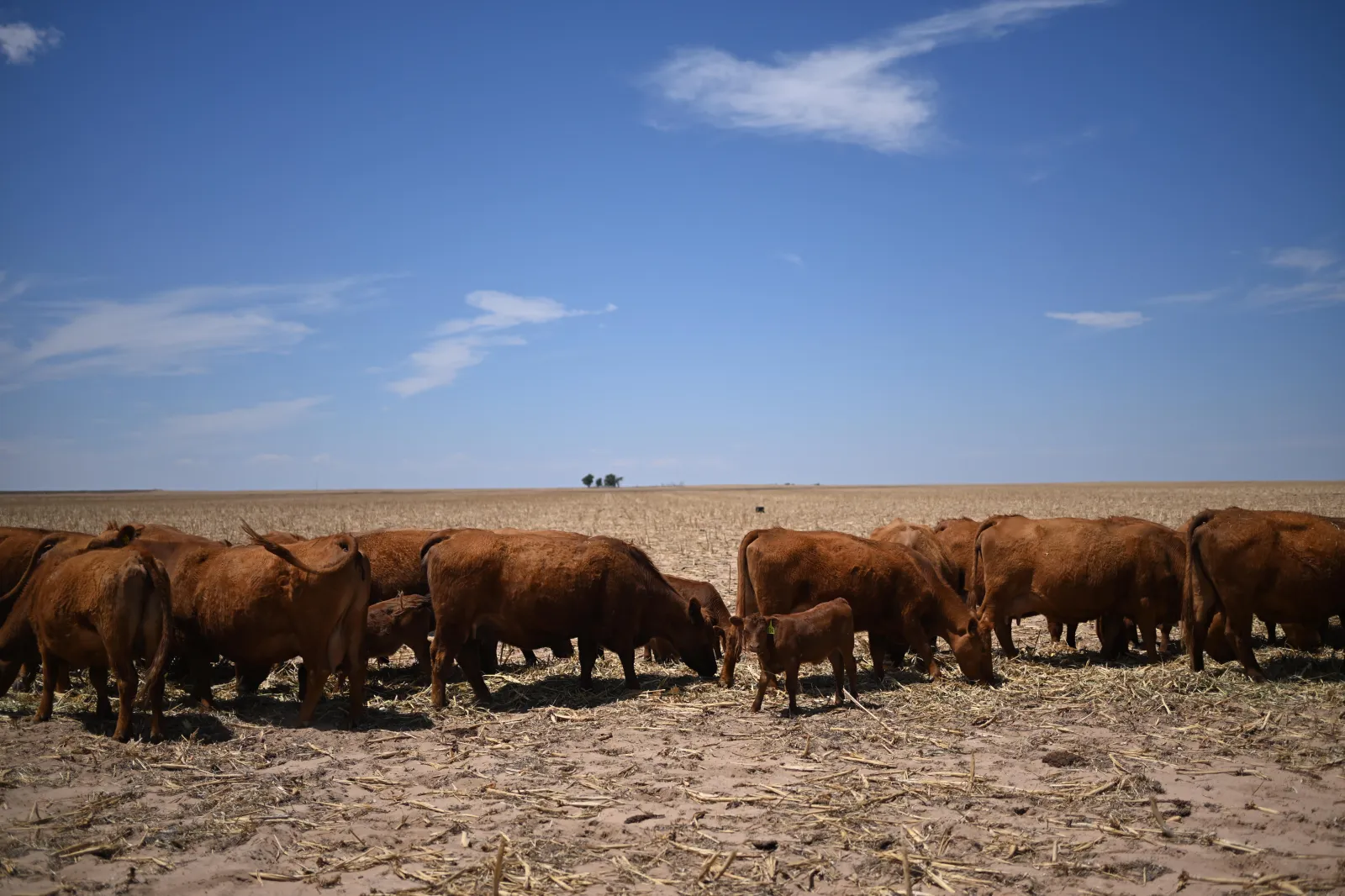
Years of drought and rising production costs have strained American ranchers and driven the U.S. cattle herd to its smallest size since the early 1950s. These issues have been exacerbated by screwworm outbreaks, trade restrictions and minimal signs of progress in rebuilding the herd—pushing beef prices to an all-time high.
The issue has come to a head during grilling season, and the administration has been weighing means of offering relief to consumers without upsetting ranchers and voters in farming states. On August 21, Trump said the U.S. would temporarily allow imports of up to 300,000 metric tons of foreign beef tariff-free to “substantially” lower grocery costs.

...
The plan drew immediate pushback from farmers and certain GOP lawmakers—one rancher recently told Newsweek this "in-your-face betrayal" could lead to a further wave of farm bankruptcies. Agricultural experts also questioned where the U.S. could source this beef and how the administration could force retailers, as Trump pledged, to sell this at “25 percent below current market prices.”
And while Trump continues to blame them for contributing to high prices, the country’s “big four” meatpackers are not faring much better. In June, JBS USA announced it would be shutting down two facilities, impacting around 2,000 jobs. And Tyson Foods, the country’s largest processor, said it would also be shuttering plants as it battles excess capacity and margin pressure from “one of the most historic cattle shortages the country has ever experienced.”
Related Story
Republicans Have Beef With Donald Trump’s New Import Plan
Cheese (down 4.2 percent)
Near-record cheese output has benefitted from abundant dairy production, with prices moderating in kind despite exports also reaching an all-time high in recent years. The country is making more cheese than ever before, and exports have tripled since 2010 to 612,000 metric tons last year, according to the U.S. Export Dairy Council.
The dairy-processing industry is investing upwards of $11 billion to boost manufacturing capacity across 19 states through 2028 to maintain this momentum, $3.2 billion of which is being devoted to cheese.
However, the U.S. is currently voicing its opposition to an agreement between Mexico—a billion-dollar market for the dairy sector—and the European Union. The deal would grant legal protections to regional product names like parmesan and Manchego, though Washington considers these generic and says this agreement will hurt its producers.
The issue has become a hurdle for the two North American nations as they review the terms of the U.S.-Mexico-Canada (USMCA) free trade agreement.
Lettuce (up 7.5 percent)
Fresh vegetable prices have risen 6.3 percent over the past 12 months, DOL data shows, but lettuce has been among the most volatile items within this category.
Weather patterns and supply problems caused prices to spike in the first half of 2026, and food-safety concerns are now threatening to destroy demand.
Last week, the Food and Drug Administration (FDA) announced that the ongoing cyclospora outbreak—linked to recalled iceberg lettuce—has now been detected in an additional three states. The number of confirmed cases of cyclosporiasis has risen to over 11,000 across 20 states, with two deaths also reported, and consumer concern appears to be playing out at the grocery store.
According to a recent poll from Numerator, fresh salad purchases fell by 10.7 percent between June and July, with 6.5 million households foregoing pre-bagged salads after outbreak began.
And in late July, Taco Bell reported a “meaningful” impact as a result of the outbreak. The FDA suggested a connection between the chain and cases of cyclosporiasis, after which Taco Bell swiftly removed all potentially affected lettuce from its restaurants.
Prices dropped by 16.4 percent as a result of plummeting demand, according to the latest inflation report.
Related Story

Cyclospora Lettuce Update: FDA Issues Strongest Warning, Adds 3 More States
Tomatoes (up 12.8 percent)
Around 70 percent of the tomatoes consumed in the U.S. are grown abroad, according to figures from the Department of Agriculture (USDA).
Last year, the U.S. imposed a 17 percent anti-dumping tariff on fresh tomato imports from Mexico—which accounts for 90 percent of its overall imports—a move some businesses at the time warned could push up prices in the U.S.
Growing regions, such as Mexico, have also been hit with droughts, storms and all-round adverse weather. And USDA forecasted in a report in June that tomato production and supply will “continue the downward trend that began in 2023.”
A Very American Burger
All told, the standard American burger served as a comprehensive snapshot of the U.S. economy and its current themes: Tension between consumer and producer, as well as between domestic and foreign suppliers; labor shortages and job losses; and gray clouds of trade uncertainty hanging over it all.
An analysis of the cost of burgers in 2026 featured in the latest edition of Newsweek’s Accountable Newsletter. Sign up here to follow the money with Hugh Cameron each week, from the fiscal debates dominating Washington to the real-world impact on your wallet.
Contact Newsweek editors for this story: John Fitzpatrick and Anthony Murray.
View 0 Comments
Submit Correction
View Editorial & AI Guidelines