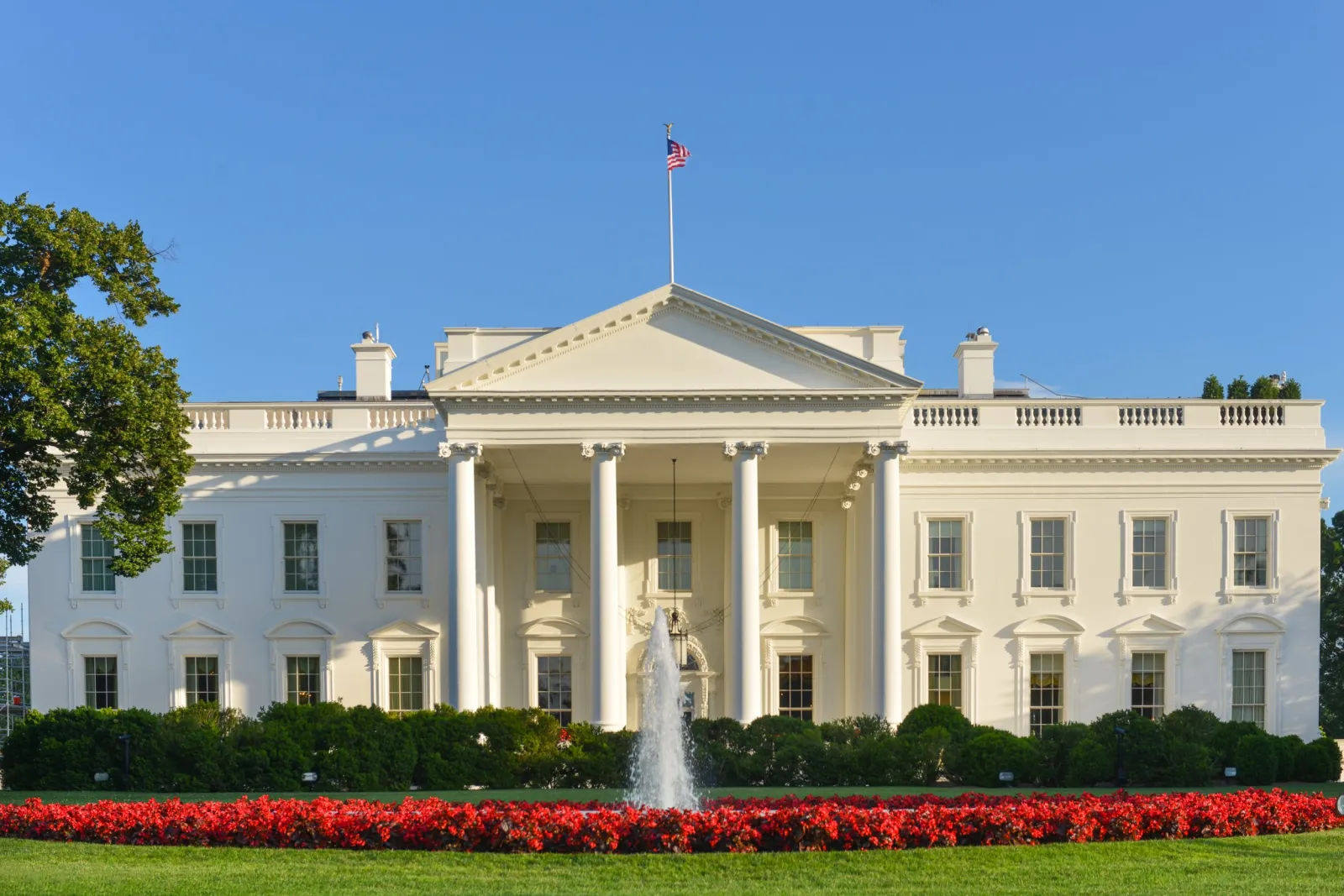
Shutterstock/shutterstock_143468275

By Newsweek Special Edition
0
Share
Newsweek is a Trust Project member
See more of our trusted coverage when you search.Prefer Newsweek on Googleto see more of our trusted coverage when you search.
The White House hasn't changed much since it was built. But a close look betrays more than two centuries at the center of American history. The White House has been burned down, acted as a barracks, and played host to the most powerful people in the world and some of the most oppressed. It is more than the president's house—it is a 132-room talisman for the American dream. Below, Newsweek takes you through the house's changes through the years. This article is excerpted from Newsweek's Special Issue, Celebrating the White House, An Illustrated History of the House that Shaped America, by Issue Editor, Tim Baker.
The Truman Balcony
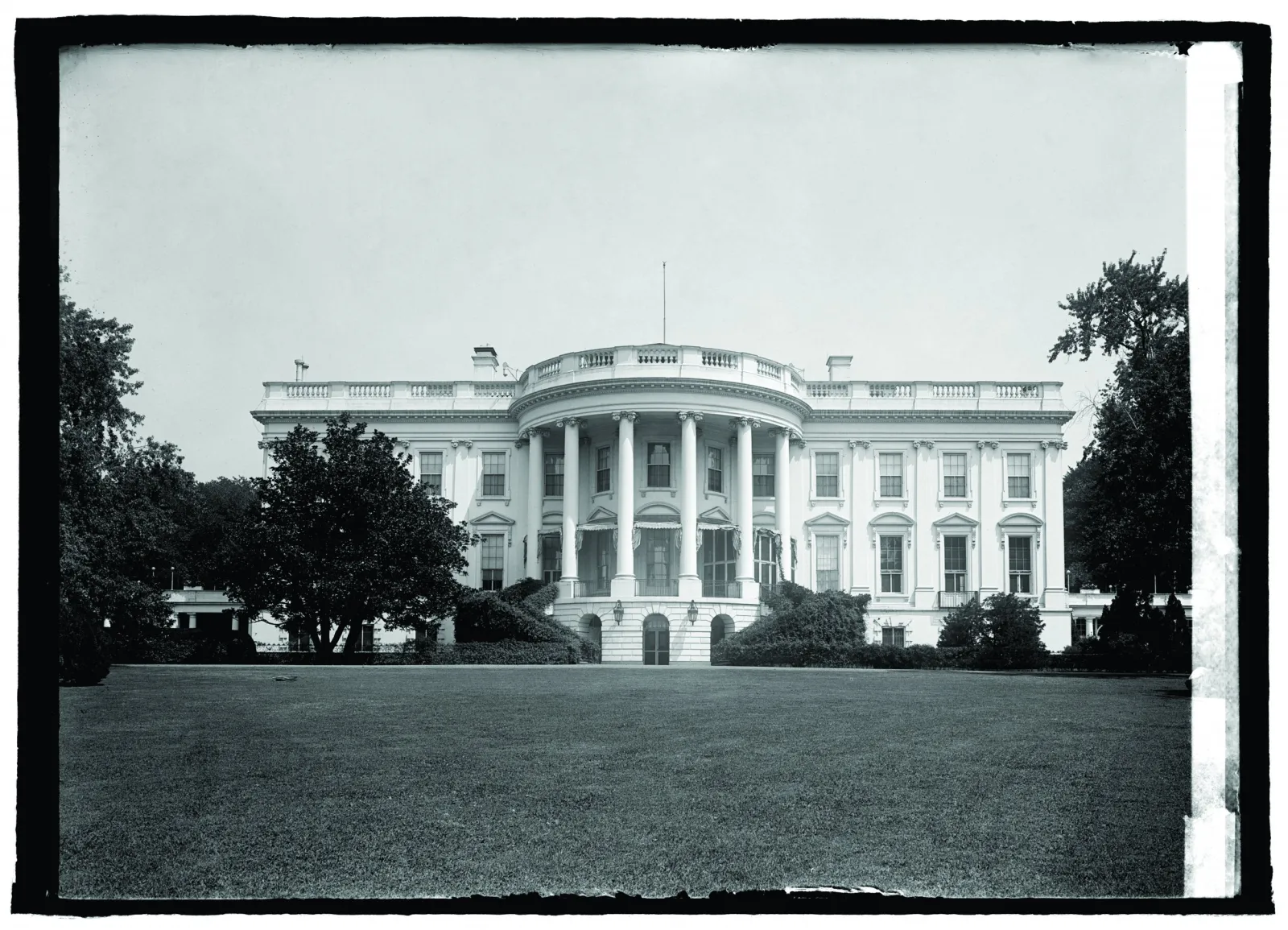
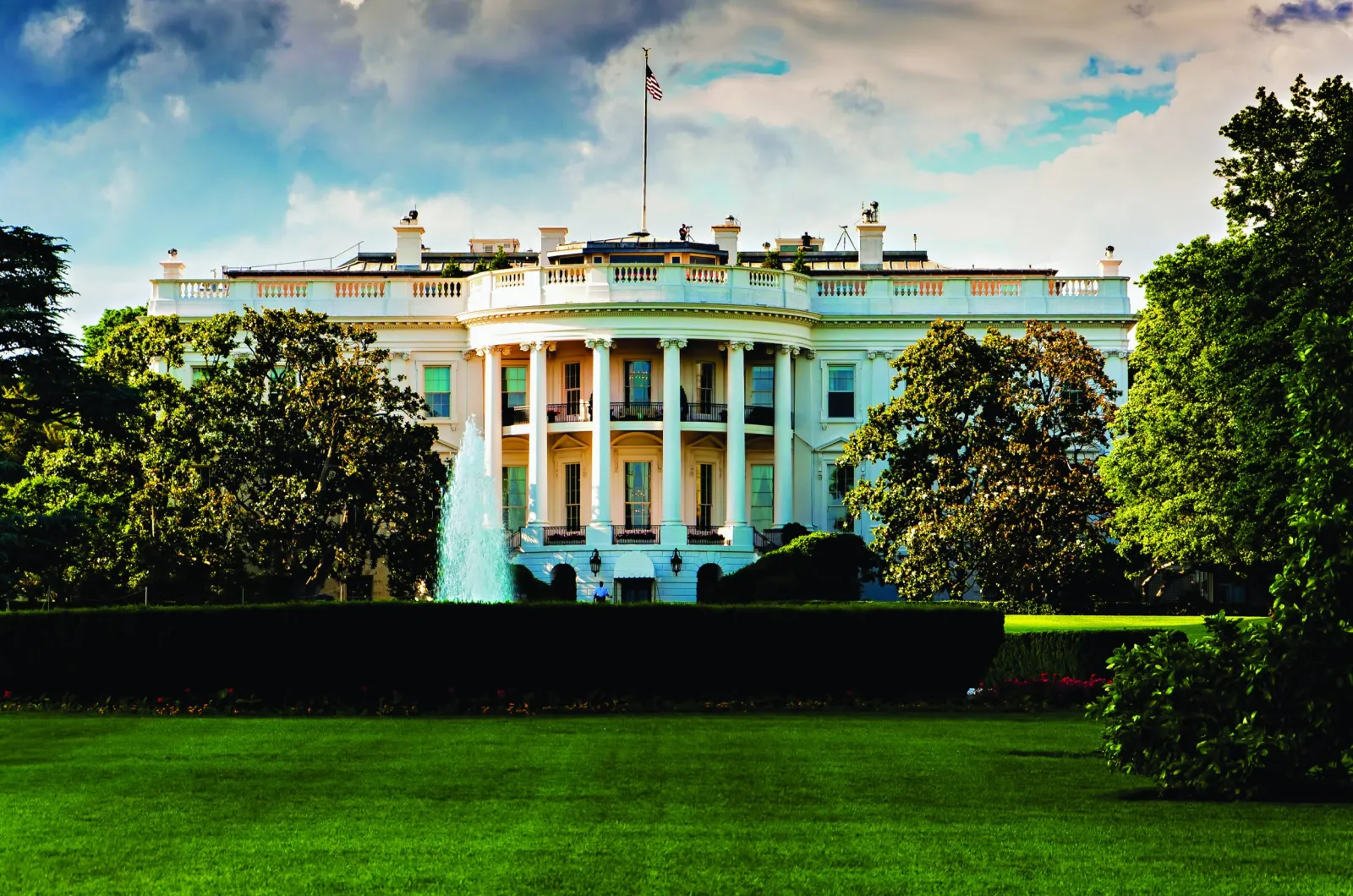
In the summer of 1923, the White House was two decades removed from the Roosevelt renovation and stood as a stately relic of the turn of the century. Facing the South Lawn, elaborate awnings shaded the portico. During the Truman renovation, the president added a horseshoe-shaped balcony to the second floor, giving the south face of the Presidential Mansion its modern facade and giving the first family a new place to get fresh air at the residence. Pictured below is an image before the Truman Balcony was added, then a photo of how the White House looks today, balcony and all.
Read More on U.S.
...
...
The State Dining Room
Today's State Dining Room occupies the high-ceilinged room used by Thomas Jefferson as his dual-fireplaced private office. After his administration ended, the room was used by James and Dolley Madison as an art gallery and informal dining area. Before the British burned down the White House in 1814, Gilbert Stuart's portrait of George Washington hung on the walls. Pictured below is the State Dining Room in July 1952 during the final year of the Truman administration, followed by an image of the State Dining Room after a 2015 renovation.

...

...
The Red Room
Originally, the Red Room was designed as an "antechamber" for the president's library and cabinet rooms, but it was turned into a salon by Dolley Madison and achieved fame in that role. Since Mrs. Madison turned the room into a forum for entertaining, the Red Room has been used by first families to host small parties. In 1877, President-elect Rutherford B. Hayes was sworn into office in the Red Room as President Ulysses Grant looked on—he had sneaked away from a dinner party in the next room to witness the event. Five years later, Chester A. Arthur commissioned Louis Tiffany to redecorate the room. Pictured below is the Red Room in 1904 after the Roosevelt renovation, then again in 2003.

...

...
The Cabniet Room
One of the most important parts of the 1902 West Wing addition under the administration of Theodore Roosevelt was the Cabinet Room. Today, as in 1902, the large conference room serves as the most important meeting place for the president and his closest advisors, as well as with heads of state and their diplomatic corps.
Pictured below is the Cabinet of Harry S. Truman meeting in February 1949 in the Cabinet Room, then the cabinet of President Barack Obama in November 2009.

...

...
The Blue Room
With its central location and wide views of the South Lawn, the Blue Room is an ideal setting for presidential reception of guests. Just under 40 feet by 30 feet, the room's spacious interior has hosted kings and queens, national heroes and American treasures for centuries. Pictured below is the Blue Room during the final full year of Harry Truman's presidency in 1952, then after Truman's significant renovations. Finally, President Obama and Prime Minister Manmohan Singh of India chat in the Blue Room in November 2009.

...

...

...
This article was excerpted from Newsweek's Special Edition, Celebrating the White House, An Illustrated History of the House that Shaped America, by Issue Editor, Tim Baker. For more about the White House, pick up a copy today.

...
View 0 Comments
Submit Correction
View Editorial & AI Guidelines