
By Tahar Rajab
News and Features Journalist
0
Share
Newsweek is a Trust Project member
See more of our trusted coverage when you search.Prefer Newsweek on Googleto see more of our trusted coverage when you search.
An American tourist is facing serious consequences after reportedly attempting to contact one of the world's most isolated and uncontacted tribes—the Sentinelese of India's Andaman Islands. The 46-year-old man, identified as Mykhailo Viktorovych Polyakov, was arrested last week after allegedly trying to give Coca-Cola to the tribe in defiance of Indian law.
Who Are the Sentinelese?
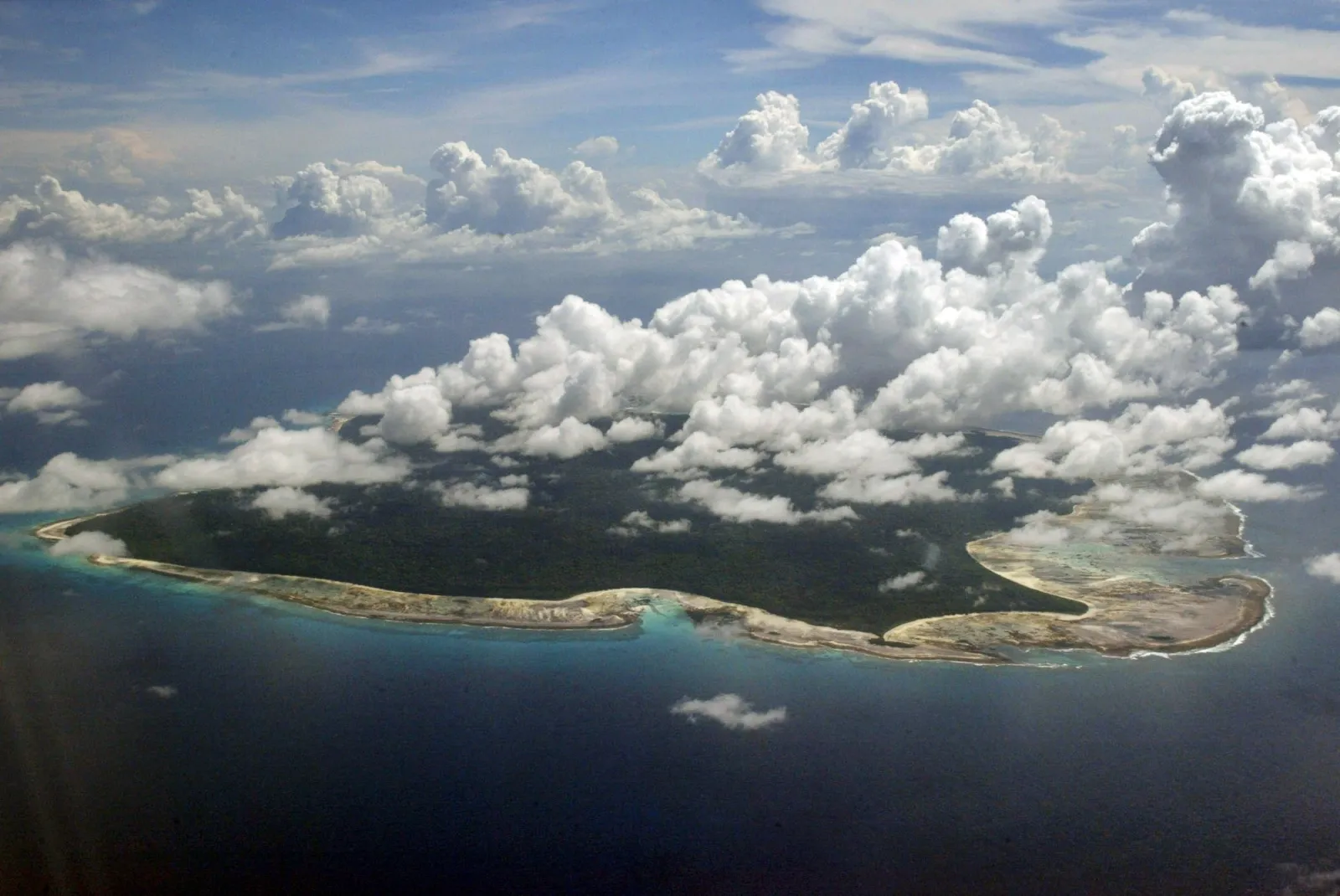
The Sentinelese are an Indigenous tribe inhabiting North Sentinel Island in the Bay of Bengal. Known for their complete rejection of outside contact, they are considered one of the last uncontacted peoples on Earth. Believed to have lived in isolation for thousands of years, the tribe has fiercely protected its independence, often meeting outsiders with hostility. They speak an unclassified language, and very little is known about their culture or traditions, largely due to the Indian government's strict protection measures.
Read More on News
Where Are the Sentinelese Based?
North Sentinel Island lies to the west of Port Blair, the capital of India's Andaman and Nicobar Islands. While it is officially part of Indian territory, the island is strictly off-limits to outsiders. The Indian government enforces a 5-kilometer exclusion zone around the island, and the surrounding waters are patrolled to protect the Indigenous Sentinelese tribe and prevent outside contact or influence.
...
Who Is American Tourist Mykhailo Viktorovych Polyakov?
Mykhailo Viktorovych Polyakov is a 24-year-old Ukrainian-American YouTuber known for documenting risky adventures. His YouTube channel includes a six-part series filmed in Taliban-controlled Afghanistan, where he's seen handling weapons and exploring military sites. He describes himself as a "thrill-seeker" and has a history of entering dangerous or restricted areas for content.
Polyakov arrived in India in February, and police say he had visited the country twice in October last year with plans to sail to North Sentinel Island using an "inflatable kayak" but was stopped by hotel staff.
In January, he was also accused of illegally filming the protected Jarawa tribe.
He allegedly used a grey Gemini inflatable boat to sail across a 25-mile stretch from Kurma Dera Beach to North Sentinel Island on March 29.
Why Did Polyakov Visit the Sentinelese Tribe?
Indian police have stated that Polyakov's motivations remain unclear. He allegedly told investigators he wanted to "meet and gift" items to the Sentinelese people. His case echoes earlier incidents where outsiders, often motivated by curiosity or missionary zeal, have tried to approach the island despite legal prohibitions.
Why Is Travel to the Sentinelese Banned?
The Indian government enforces a strict no-contact policy with the Sentinelese to preserve their way of life and protect them from modern diseases to which they have no immunity. Even brief interactions could be fatal for the tribe. Violators face serious legal penalties, including imprisonment and fines.
Who Else Has Tried to Contact the Sentinelese People Over the Years?
One of the most well-known cases was that of John Allen Chau, a 26-year-old American missionary who attempted to reach the tribe in 2018. Chau paid local fishermen to take him near North Sentinel Island, evading the exclusion zone. He reportedly hoped to convert the Sentinelese to Christianity, describing his mission in diary entries as a calling from God. But within hours of arriving on the island, Chau was killed—reportedly shot with arrows—and his body was never recovered. His death drew international attention and intensified calls for stronger protections for uncontacted tribes.

...
Before Chau, the Indian government had made several limited attempts at controlled contact through anthropologists and officials in the 1960s to 1990s, often by leaving coconuts and gifts on the shore. But these initiatives were ultimately abandoned after it became clear that the tribe did not welcome any form of contact.
In the years since Chau's death, authorities have tightened enforcement of the no-contact policy. Patrols around the island have increased, and trespassing near North Sentinel can result in prison time. Despite this, cases like Polyakov's continue to emerge, prompting renewed concerns over the fragile balance between human curiosity and Indigenous rights.
View 0 Comments
Submit Correction
View Editorial & AI Guidelines