...

By Lucy Notarantonio
Senior Reporter
0
Share
Newsweek is a Trust Project member
See more of our trusted coverage when you search.Prefer Newsweek on Googleto see more of our trusted coverage when you search.
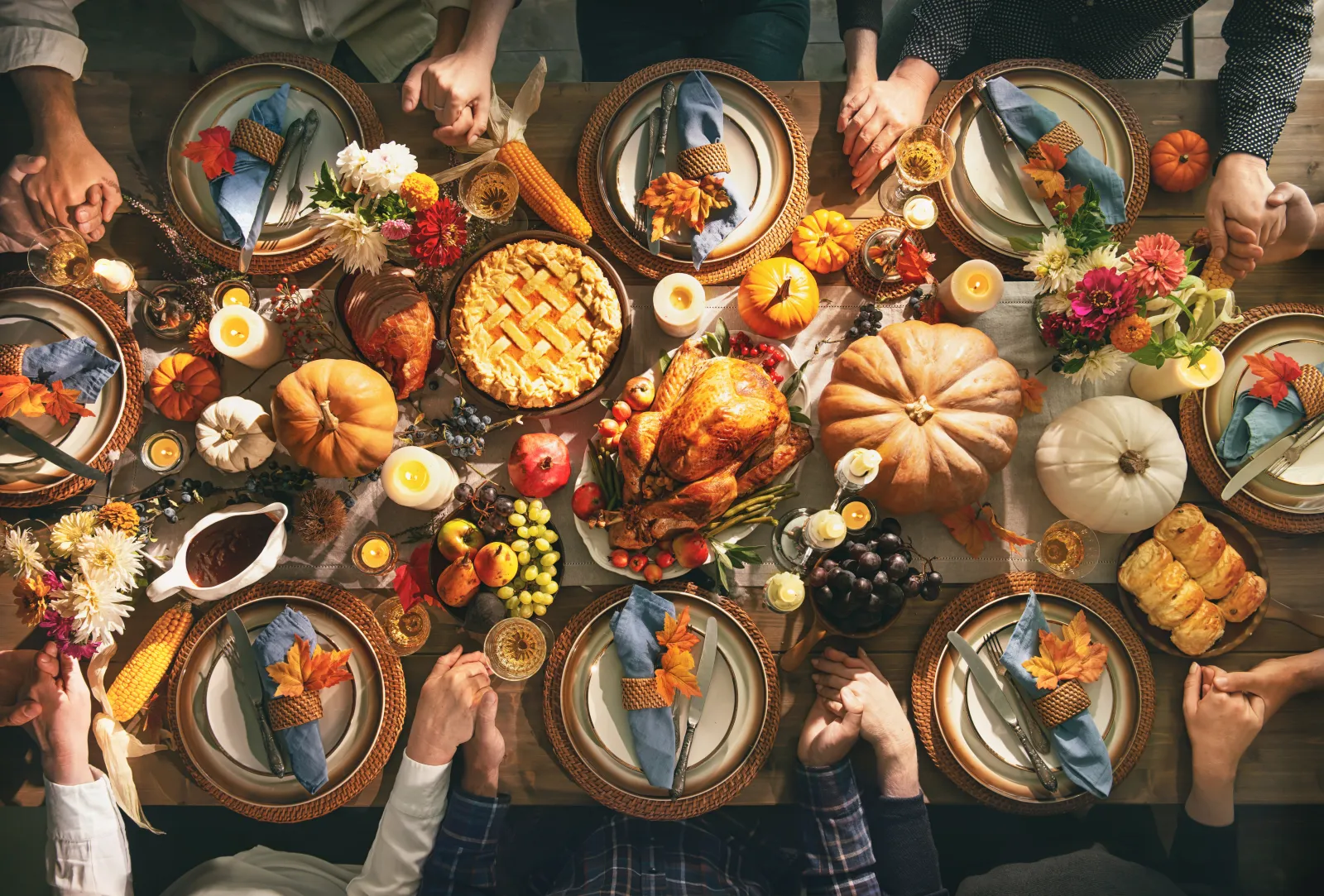
Thanksgiving is a holiday built around gratitude, family, and a table filled with classics like turkey and gravy, mashed potatoes, stuffing, green bean casserole, rolls, and desserts from pumpkin pie to sweet potato pie.
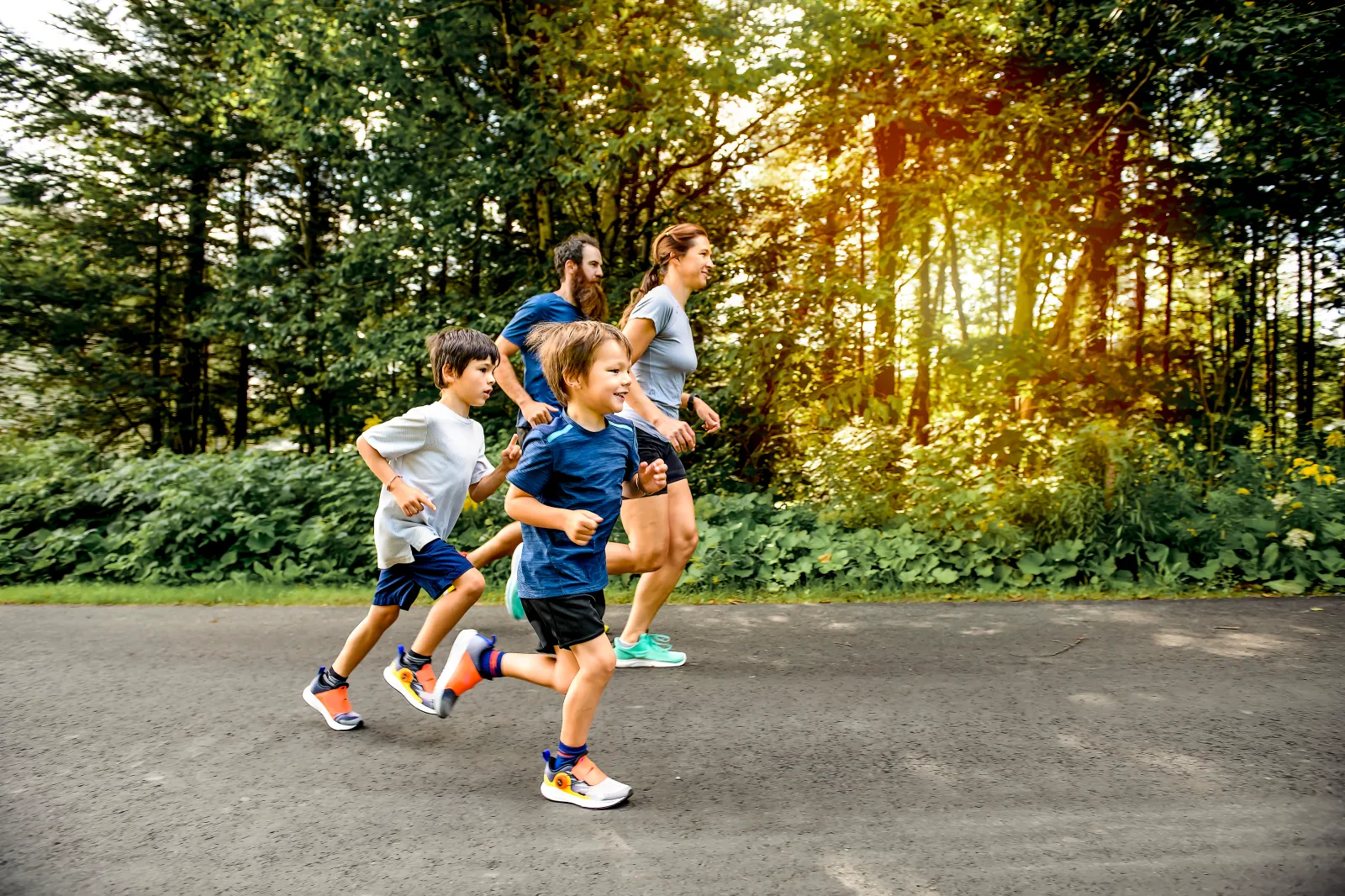
But before forks hit pie, many Americans are lacing up their running shoes for a solo jog or a local turkey trot—a footrace held on the morning of November 27—before returning home to cook, host, or travel to family gatherings.
Newsweek spoke to certified fitness trainer Denise Chakoian about why pre-dinner runs have turned into a modern holiday habit. She says the appeal goes beyond burning calories: it’s also about energy, mood, and setting the tone for a long day of eating and socializing.
Read More on Food & Drink
The trend comes at a time when running itself is surging nationwide. Statista reports that more than 51 million people in the United States went running or jogging at least once in 2024, up roughly 5.7 percent from the previous year.
...
Can a Run Really 'Burn Off' Dinner?
A Thanksgiving plate adds up quickly. Research from wellness company Levity found the average American expects to consume 2,092 calories at Thanksgiving dinner. The survey also revealed that 14 percent plan to eat more than 3,000 calories, while 4 percent say they’ll go beyond 5,000 calories this year.
Those numbers help explain why many people see a pre-meal workout as part of the holiday rhythm: it’s a way to balance the day, not cancel it.
What a Pre-Meal 5K Does for the Body
Chakoian, the owner of Core Cycle and Fitness LaGree in Rhode Island, explained: “Running a 5K before a large meal can temporarily increase your metabolism, allowing your body to continue burning calories even after the run is over.
“The workout depletes glycogen stores in your muscles, so your body may use some of the food you eat afterward to restore energy rather than store fat.”
Chakoian added that people often feel hungrier after intense exercise, but that doesn’t always lead to overeating because of improved appetite regulation. So running before the meal won’t completely offset a big feast, but it will contribute to overall energy balance.
She said: “In the long run, combining exercise with mindful eating is more effective for maintaining a healthy weight than focusing on one big meal.”
The Calorie Math
...
While a short holiday run helps burn some calories, it takes far longer to truly match the scale of a Thanksgiving feast.
According to RunRepeat, every minute of running burns about 11.7 calories—around 352 calories per half hour. At a steady 10-minute-per-mile pace, it takes close to 90 minutes to burn 1,000 calories. So, if someone wanted to try and run off their dinner, they'd miss out on all of the holiday fun as it would take about 3.6 hours at a 12-minute mile, or around 1.6 hours at a 5.5-minute mile to burn 2,000 calories.
Chakoian’s After-Dinner Movement Tips
Chakoian also recommends keeping movement easy once the meal is done, she said:
- Move gently after dinner. Taking a walk or doing light stretching can help digestion and steady blood sugar.
- Avoid hard workouts immediately. Jumping into intense exercise too soon can upset your stomach while your body is digesting.
- If you’re very full, wait an hour or two. Staying relaxed while keeping some light motion is the goal.
The Bottom Line
Thanksgiving is still what it’s always been: a day for gratitude, family, and comfort food. The rise of pre-dinner running doesn’t mean Americans are trying to cancel the feast. It means they’re expanding the turkey trot tradition that began in Buffalo, New York in 1896.
View 0 Comments
Submit Correction
View Editorial & AI Guidelines