...

By Jasmine Laws
Reporter
0
Share
Newsweek is a Trust Project member
See more of our trusted coverage when you search.Prefer Newsweek on Googleto see more of our trusted coverage when you search.
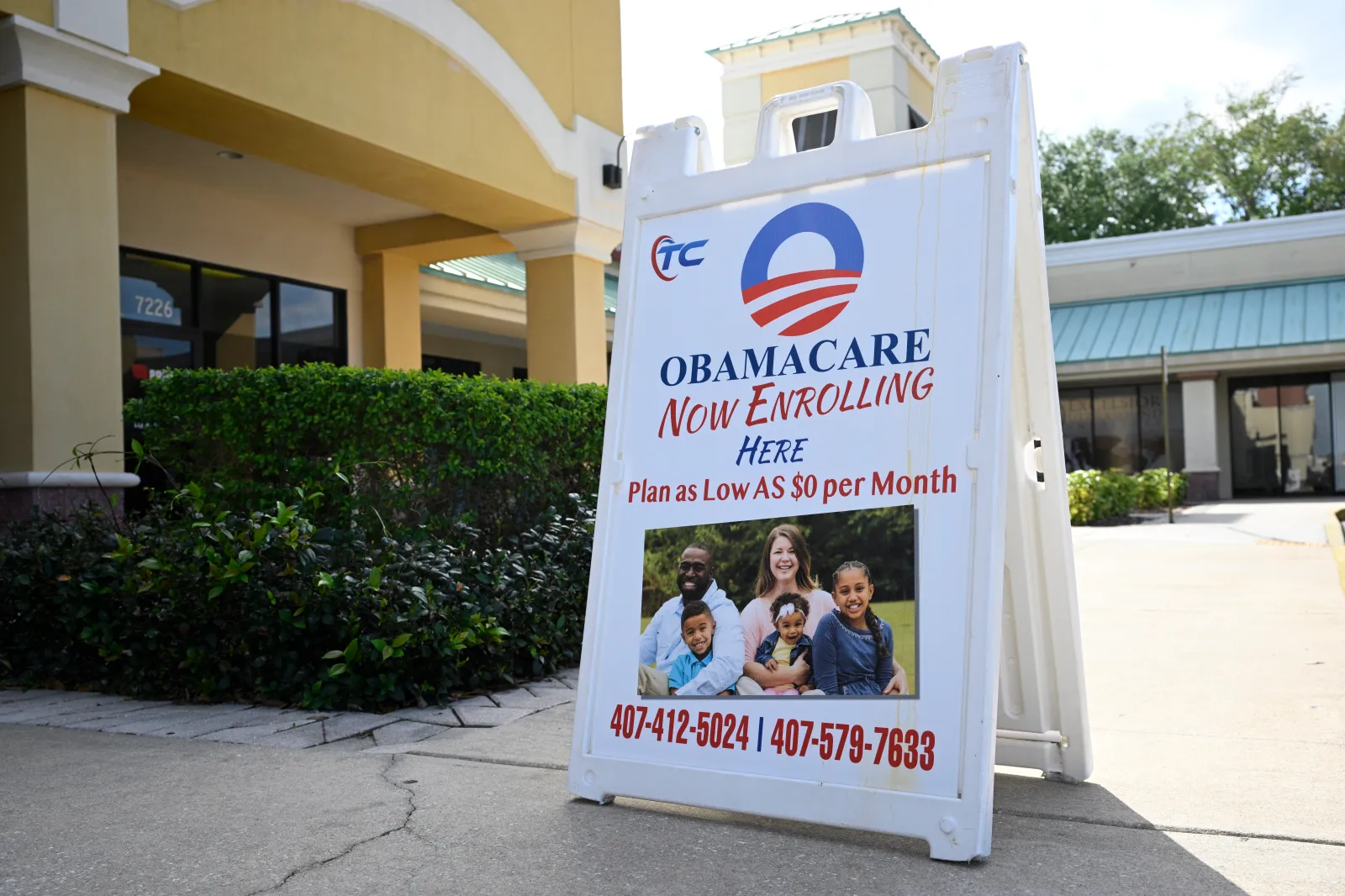
Millions of Americans who buy their health insurance through the Affordable Care Act (ACA) marketplaces, commonly known as Obamacare, are set to face another year of steep price increases.
Health insurers are seeking a median premium increase of 14 percent for 2027, according to analysis by the Peterson Center on Healthcare and KFF. The data is based on the preliminary filings of 77 ACA marketplace insurers across 16 states and the District of Columbia.
Most proposals fall between 10 percent and 20 percent, though some insurers have sought increases exceeding 20 percent. That follows a median increase of 18 percent for 2026.
Read More on U.S.

...
The increases come as insurers grapple with rising medical costs, growing demand for expensive prescription drugs, labor shortages, and policy changes. ACA marketplace enrollment has also fallen sharply this year, as many Americans have struggled to afford the soaring costs of health insurance.
The decline has implications far beyond marketplace sign-up numbers. Health policy analysts warn that rising premiums and falling enrollment could leave millions more Americans uninsured, increasing financial strain on households while reversing years of gains in health coverage.
Rising Healthcare Costs
One of the most significant contributors of premium increases is the continued rise in healthcare costs. Insurers say the underlying cost of medical care, including hospital stays, physician services and prescription drugs, has continued to climb faster than normal inflation.
For 2027, the median change in the underlying cost of medical care and prescription drugs was 10 percent, higher than the usual annual increase of 8 percent, according to the Peterson-KFF Health System Tracker.
Broader economic inflation remains another contributor. Health insurers say rising costs throughout the economy, from medical supplies to administrative expenses and supply chains, are feeding into healthcare costs.
GLP-1 Medications
The rapid growth of GLP-1 medications such as Ozempic and Wegovy has become a major pressure point for insurers. These drugs, used to treat diabetes and obesity, have particularly high price tags and have seen surging demand over the past several years.
Several insurers have reported that spending on GLP-1 drugs has more than doubled, even tripled, in a short period, per the Peterson-KFF Health System Tracker.
...
Labor Shortages and Higher Provider Costs
Insurers also point to persistent healthcare workforce shortages as a reason for premium increases. The Health Resources and Services Administration has previously forecasted a shortage of nearly 700,000 physicians, registered nurses and licensed practical nurses by 2037 in the U.S.
Providers facing higher staffing costs and lingering post COVID-19 pandemic financial pressures are seeking steeper reimbursement rates in contract negotiations, and insurers incorporate those increases into their trend assumptions.
Federal Policy and Regulatory Changes
Another major reason for the rising cost of ACA marketplace health insurance is the expiration of the enhanced tax credits that were first introduced during the COVID-19 pandemic and later extended through 2025.
These subsidies were offered to those with household incomes between 100 percent and 400 percent of the federal poverty level, meaning many of the Americans relying on them were students, workers in small businesses, the self-employed, and the retired.
The subsidies lowered monthly costs for millions of marketplace customers, meaning that without them, there have been considerable drops in enrollment already, likely among healthier enrollees who decided to forgo health insurance.
Insurers say this has left behind a less healthy population that is more expensive to insure. As a result, carriers estimate the subsidy expiration alone is adding roughly four percentage points to premium increases, according to the Peterson-KFF Health System Tracker.

...
View 0 Comments
Submit Correction
View Editorial & AI Guidelines