
...


By Brendan Cole and Steve Mollman
0
Share
Newsweek is a Trust Project member
See more of our trusted coverage when you search.Prefer Newsweek on Googleto see more of our trusted coverage when you search.
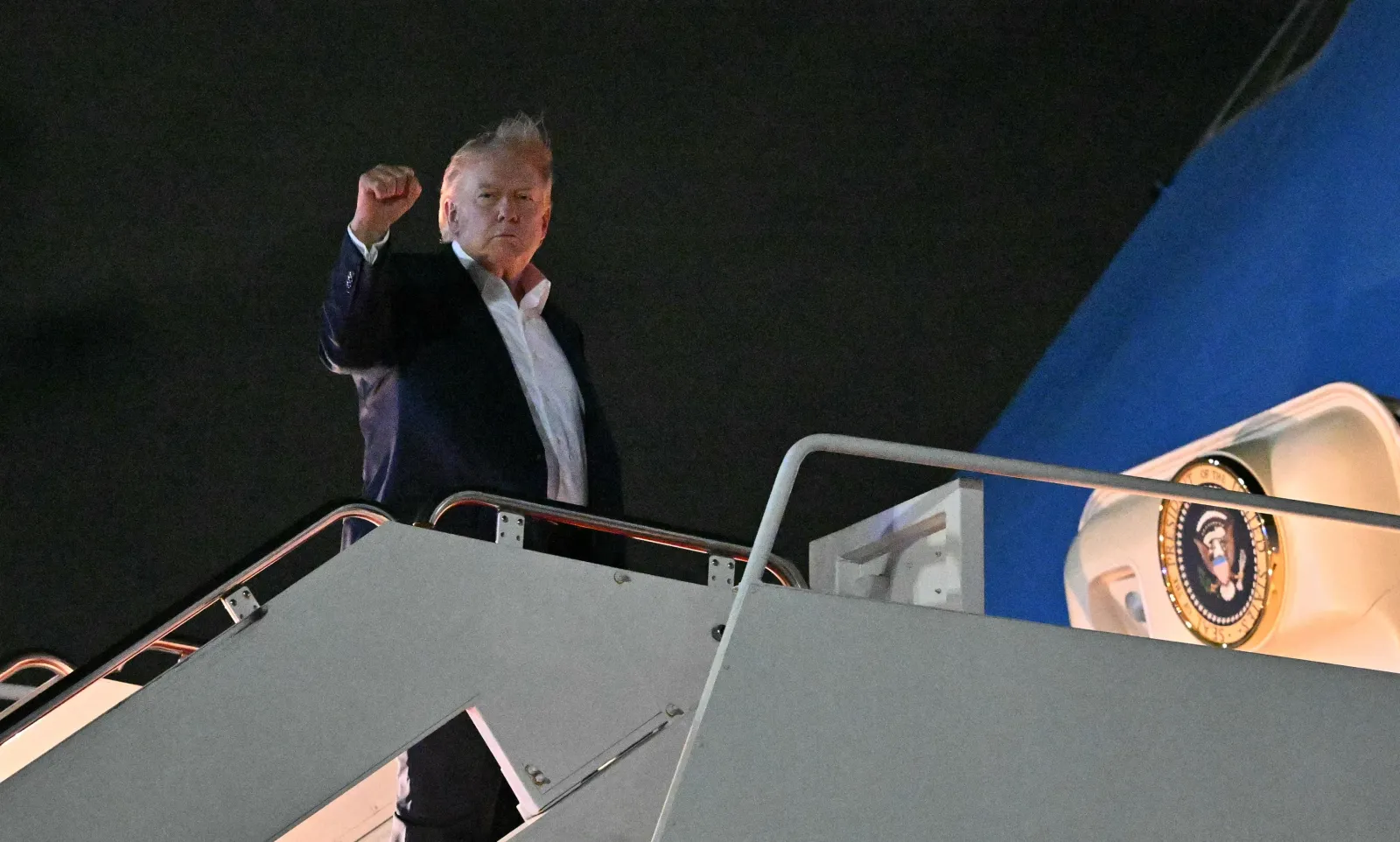
“Let the oil flow,” President Donald Trump wrote on Truth Social Sunday as he announced a deal with Iran to end the war and reopen the Strait of Hormuz. Speaking in France on Monday, he said “the deal’s all signed,” adding that the vital waterway is expected to fully reopen by Friday.
But the agreement has quickly drawn backlash over its lack of detail, reported concessions to Tehran, and the decision to defer key nuclear issues to future talks. While some have welcomed the prospect of easing global energy disruption, critics say the memorandum of understanding (MOU) leaves core questions unresolved.
Under the framework as reported, the U.S. would lift its naval blockade of Iranian ports in exchange for reopening the strait, while more detailed negotiations over Iran’s nuclear program and sanctions relief are expected over the next 60 days. That structure has fueled concern the deal delivers immediate gains to Iran while postponing the most contentious issues.
Read More
100 Days of Iran War: Winners and Losers 11 min read

The deal is also expected to apply across multiple fronts, including Lebanon, raising the prospect of limits on Israeli military operations against Hezbollah—something Israeli officials have rejected.
While speaking with Fox News' Sean Hannity on Monday night, Vice President JD Vance was asked if Iran is "agreeing never to enrich." Vance said in part that, "They are agreeing right now to eliminate the enriched stockpile. And if they don't get to a point where they agree to stop enriching, then they don't get the other benefits of the bargain. That's the way this is set up. A lot of the technical details we're going to figure out over the next month, over the next two months. But the basic structure is, they can get a lot if they comply with the United States' demands. They don't get anything if they don't comply with anything."
Vance also said the agreement dictates that Iran is not getting a "single dime" of American money.
Israel’s Anger
Israel has been among the most vocal critics. Even before Trump’s announcement, Israeli newspaper Yediot Aharonot described the emerging agreement as a “bad deal,” highlighting that Israel—despite fighting two wars against Iran in the past year—was not directly involved in the negotiations.
Senior Israeli officials have continued to voice alarm. Finance Minister Bezalel Smotrich called the MOU “bad for Israel” and “the entire free world,” pledging to continue efforts to topple Iran’s regime. Yashar party leader Gadi Eisenkot said there was a “vast gulf” between Prime Minister Benjamin Netanyahu’s promises of “total victory” and the outcome of the talks.
Israel has also made clear it does not consider itself bound by the agreement. National Security Minister Itamar Ben-Gvir said Monday that Israel would not withdraw from territory it has captured in Lebanon, while Defense Minister Israel Katz said Israeli forces would remain in security zones there indefinitely.
US Concerns
Criticism has also come from Washington. Senate Democratic leader Chuck Schumer called on the administration to release details of the agreement and brief Congress, questioning what the U.S. had gained from the conflict.
Democratic Senator Chris Murphy went further, describing the MOU as “essentially surrender to Iran.”
“Make no mistake: these are Iran’s terms,” Murphy wrote on X, arguing that reopening the Strait of Hormuz was not a meaningful concession because it had been open before the war. He also warned that providing Iran access to frozen funds before reaching a nuclear agreement could weaken U.S. leverage in future negotiations.
In Trump's own party, Senator Lindsey Graham also expressed reservations. The South Carolina Republican wrote on X that while he was "pleased" that a deal was reached, "I am somewhat concerned that Iran’s view of the agreement seems different than what the American negotiating team is claiming."
...
Deal Uncertainty
Analysts say much of the criticism stems from a lack of clarity about what the deal actually contains. Hamidreza Azizi, an Iran expert at the SWP Berlin think tank, said it is too early to judge its implications.
“As there is still no clarity on the MOU’s provisions, we cannot make any credible or reliable judgment about its potential implications,” he told Newsweek, warning there remains “room for misunderstandings or even miscalculations.”
Nate Swanson, director of the Iran Strategy Project at the Scowcroft Middle East Security Initiative, said the framework appears designed to temporarily reduce violence and restore maritime traffic, but leaves the central issues unresolved.
The MOU, he said, is likely to buy time rather than settle disputes, with the most difficult topics—nuclear restrictions, sanctions relief and long-term security arrangements—delayed to a second phase.
Without a swift follow-on agreement, Swanson warned, the current framework “will be volatile and impossible to sustain on its own.” He added that political pressures in the U.S., Iran and Israel could complicate efforts to reach a more comprehensive deal, particularly if the next phase requires detailed monitoring and verification measures.
“It’s possible Iran agrees to terms that are favorable to it,” he said, “but those could prove so unpalatable in the United States and Israel that a lasting deal becomes unlikely.”
Iran’s Position
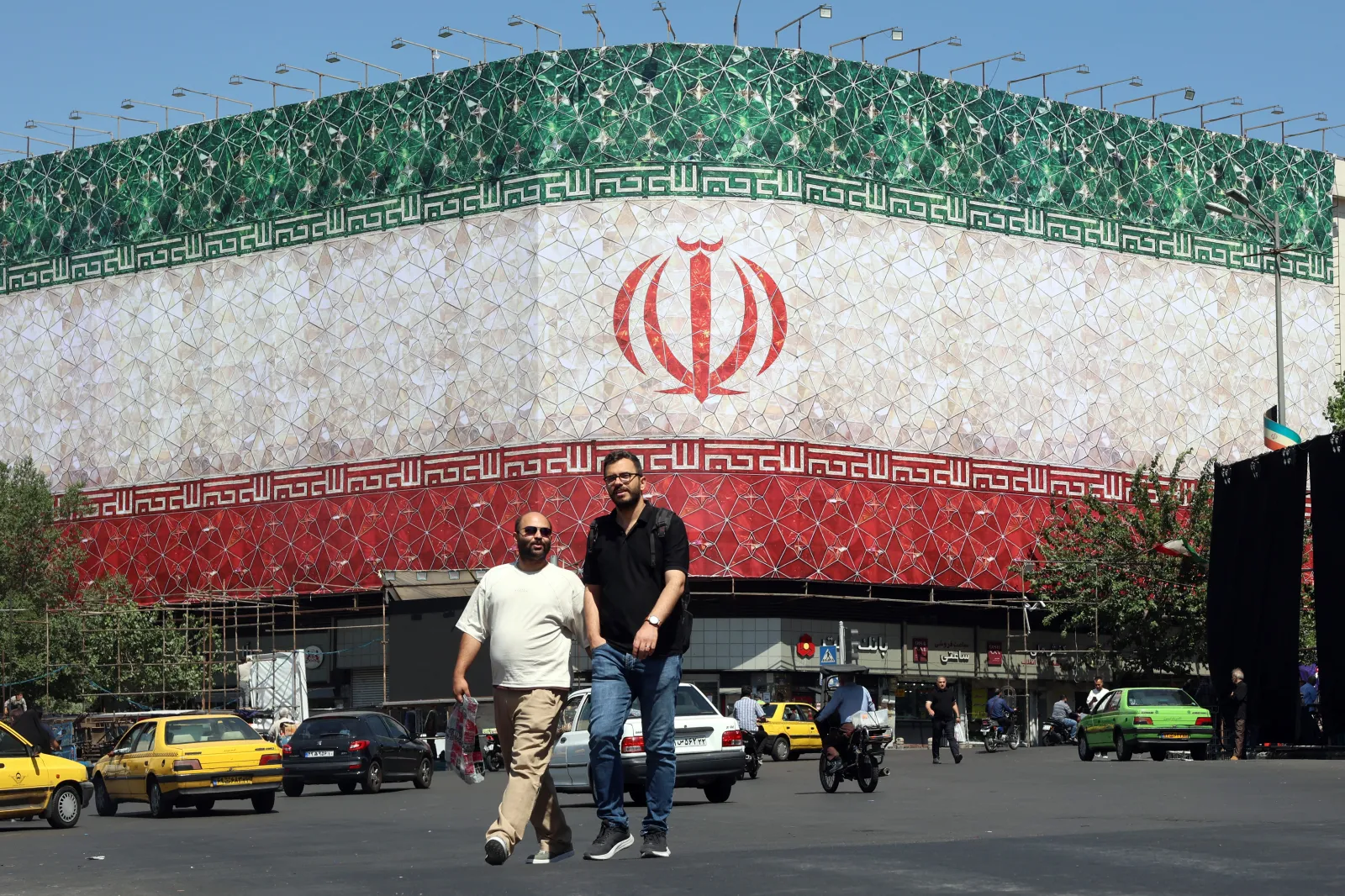
Inside Iran, officials have also faced criticism from hard-liners accusing them of making concessions. President Masoud Pezeshkian defended negotiators, saying on X that those working to protect the country’s “national interests and dignity” should not be labeled traitors.
“What has been agreed upon is an important step toward stopping the war and beginning negotiations,” he wrote Monday, emphasizing that a final agreement has yet to take shape.
Strait Questions
Uncertainty also surrounds the future of the Strait of Hormuz itself, a critical chokepoint for global oil supplies and a key source of leverage for Tehran.
Trump has insisted the waterway will be “toll free,” but reports from Iran suggest a more limited arrangement. Iranian-linked media indicated that toll-free passage could apply only during the 60-day negotiation period, after which new terms may be introduced, potentially allowing Iran to retain a degree of control.
Analysts note that even if restrictions are lifted temporarily, Iran could still disrupt shipping in the future, making its concessions reversible. That dynamic has reinforced concerns that the deal may not fully restore the prewar status quo.
...
Israel and Lebanon
Meanwhile, tensions remain high on other fronts. Hours before the U.S. and Iran unveiled their interim deal, Israel struck Beirut after rockets were fired into its territory from Lebanon—an exchange Trump described as “small and meaningless.”
At a late-Monday news conference in Jerusalem, Netanyahu acknowledged that he and Trump have not always agreed.
“He is the president of the United States, and I am the prime minister of Israel,” Netanyahu said. “We often see eye to eye, but there are times when we don’t as much. In the end, I am responsible for protecting Israel’s security interests.”
Israel has signaled it will continue military operations in Lebanon regardless of the deal, prolonging uncertainty about whether the agreement can bring broader stability to the region.
Lebanese President Joseph Aoun said he hoped the framework would lead to a “definitive end” to the conflict between Israel and Hezbollah. But with Israeli officials vowing to maintain their presence, any lasting resolution appears uncertain.
As negotiations move into their next phase, the deal’s ultimate impact may hinge on whether the parties can bridge deep divisions over Iran’s nuclear program and regional role—issues that remain unresolved at the heart of the agreement.
View 0 Comments
Submit Correction
View Editorial & AI Guidelines