
Photo-illustration by Newsweek/Getty

By Jesus Mesa
Reporter
0
Share
Newsweek is a Trust Project member
See more of our trusted coverage when you search.Prefer Newsweek on Googleto see more of our trusted coverage when you search.
Donald Trump reclaimed the presidency and immediately began reshaping Washington in his image. A new cast of MAGA loyalists took power: JD Vance emerged as the vice president with real muscle; Marco Rubio gained Kissinger-like influence across matters of national security and foreign affairs; and Karoline Leavitt, just 27, turned the press briefing room into a daily messaging war zone. Behind the scenes, Stephen Miller and Susie Wiles pulled the levers of policy and discipline that defined Trump’s second act.
But the year’s churn didn’t lift everyone. The Epstein files cast a shadow over the FBI and Attorney General Pam Bondi, who saw her credibility undercut not only by the White House’s own inner circle but also by some of Trump’s fiercest loyalists. Defense Secretary Pete Hegseth also found himself in the headlines more often than the president might have liked, with embarrassing leaks pouring out of the Pentagon.
And Elon Musk, briefly hailed as Trump’s secret weapon on the campaign trail, became an electoral liability—disrupting the federal government and turning into a political headache for both the president and congressional Republicans.
Read More on Politics
Photo-illustration by Newsweek/Getty
Democrats, meanwhile, were left wandering — and scrambling. Gavin Newsom, Alexandria Ocasio-Cortez, and Zohran Mamdani gained stature in the opposition, embracing a more confrontational tone and giving voice to what many progressive voters wanted. In doing so, they exposed the limits of party leaders like Hakeem Jeffries and Chuck Schumer—who, despite ending the year in strong positions, continue to struggle to connect with younger generations.
For all the wins and losses on paper, the broader reality was clear: in 2025, Trump called the plays—and Washington reacted. Here are Newsweek's biggest political winners and losers of the year.
Winners
JD Vance
...
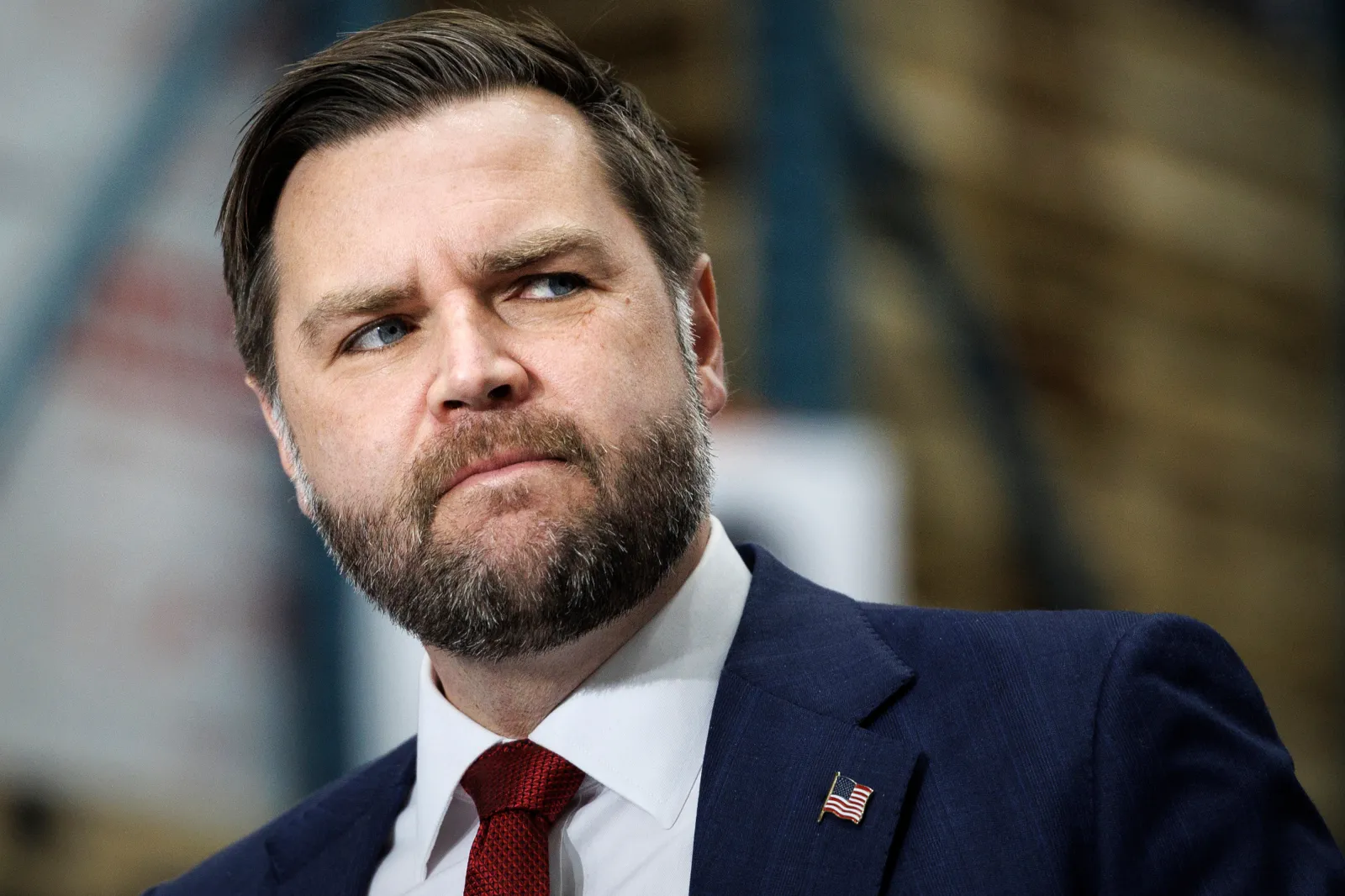
JD Vance had a banner year in 2025, rising from freshman senator to vice president and quickly proving his value inside the Trump administration. Rather than being boxed into a single role, Vance adopted what allies described as a “Swiss Army knife” approach, serving as one of the president’s fiercest defenders on television and social media, a key voice on domestic policy, and a trusted messenger of Trump’s America First agenda abroad.
President Donald Trump repeatedly praised Vance, at times referring to him as “an athlete” capable of handling any political assignment. One confidant said that reliability is what sets him apart. “With JD, you don’t have to worry,” the person said. “He’s just good. He’s talented, and Trump trusts him.” That combination of effectiveness and loyalty has positioned Vance not just as a central figure in the administration, but as a leading contender to shape the post-Trump Republican Party.
Marco Rubio

...
Once dismissed by Trump as “Lil' Marco,” Rubio completed a striking political comeback in 2025, emerging as one of the president’s most trusted advisers and the public face of U.S. foreign policy. As secretary of state, and also acting national security adviser, Rubio became a central architect of the administration’s global strategy.
Nowhere was that more evident than in the Western Hemisphere, where Rubio has overseen the most ambitious U.S. campaign in the region in decades. Tasked with countering China’s growing economic and political influence, Rubio coordinated diplomatic pressure, security partnerships and economic outreach across Latin America and the Caribbean. “He’s doing a great job, not only regarding the Middle East but also in Latin America,” Florida Rep. Maria Elvira Salazar told Newsweek. “We must applaud him because he knows the region and he’s sharing that knowledge with the White House.”
Stephen Miller

...
No official outside the president himself exerted more influence over domestic policy in 2025 than Stephen Miller. As deputy White House chief of staff for policy, Miller has served as the principal architect of the administration’s most controversial initiatives, particularly its sweeping immigration crackdown and revived “law and order” agenda.
Miller’s authority peaked with the deployment of federal troops to Los Angeles amid immigration protests, a move widely seen as the clearest demonstration of his power. He also helped drive expanded ICE raids and aggressive crime messaging. In a speech to police officers in Memphis, he declared, “You are unleashed… go out and get the criminals off the streets.” While critics on the left denounced him, Miller’s standing inside Trump world only solidified. “Next to Susie Wiles, he is the most powerful person in President Trump’s second administration,” GOP strategist Matt Klink said.
Susie Wiles

...
Susie Wiles may not headline rallies or dominate cable news, but few wielded more real power inside Trump’s White House. As chief of staff, Wiles became the administration’s operational anchor, enforcing discipline, managing rival factions and translating campaign instincts into a functioning governing operation.
Despite occasional media scrutiny, Wiles’ authority remained intact. Cabinet officials and senior aides consistently defended her, dismissing negative coverage as noise. “The West Wing has never worked this well or been more oriented toward accomplishing what [Trump] wants,” Office of Management and Budget Director Russell Vought said on social media, underscoring how firmly she had consolidated control.
Karoline Leavitt
...
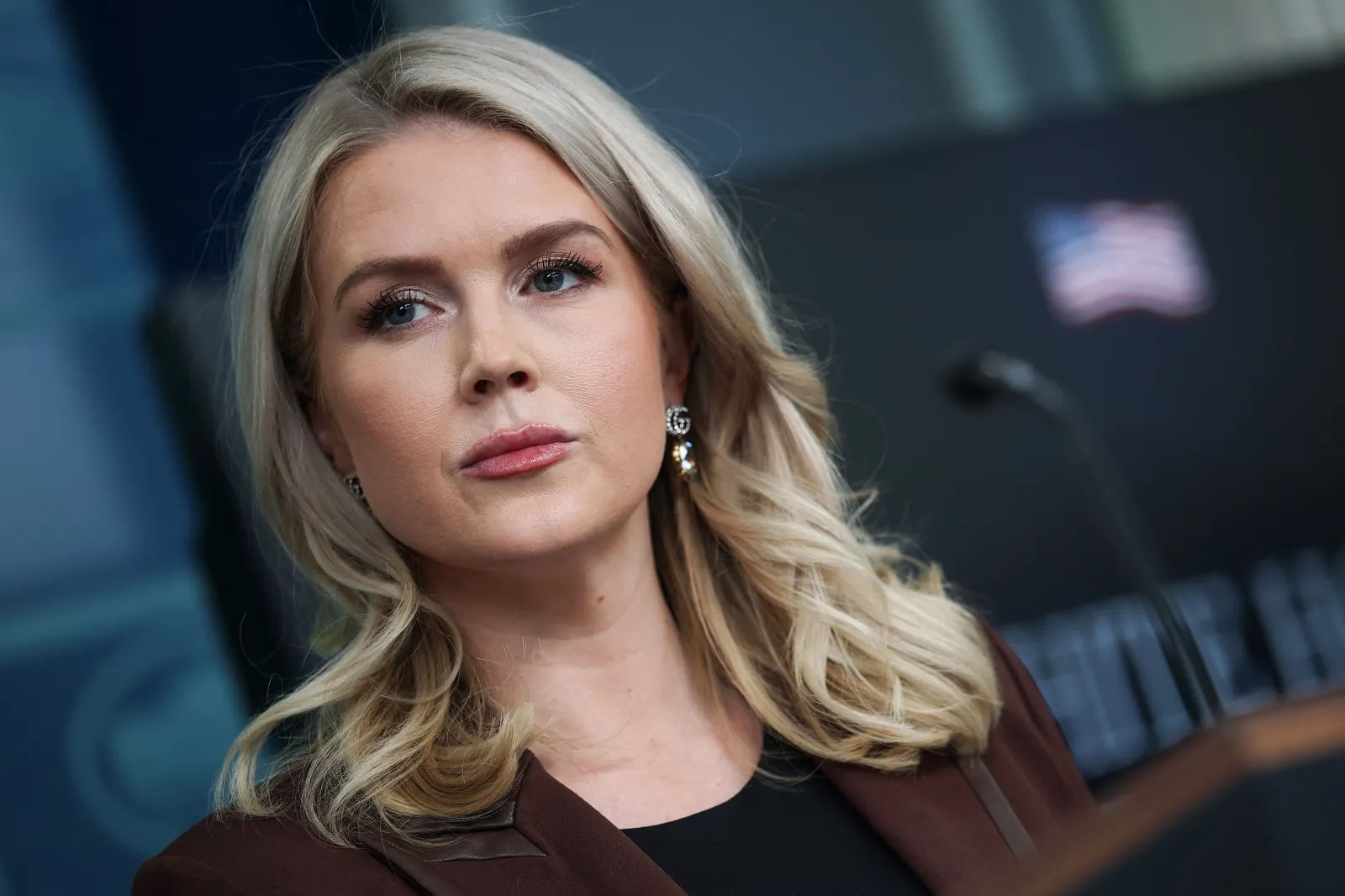
At 27, Karoline Leavitt became the youngest White House press secretary in American history and quickly made the role her own. A loyalist from Trump’s post-2020 media ecosystem, Leavitt turned the briefing room into a daily political battleground.
Her briefings were marked by sharp exchanges, viral moments and open hostility toward the press — often without any notes. Leavitt embodied the administration’s communications philosophy: never retreat, always counterpunch. In one now-infamous moment, she responded to a reporter’s question about a Trump summit site by texting, “Your mom did.” The approach made her a star with the MAGA base. “She looks like she’s having fun… ultra-prepared and relishes making the Washington press corps squirm,” Klink said.
Gavin Newsom
...
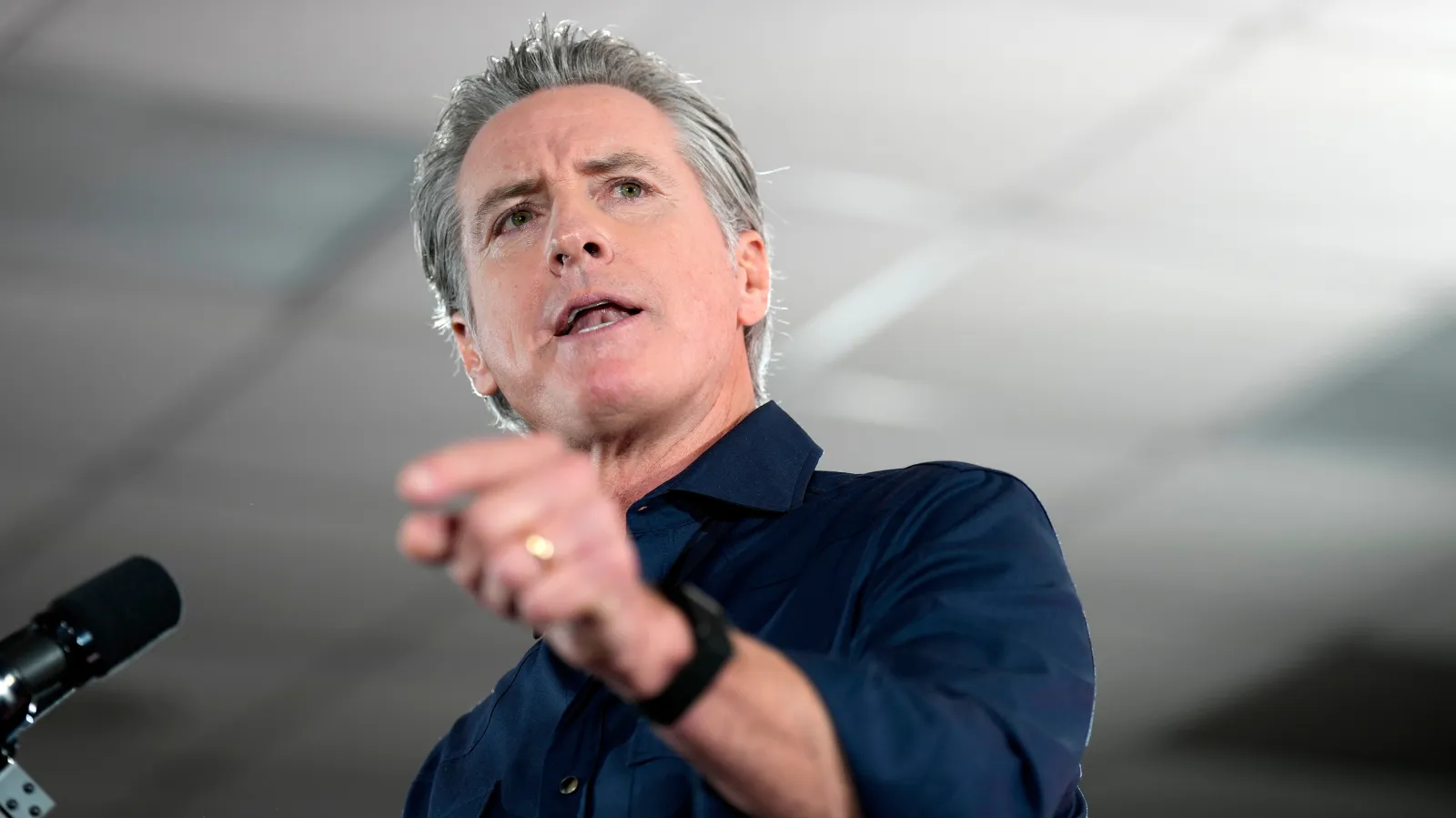
While many Democrats issued statements, Gavin Newsom took the fight directly to Trump. As California governor, Newsom positioned himself as the party’s most aggressive and visible antagonist, challenging federal immigration raids in court, mocking Trump-era diversity rollbacks and framing himself as a national counterweight to the administration.
The governor of California also pulled off one of the few tangible legislative wins for Democrats of the year: a ballot measure, which passed easily, that will redraw the state's Congressional map, designed to help the party flip as many as five House seats in the midterms.
Newsom also perfected an aggressive social media strategy created in the image of Trump's. His team flooded TikTok and Instagram with rapid-fire memes and short videos attacking Trump policies and staffers, targeting younger voters with shareable content. “Newsom has always been a very vocal Trump critic, but this year he stepped it up to an entirely new level,” said Dan Schnur, a longtime strategist and USC professor. In a post-Biden-Harris landscape, Schnur said Newsom has moved “to the head of the pre-primary field.”
Alexandria Ocasio-Cortez

...
In 2025, Alexandria Ocasio-Cortez didn’t just energize the left, she helped direct its fury. Spending much of the year campaigning with Sen. Bernie Sanders, AOC drew large crowds and pressed Democrats to adopt a more confrontational posture toward Republicans and their own leadership.
“This isn’t just about Republicans,” she told a packed rally in Arizona. “We need a Democratic Party that fights harder for us, too.” Although she lost her bid to lead the House Oversight Committee, her influence continued to grow. “She is a force within the party,” Doug Gordon said, noting that she enters 2026 with more power to shape Democratic debates than she had a year earlier.
Zohran Mamdani

...
Zohran Mamdani started the year with virtually zero national name recognition, and ended it as mayor-elect of the country's largest city with an electoral strategy that energized Democrats: focus on affordability, cost-of-living, and little else. Mamdani delivered Democrats their biggest surprise victory of 2025 and, for many in the party, their clearest blueprint for the future. Running on a bold left-wing platform, Mamdani, a self-declared Democratic-socialist, energized immigrant communities, defeated establishment opponents and drove the largest turnout in a mayoral election in decades.
Democrats entered the year “depressed, powerless and directionless,” Doug Gordon said. “Mamdani’s win provided a much-needed boost of optimism and hope. But more importantly, he gave Democrats a roadmap on how to run, and win, on the most important issue to voters, affordability.” His rapid rise has made him one of the party’s most closely watched figures heading into 2026.
Losers
Dan Bongino
...
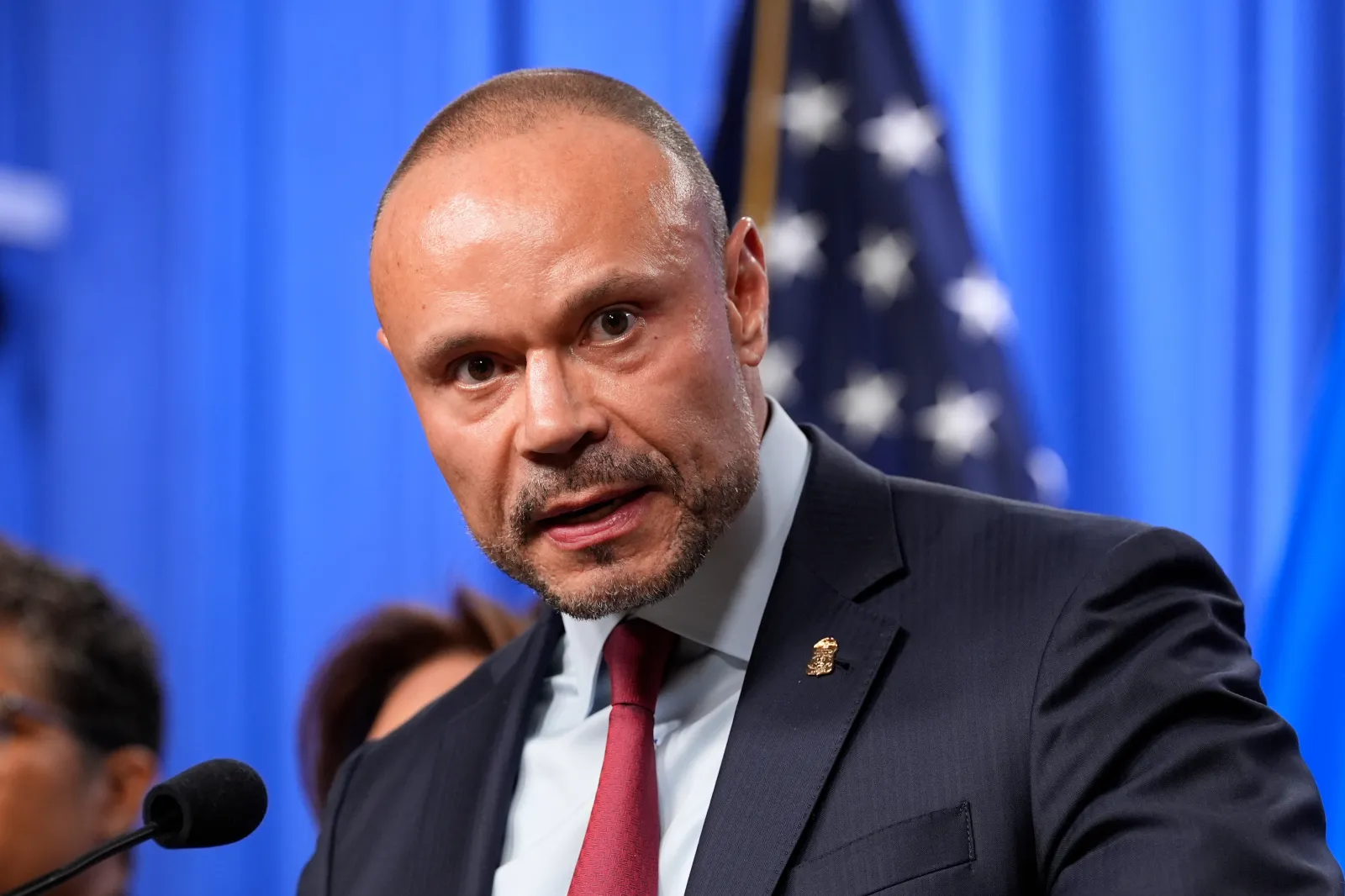
Dan Bongino’s experiment in federal law enforcement ended as a cautionary tale. Appointed FBI deputy director after years as a conservative media figure, Bongino struggled to gain credibility inside the bureau. An internal review described leadership as “directionless,” and agents reportedly dismissed him as “something of a clown.”
By December, Bongino announced his resignation amid collapsing morale and bipartisan ridicule. “He never really looked like he was having fun doing his job,” Matt Klink said. “He is better suited to be a radio and television host.” Even Trump suggested Bongino might be happier back in right-wing media rather than in a position of power.
Kash Patel
...
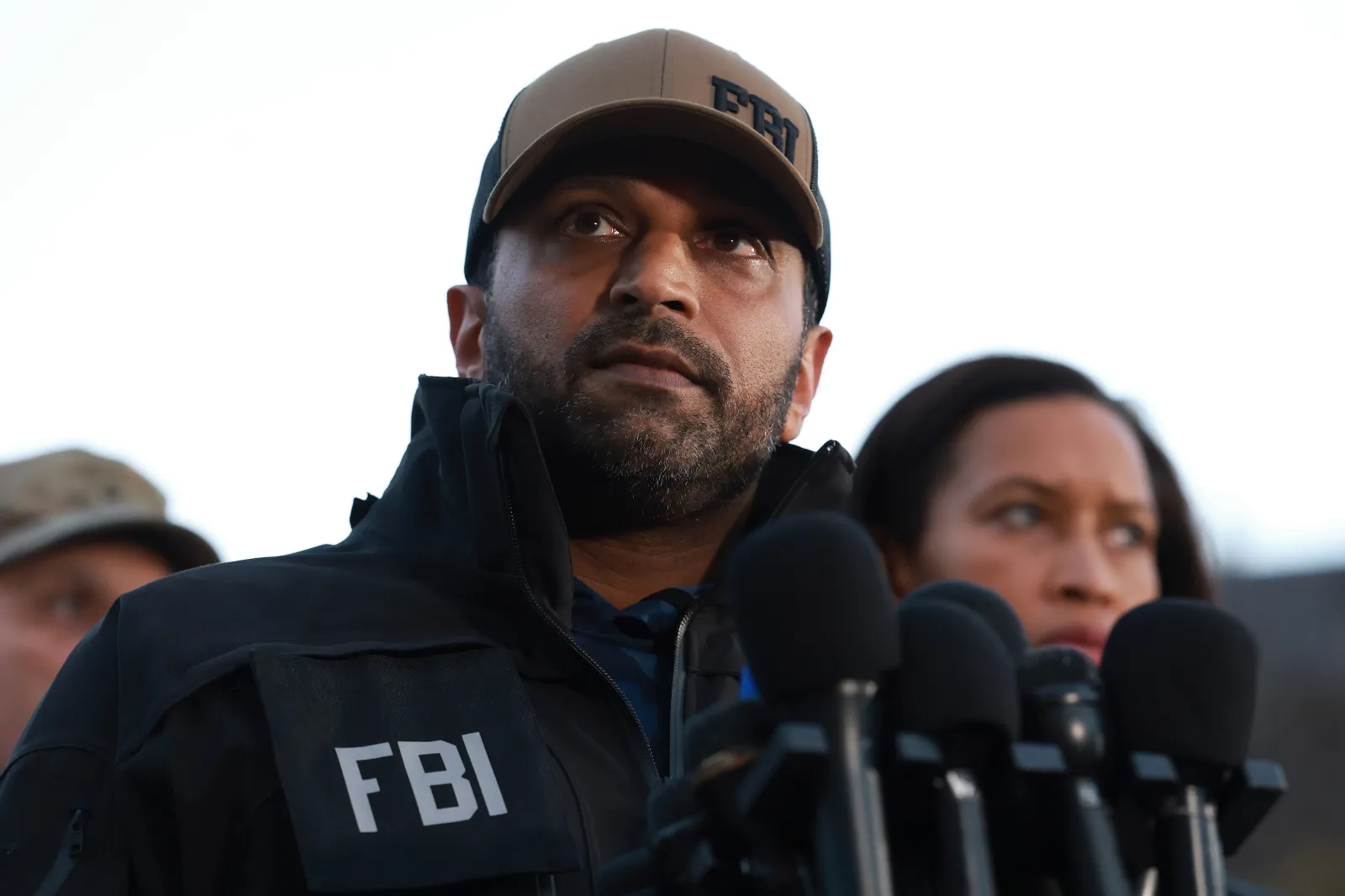
Kash Patel’s first year as FBI director was marked by persistent internal dissent and growing concern over his leadership style. Current and former agents described the Bureau under Patel as “a rudderless ship” and “all f—ked up,” language that quickly spread through Capitol Hill and the national security community.
Criticism intensified as Patel made a series of controversial decisions, including appearing on partisan podcasts during sensitive investigations and publicly naming persons of interest in high-profile cases like the assassination of Charlie Kirk before sufficient evidence had been established. While Patel retained support among Trump loyalists, doubts about his judgment mounted. “He has neither the breadth of experience nor the bearing an FBI director needs,” one internal source told Fox News.
Pam Bondi

...
Attorney General Pam Bondi’s credibility took a hit in 2025 after a series of overpromises. At a high-profile press event, she declared, “The Epstein list is on my desk,” and handed out binders to MAGA influencers that promised to contain the first part of the investigation—raising public expectations the Justice Department ultimately failed to meet.
The documents were never fully released until Congress passed a bill forcing the administration to do so. Bondi's handling of the Epstein saga became emblematic of broader concerns about her leadership, including overpromising, poor coordination and an inability to manage the political and legal fallout surrounding one of the administration’s most sensitive cases. Media coverage even on the right has reflected how badly Bondi's tenure has gone, though it has not materially altered her standing with her boss.
Elon Musk

...
Elon Musk entered 2025 as one of the most powerful unelected figures in Washington, attending cabinet meetings, campaigning for Trump and leading the newly created Department of Government Efficiency. His influence appeared unmatched until it wasn’t.
After Democrats won a high-profile judicial race in Wisconsin despite Musk’s heavy involvement, concerns grew about his political liability. “Polls show his popularity is upside down,” GOP strategist Carter Wrenn said. “That is definitely a problem.” Tensions escalated after Musk clashed with Trump over legislation and publicly floated the idea that Trump could appear in unreleased Epstein files. By year’s end, Musk’s DOGE role had been shut down, his access curtailed and his political brand significantly diminished. He is now regularly cited in polls as among the least popular public figures in America.
Pete Hegseth

...
Pete Hegseth’s first year as Defense Secretary was marked by controversy and missteps. He became a central figure in Signalgate, a scandal involving leaked war planning chats on a private Signal group, after a high-profile journalist was accidentally added to the conversation. The breach contributed to the ouster of National Security Adviser Mike Waltz and raised serious concerns about operational security under Hegseth’s watch.
Later, Hegseth approved controversial strikes on suspected drug-smuggling vessels, but it was the reported second strikes used to eliminate survivors that drew bipartisan outrage. Lawmakers demanded access to the drone footage, which Hegseth has not produced, and inserted new oversight measures meant to rein him in, tucked into the annual defense bill.
Mike Waltz

Mike Waltz began 2025 as national security adviser with an opportunity to shape the administration’s foreign policy. Instead, a series of leaks and internal lapses, including the “Signalgate” breach involving private messaging of classified material, undermined confidence in the National Security Council.
As authority consolidated around Trump’s closest advisers, Waltz’s influence waned. By late 2025, he was reassigned as U.S. ambassador to the United Nations, a move widely seen as a demotion in both visibility and relevance.
Hakeem Jeffries

...
House Minority Leader Hakeem Jeffries struggled throughout 2025 to unify Democrats after a difficult election cycle. His cautious approach to budget fights and investigative strategy frustrated progressives and grassroots activists eager for sharper opposition to Trump.
While Jeffries secured some tactical wins, criticism persisted that he failed to meet the moment. His reluctance to embrace emerging figures like Zohran Mamdani reinforced perceptions that party leadership was disconnected from its base.
Jeffries did, however, achieve a measure of tactical success late in the year by forcing a House vote on ACA tax credits, and by helping negotiate the end of the shutdown.
Chuck Schumer

...
Senate Minority Leader Chuck Schumer faced mounting criticism from within his own party as 2025 wore on. His handling of funding negotiations and continuing resolutions fueled frustration among progressives who argued Democratic leadership lacked urgency and vision.
Calls for generational change grew louder. “It’s time for Schumer to follow the advice he gave Biden and step aside,” Doug Gordon said. “Schumer seems as old and out of touch as the flip phone he famously carries.” While Schumer retained seniority and institutional power, his influence over the party’s direction had noticeably diminished.
Under the leadership of Schumer and Jeffries, the Democratic Party has an approval rating under 20 percent, according to a recent Quinnipiac poll.
View 0 Comments
Submit Correction
View Editorial & AI Guidelines