10
Loading video...

By Alyce Collins
Senior Reporter
0
Share
Newsweek is a Trust Project member
See more of our trusted coverage when you search.Prefer Newsweek on Googleto see more of our trusted coverage when you search.
Following years of painful symptoms and no explanations, a woman has revealed how a trip to her dental hygienist’s office eventually led to a shock endometriosis diagnosis.
Ever since Deanna Bellomo got her first period at the age of 14, she has experienced painful cramps, aches, fatigue and illness. For a long time, she presumed that was normal and came with the territory, but her health declined significantly at 16. The symptoms worsened and became constant, as Bellomo of New Jersey told Newsweek the cramps were “insane and unbearable.”
Bellomo, 26, became so unwell that her parents took her to a children’s hospital at one point. A blood test showed that her antinuclear antibody levels were high, indicating that something wasn’t right so Bellomo was told that it was likely rheumatoid arthritis.
Read More on Health
“I also had colon spasms that would have me screaming,” Bellomo said. “When I did have cramps, I had tons of groin pain that would shoot down my leg. During my ovulation/luteal phase if I had to pee, it would burn after and give phantom UTI pain. I also experienced left ovary pain that was so extreme I would cry for someone to take me to the hospital."
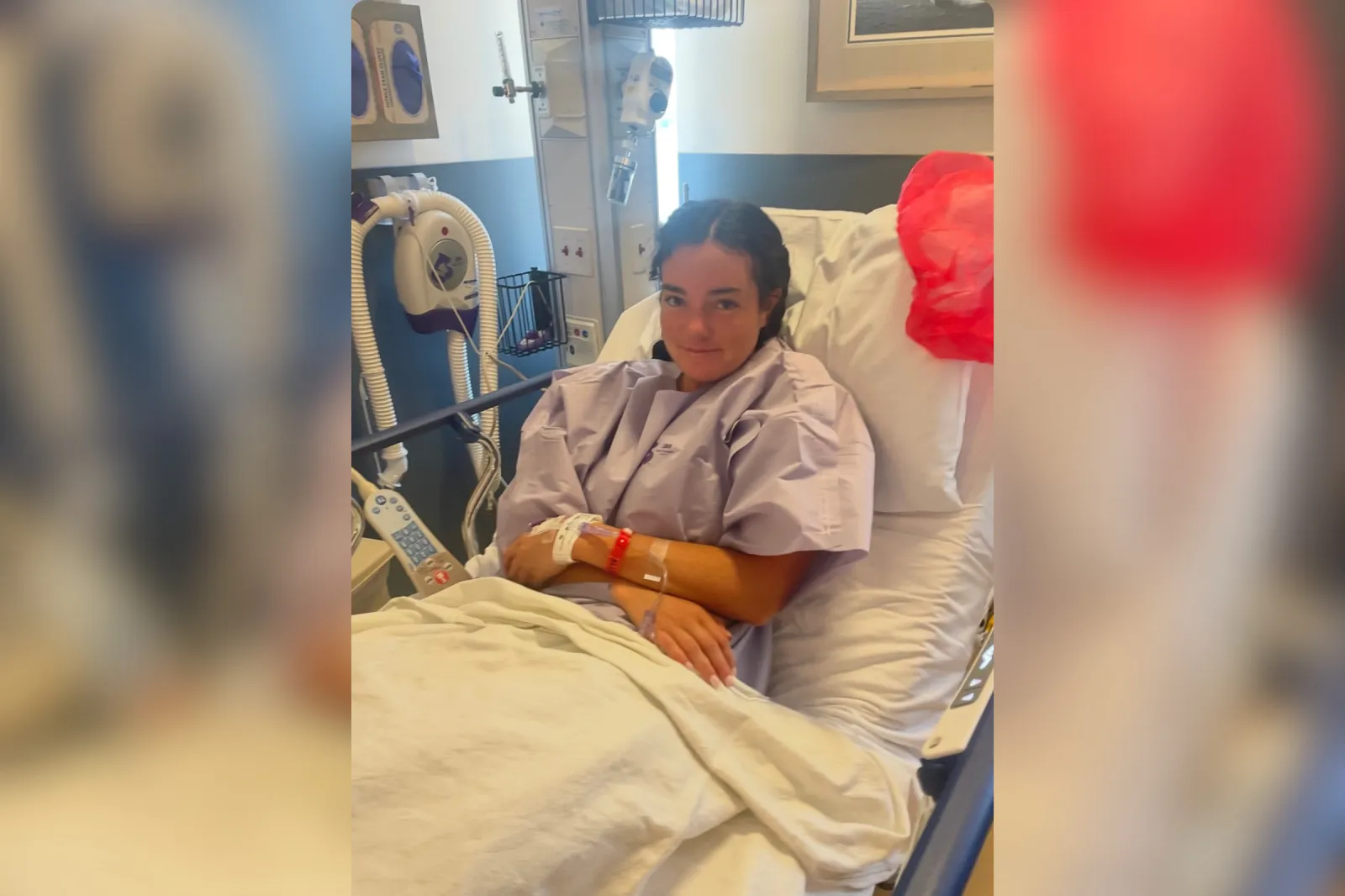
...
She continued: “The ovary pain would be so intense then suddenly shift. But the worst was the endo belly. No matter what I did, if I ate all the right things or didn’t eat at all, my stomach never felt relieved.”
Up until she was 21, Bellomo believed the rheumatoid arthritis diagnosis. However, it no longer seemed sufficient when she also developed acne and shifts in her menstrual cycle. She saw multiple dermatologists who insisted the acne was hormonal, but gynecologists kept pushing birth control as a solution.
It was clear that something was going on with her periods, so Bellomo did everything she could to try and control them. She adjusted her lifestyle and took a holistic approach, focusing on a whole foods diet, juices, clean ingredients and doing low impact exercises. That helped for a time, but it wasn’t a long-term answer.
Over the years, Bellomo repeatedly sought medical attention but told Newsweek that each doctor gave her “the same response in a different font.” She’s seen six gynecologists in the last five years and every time felt like a struggle to be heard.
“A lot of them pushed birth control or told me I spent too much time on the internet,” Bellomo said. Indeed, one doctor suggested that some women just have worse periods than others and there’s no reason why.
Bellomo couldn’t help but cry as she felt dismissed. She was still suffering with symptoms and there didn’t seem to be an end in sight.
“It made my relationship with my body more fragile. I would skip out on things sometimes, but for the most part, this was the body I was in, so I just kept going. I kept exercising, eating clean, doing anything I could to manage the pain. I tried to remain positive and be grateful for the positives in my life, but it was mentally exhausting,” Bellomo said.
After all the medical appointments, it turned out that a dental check would prove most significant. Bellomo went to get her teeth cleaned and started chatting with the dental hygienist about how she’d started acupuncture for her painful symptoms. The dental hygienist explained that she also did acupuncture because she has endometriosis.
It was the first time Bellomo had considered that she could be living with endometriosis, and suddenly everything made sense. The dental hygienist gave Bellomo information about all the procedures she’d had and provided contact information for the doctors who could help.
Not to mention, some sage advice about the importance of advocating for herself no matter how difficult it gets.
Bellomo said: “Once I had that conversation, I had a gut feeling. So, having that mindset going into meeting with the gynecologic surgeon, I felt relieved when she found an endometrioma on my left ovary. I had been trying to find a diagnosis for nine years, so to finally hear that I wasn’t crazy or being dramatic made me feel validated.”
Following the discovery of endometriosis, Bellomo underwent laparoscopic surgery in June 2025 and a hysteroscopy to remove the polyps from her uterus. It took around six months to make a full recovery, and although the post-op pain hurt, it was nothing in comparison to the pain Bellomo had been living with for years.
As she reflects on her journey, Bellomo is so grateful to the dental hygienist who finally helped her reach a diagnosis. Without that conversation, Bellomo doesn’t think she ever would have discovered that she has endometriosis.
Bellomo shared her experience on TikTok (@vintagedidi) in a post that explained how her teeth cleaning appointment led her to find out she has endometriosis “all over” her colon. The post went viral with over 1.4 million views and 999,900 likes on TikTok at the time of writing.
Sharing her story hasn’t been easy, but Bellomo hopes it can help others keep pushing and trust their instincts. She felt gaslit for so many years as it seems that medical professionals often try to “bandage the problem” instead of seeking answers. She feels there’s a lack of education surrounding endometriosis, which is why it’s vital that women advocate for themselves.
“If you are experiencing symptoms related to your cycle, never give up. Do not let one medical opinion ruin your mood or influence you to take medication you aren’t sure about. Always trust your gut and talk about your problems because you never know where the conversation can lead,” Bellomo told Newsweek.
“If I can share my story and impact one other person, it’s worth it. Having women that understand and support each other is so special. It’s so important to be open and honest because being real and raw helps others feel less alone.”
Is there a health issue that's worrying you? Let us know via health@newsweek.com. We can ask experts for advice, and your story could be featured on Newsweek.
View 0 Comments
Submit Correction
View Editorial & AI Guidelines