10
Loading video...

By Billal Rahman
Immigration Reporter
0
Share
Newsweek is a Trust Project member
See more of our trusted coverage when you search.Prefer Newsweek on Googleto see more of our trusted coverage when you search.
The Trump administration has not filed a petition asking the U.S. Supreme Court to rehear its June 30 decision striking down President Donald Trump's birthright citizenship restrictions, and the deadline to do so has passed, according to court records.
Birthright citizenship grants U.S. citizenship to most people born in the United States regardless of their parents' immigration status. The Trump administration has sought to narrow that longstanding interpretation.
Under Supreme Court Rule 44, parties seeking rehearing of a decision on the merits generally must file a petition within 25 days of the judgment, unless the court or a justice extends the deadline.
Read More on U.S.
Newsweek reached out to the White House for comment via email outside office hours.
In Trump v. Barbara, the Supreme Court ruled 6-3 against Trump's executive order limiting birthright citizenship. The majority held that children born in the United States to parents who are unlawfully or temporarily present in the country are citizens at birth under the 14th Amendment.
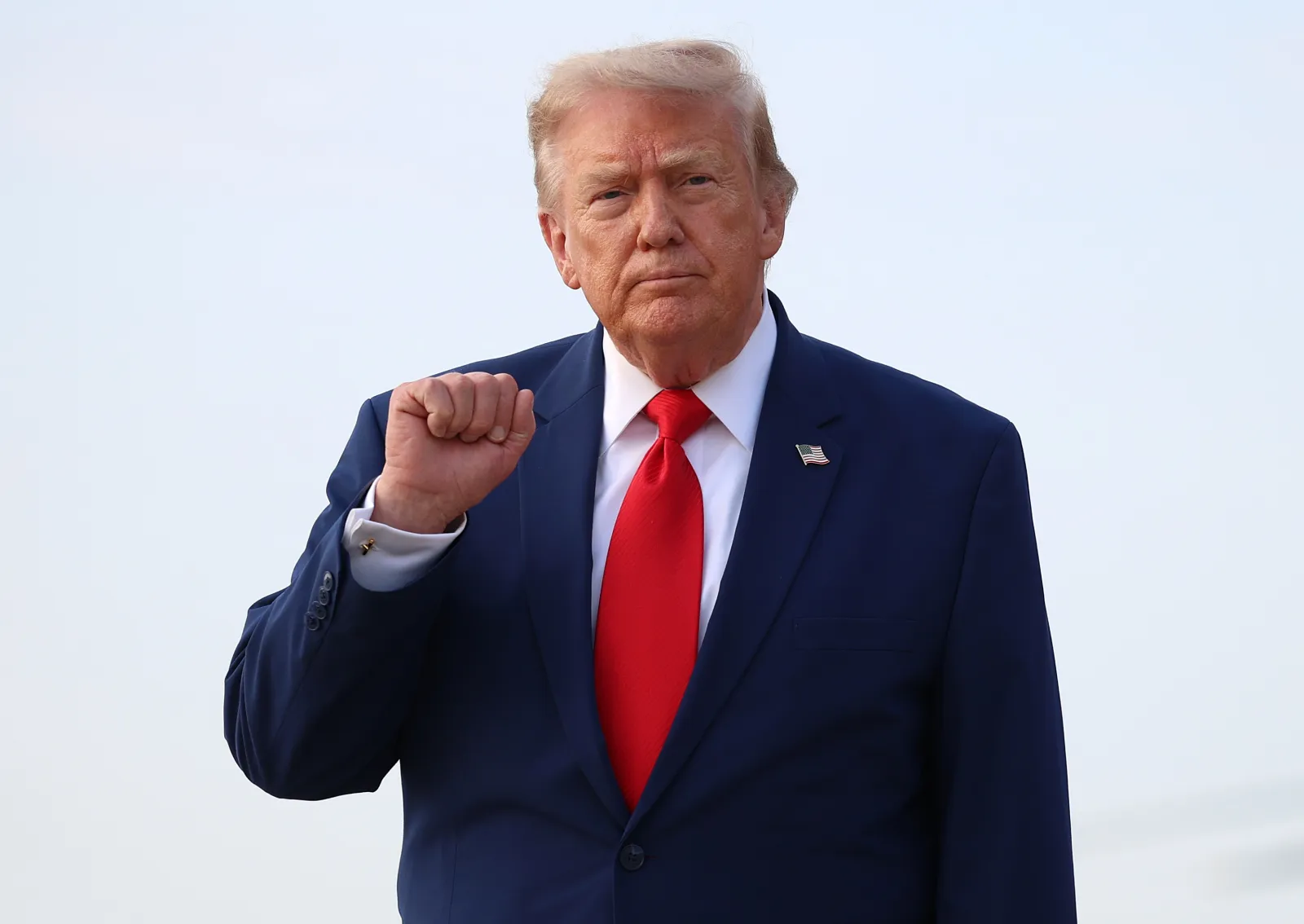
“I will be asking for a Rehearing by the United States Supreme Court, IMMEDIATELY,” Trump wrote in a Truth Social post on July 8. “This miscarriage of justice will destroy America if they don’t change their absolutely insane decision.”
...
As of July 29, however, no rehearing petition had appeared on the Supreme Court's public docket. The underlying First Circuit docket likewise shows the Supreme Court's June 30 opinion as the most recent substantive entry.
Absent any extraordinary procedural action, the expiration of the rehearing deadline leaves the court's ruling in place.
Writing for the majority following the decision, Chief Justice John Roberts said children born in the United States "are citizens at birth," reaffirming longstanding interpretations of the 14th Amendment's Citizenship Clause. Roberts wrote that the framers of the amendment extended citizenship to "every free-born person in this land" and that the court was maintaining that promise.
The decision left intact the legal framework established by the Supreme Court's landmark 1898 ruling in United States v. Wong Kim Ark, which held that a child born in the United States to immigrant parents was a U.S. citizen.
The 14th Amendment says that "all persons born or naturalized in the United States, and subject to the jurisdiction thereof, are citizens of the United States and of the State wherein they reside."
The ruling was a major setback for the Trump administration's efforts, but it is unlikely to end attempts by the GOP and hard-line MAGA loyalists to narrow citizenship rights.
Representative Morgan Griffith, a Virginia Republican, has introduced the End Birthright Citizenship for Territories Act, which would amend federal laws granting U.S. citizenship at birth in Puerto Rico, Guam, the U.S. Virgin Islands and the Northern Mariana Islands.
Related Story

Trump Was Right. Six Months Post-Maduro, Venezuelan Recovery Defies Critics
The bill would limit those provisions to people born before January 1, 2027, meaning children born in those territories after that date would not automatically receive U.S. citizenship unless at least one parent is a U.S. citizen or lawful permanent resident.
Conservatives who support restricting birthright citizenship have also pointed to concerns about "birth tourism," a practice in which foreign nationals travel to the United States to give birth so their children obtain U.S. citizenship.
Republican lawmakers backing changes to birthright citizenship laws have argued that automatic citizenship can create incentives for birth tourism and encourage abuse of the immigration system.
Roughly 300,000 babies were born to unauthorized immigrant mothers in the United States in 2023, according to estimates from the nonpartisan think tank Pew Research Center.
The Supreme Court's decision closed off the administration's executive-order approach, but efforts to limit birthright citizenship could continue through legislation, new legal challenges or a constitutional amendment. Any constitutional change would face steep political hurdles, requiring approval from Congress and most states.
Contact Newsweek editors on this story: John Fitzpatrick and Sam Wilson.
View 0 Comments
Submit Correction
View Editorial & AI Guidelines