10
Loading video...

By Dan Gooding
Associate News Editor
0
Share
Newsweek is a Trust Project member
See more of our trusted coverage when you search.Prefer Newsweek on Googleto see more of our trusted coverage when you search.
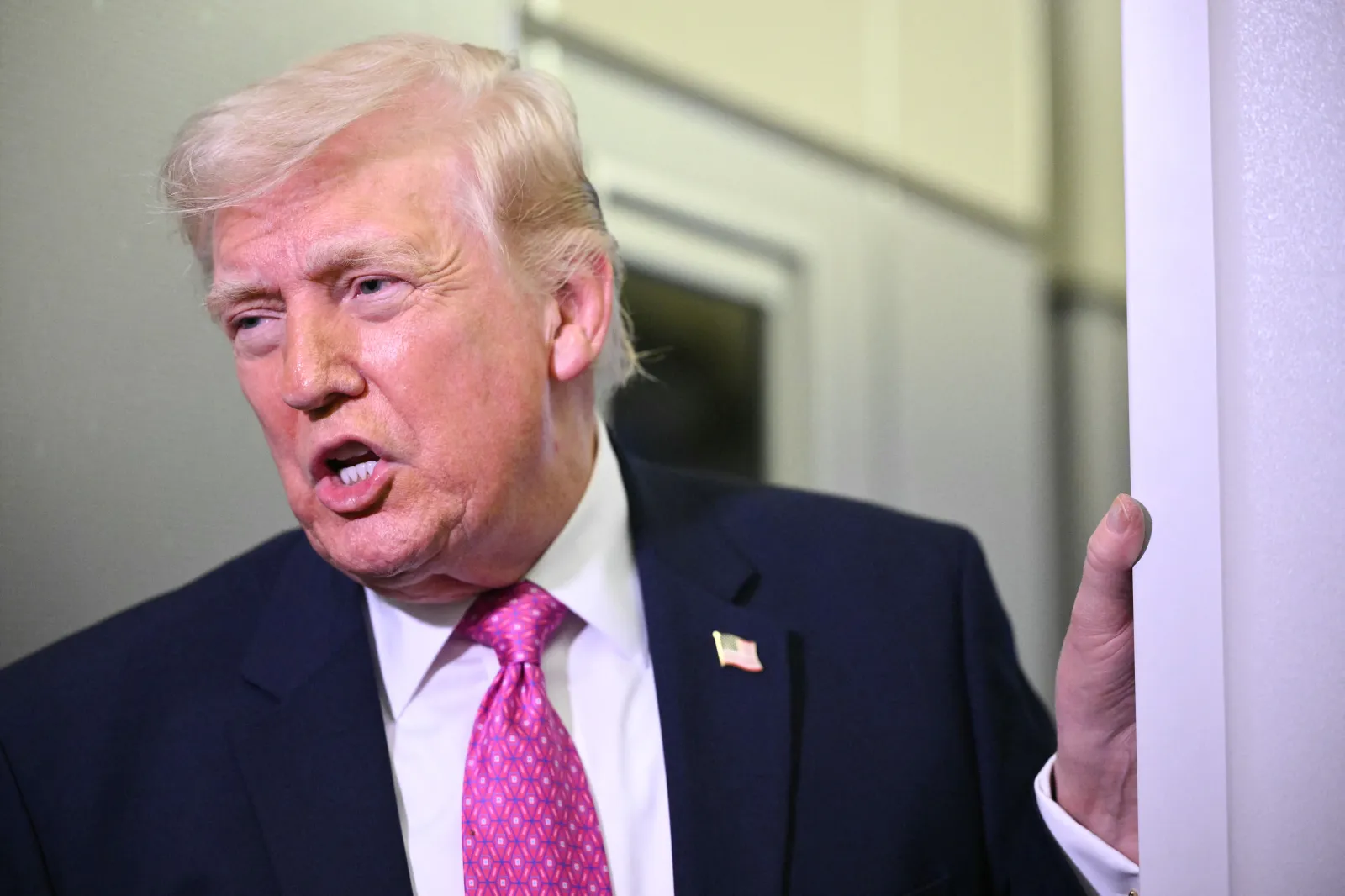
As the U.S. Supreme Court prepares to hear oral arguments on whether President Donald Trump can make major changes to birthright citizenship, he has once again said the United States is the only country to offer universal citizenship to nearly anyone born in the country.
The president's claim came two days before justices are set to discuss birthright citizenship once again.
Read More on Fact Check
The Claim
Posting to Truth Social in the early hours of Monday morning, Trump said: "Birthright Citizenship is not about rich people from China, and the rest of the World, who want their children, and hundreds of thousands more, FOR PAY, to ridiculously become citizens of the United States of America."
He went on to say birthright citizenship was about the babies of slaves, referring to the 14th Amendment at the center of the debate.
"We are the only Country in the World that dignifies this subject with even discussion," he said. "Look at the dates of this long ago legislation - THE EXACT END OF THE CIVIL WAR!"
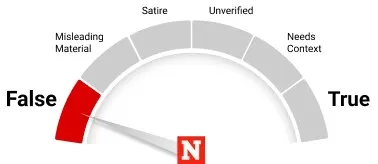
The claim that the U.S. was the "only country" is the focus of Newsweek's fact check.
...
The Facts
In the U.S., birthright citizenship, which gives U.S. citizenship to all children born in the country, became part of the nation’s Constitution in 1868 as an effort to protect recently freed slaves from deportation. Section 1 of the 14th Amendment states: "All persons born or naturalized in the United States, and subject to the jurisdiction thereof, are citizens of the United States and of the State wherein they reside."
Trump targeted this amendment on the very first day of his second term, issuing an executive order banning birthright citizenship moving forward, and arguing that this section of the Constitution was outdated. In part, this is because he and others opposed to the sweeping policy believe it to be abused by illegal immigrants.
Tracking birthright citizenship in the U.S. is extremely difficult, making it nearly impossible for either side of the debate to provide concrete numbers on who is benefiting from the current policy. While the U.S. Census Bureau tracks new births, hospitals do not ask for the immigration status of the parents or put this on birth certificates.
The idea of automatic citizenship at birth is not a pathway unique to the U.S., however. Countries including Canada, Mexico, and Argentina recognize this principle.
In the Americas, only Chile and Colombia do not grant birthright citizenship, relying instead on jus sanguinis or citizenship based on ancestry rather than place of birth. That policy is also reflected in multiple European, Asian, and African countries. In the U.K., for example, at least one parent must be a citizen or have legal residency for their newborn to be a citizen.
Some countries do not have any form of birthright citizenship, including Germany, Japan, China, India, and Saudi Arabia.
The president's comment could also be seen as stating that no other country is even debating this policy area. A handful of countries in Europe have, in fact, moved away from jus sanguinis in recent years, having discussed the issue.
The Ruling
Trump's comment on birthright citizenship being unique to the U.S. was therefore false.
Whether the practice is allowed to continue as-is remains up to the Supreme Court, with a decision not expected for several months.
Responding to Newsweek questions on the president's post Monday afternoon, White House spokesperson Abigail Jackson said the Supreme Court has "the opportunity to review the Fourteenth Amendment’s Citizenship Clause and restore the meaning of citizenship in the United States to its original public meaning.
"This case will have enormous consequences for the security of all Americans," she said. "The Trump Administration looks forward to making its case on the issue of birthright citizenship on behalf of the American people.”
Fact check by Dan Gooding.
Learn more about Newsweek Fact Check
View 0 Comments
Submit Correction
View Editorial & AI Guidelines