...

By Amir Daftari
News Reporter
0
Share
Newsweek is a Trust Project member
See more of our trusted coverage when you search.Prefer Newsweek on Googleto see more of our trusted coverage when you search.
Israel has dismissed a New York Times report that Prime Minister Benjamin Netanyahu threatened to disrupt U.S.-Iran nuclear deal talks by targeting Iran's main enrichment facilities, calling it "fake news."
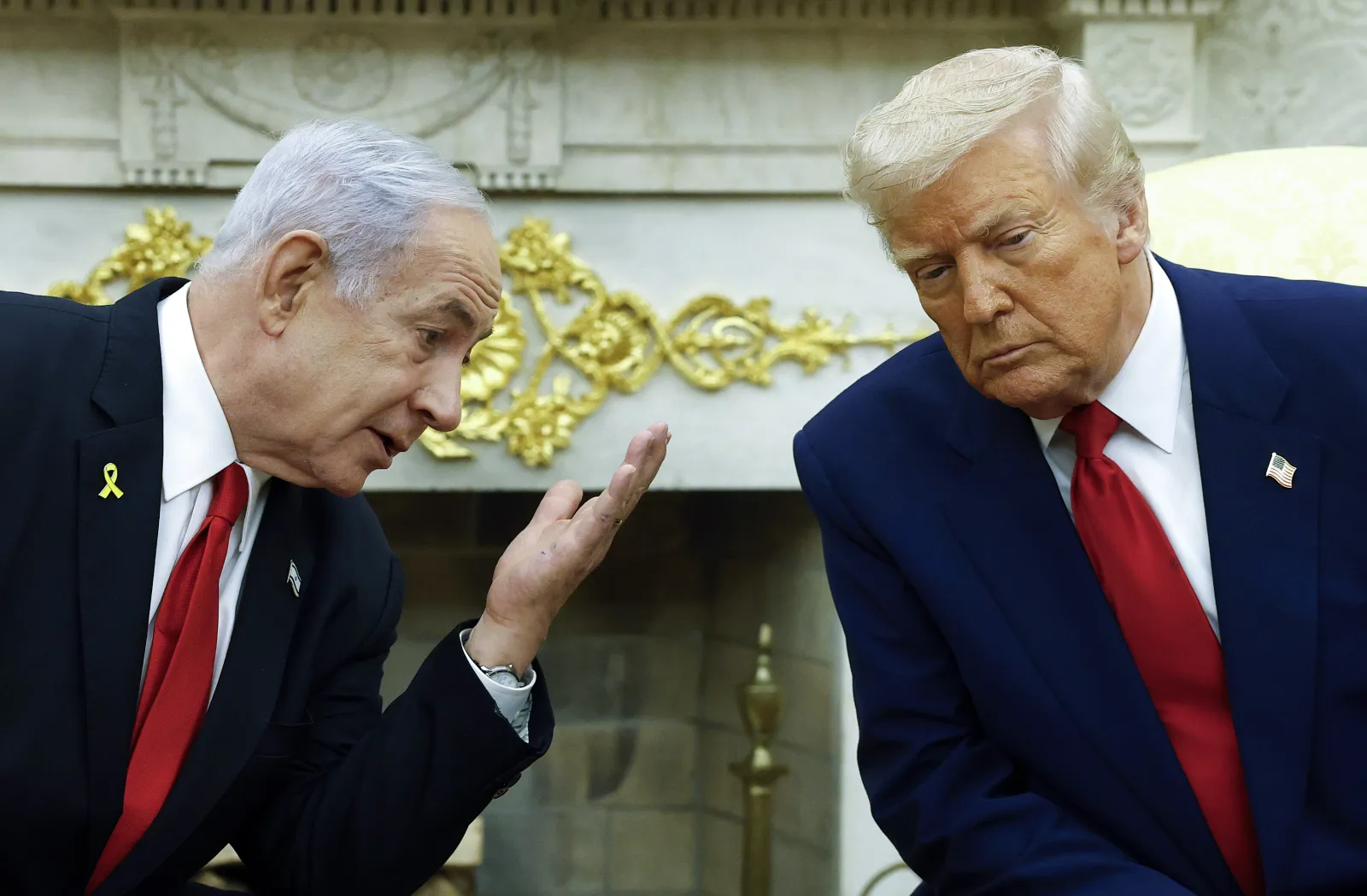
But the report nonetheless highlighted deepening tensions between Netanyahu and U.S. President Donald Trump, who is eager to secure a deal despite Israeli concerns over Tehran's nuclear program. This dispute is one of several signs revealing a worsening relationship between the two leaders, reflecting broader disagreements on Iran, regional conflicts, economic policy, and diplomatic priorities.
Newsweek has reached out to the White House and the Israeli prime ministers office for comment.
Read More on News
Why It Matters
While the broader U.S.-Israel alliance remains strategically robust, the relationship between Trump and Netanyahu has frayed significantly. Though much of the current tension revolves around policy disputes—over Iran, Gaza, and regional diplomacy—the personal rift between the two leaders began earlier.
One notable rupture came in 2020, when Netanyahu publicly congratulated Joe Biden on his election win. Trump, who still disputes the result, saw the move as a betrayal. "The first person that congratulated [Biden] was Bibi [Benjamin] Netanyahu, the man that I did more for than any other person I dealt with. He has made a terrible mistake," Trump said in an interview. That moment marked an early turning point in their relationship, which has since been defined by policy disagreements and reduced personal alignment.
...
What To Know
1. Iran Nuclear Talks
President Trump has taken a more diplomatic approach to the nuclear talks with Iran, seeking a deal that limits Tehran's program without resorting to military confrontation. In contrast, Netanyahu remains highly skeptical, repeatedly warning that any deal allowing Iran to maintain uranium enrichment facilities endangers Israel's security. Netanyahu has threatened military action even if diplomacy succeeds. Israeli officials worry that Trump's urgency to reach an agreement might lead to concessions unacceptable to Israel, particularly allowing Iran to keep enrichment sites that Netanyahu views as a "red line."
Trump has not turned against Israel, but he's not willing to make an exception to America first.
Trita Parsi, Executive Vice President of the Quincy Institute for Responsible Statecraft
2. Gaza Conflict
The recent release of Israeli-American hostage Edan Alexander has sharpened tensions between Trump and Netanyahu, exposing their increasingly divergent strategies on Gaza. While Trump framed the release as a diplomatic breakthrough and a sign of progress toward a ceasefire, Netanyahu downplayed its significance and emphasized that no concessions were made to Hamas, signaling his continued focus on military objectives. This difference in tone reflects deeper disagreements: Trump has pushed for humanitarian access and de-escalation, backing a new Gaza aid delivery system aimed at bypassing Hamas. Netanyahu has supported the mechanism but remains primarily committed to a hardline campaign to dismantle Hamas, regardless of the mounting humanitarian toll.

...
3. Yemen Ceasefire
Earlier this month, the Trump administration brokered a ceasefire agreement with the Houthi rebels in Yemen that does not cover Israel, a development that caught Israeli officials off guard. The Houthis have a history of targeting Israeli sites, including missile attacks near Ben Gurion Airport, and Israel was not consulted before the ceasefire announcement. This sidelining has fueled concerns that the U.S. is prioritizing broader regional diplomacy over Israeli security interests.
4. Economic Tensions
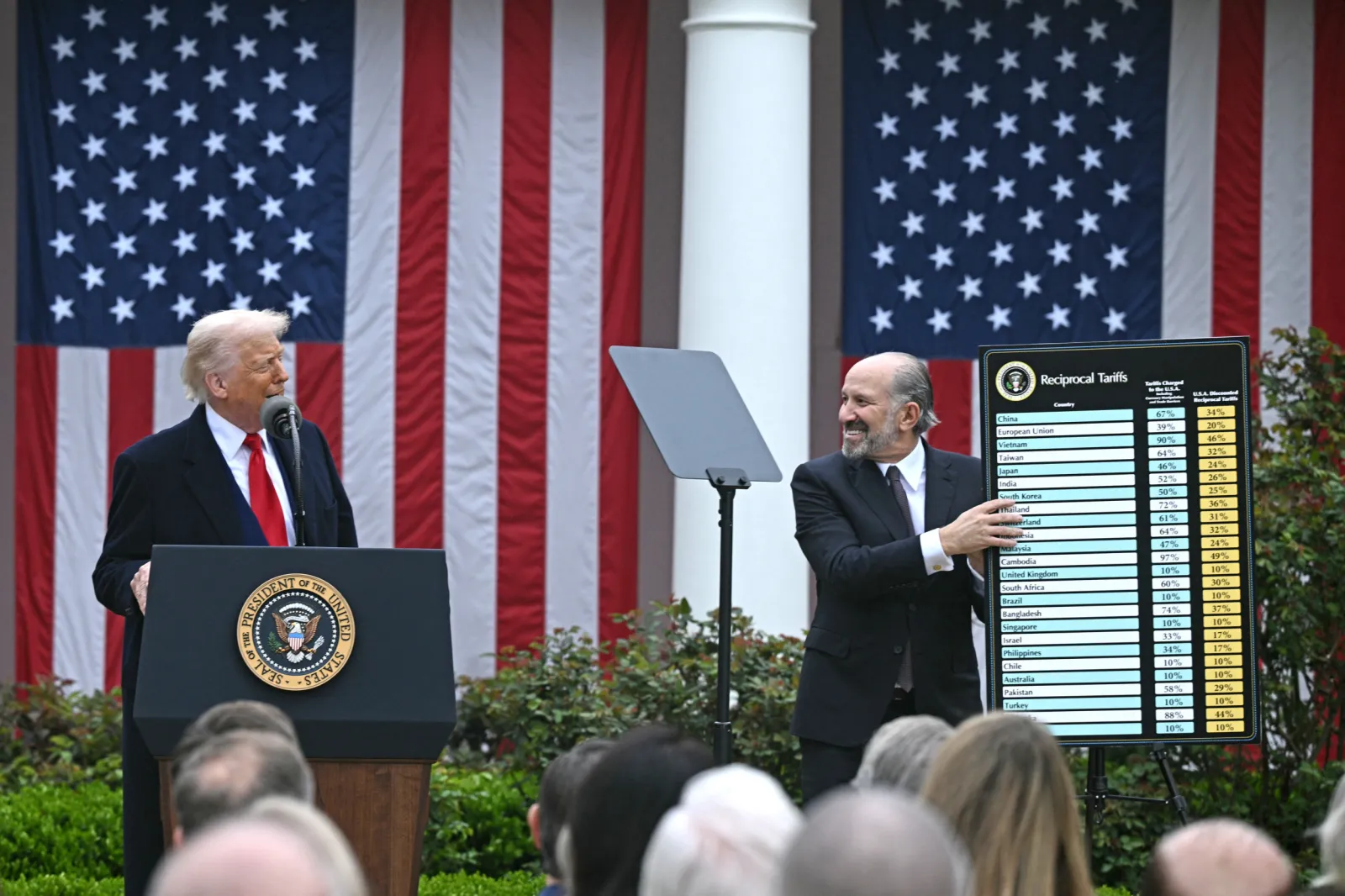
In April, President Trump imposed a 17 percent tariff on certain Israeli imports, citing concerns about the cost of U.S. financial aid to Israel and the need to protect American industries. This tariff shocked Israeli officials and businesses, raising questions about the future of economic cooperation. While trade between the two countries has historically been strong, the tariffs signaled a more transactional and contentious phase in economic relations.
...
5. Middle East Trip
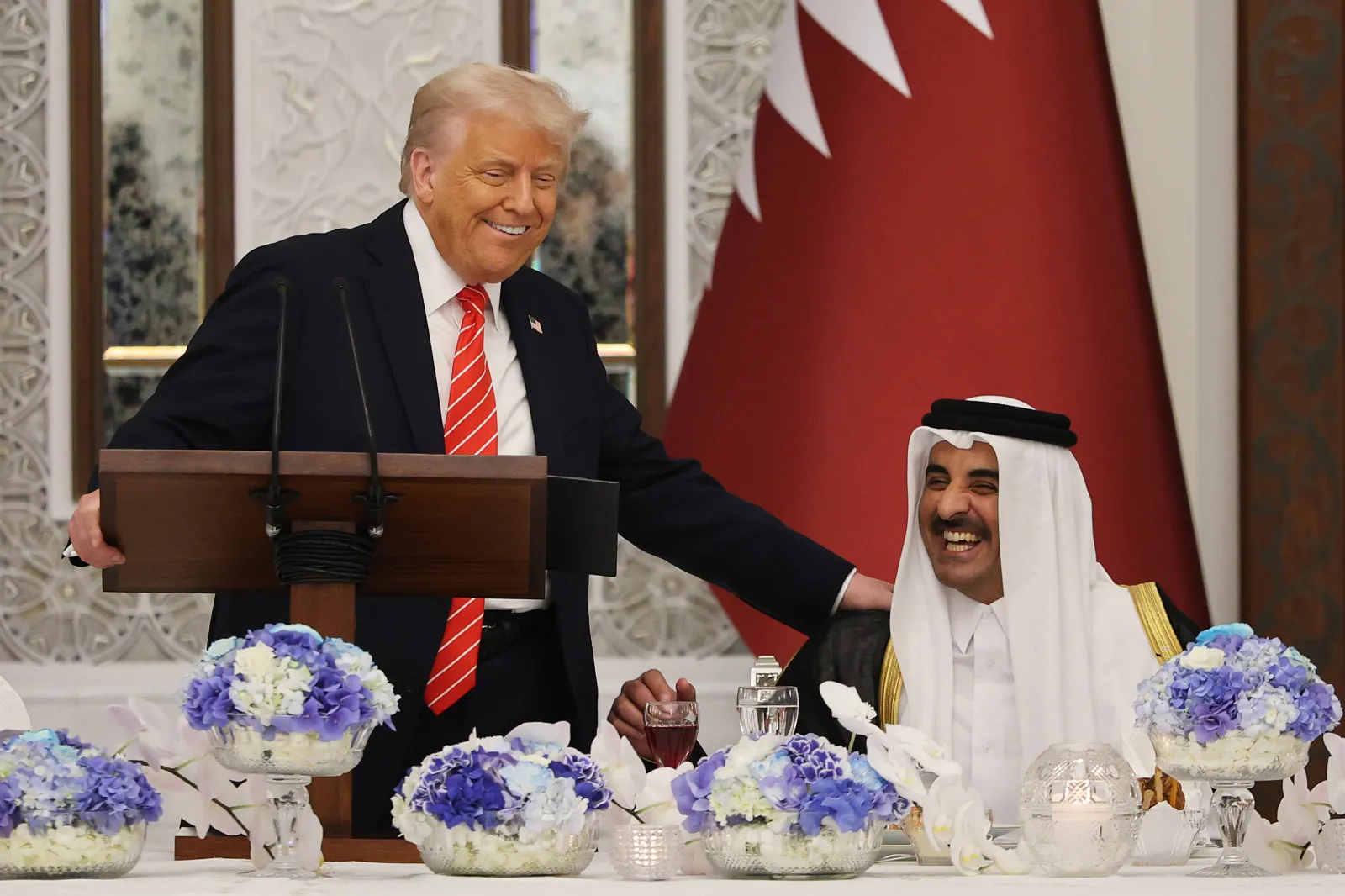
Perhaps the clearest symbol of the fraying personal relationship was Trump's recent Middle East tour, which included visits to Saudi Arabia, Qatar, and the UAE but conspicuously omitted Israel. Despite Israeli lobbying efforts, Trump chose not to include Netanyahu or Israeli officials on the trip. This decision raised eyebrows across the region, signaling a shift in U.S. diplomatic priorities away from the traditionally close U.S.-Israel axis and toward Gulf partners.
What People Are Saying
**Trita Parsi, Executive Vice President of the Quincy Institute for Responsible Statecraft told *Newsweek: "***Trump has not turned against Israel, but he's not willing to make an exception to America First. In matters that he finds important, he will not defer to Israel and allow Israel's interest to be prioritized over that of the U.S. So on Iran, Yemen, and Israel's efforts to push the U.S into more wars in the Middle East, he pushes back. But on Gaza, he is still deferring to Israel."
Israeli TV host and commentator Dana Fahn Luzon said: "Trump is signalling to Netanyahu, 'Honey, I've had enough of you.'"
What Happens Next
The widening rift between Trump and Netanyahu underscores a complex dynamic where personal and political disagreements threaten to overshadow a historically strong U.S.-Israel alliance. How these leaders navigate their differences will significantly influence the trajectory of regional diplomacy, security cooperation, and the broader stability of the Middle East.
...
View 0 Comments
Submit Correction
View Editorial & AI Guidelines