...


By Aliss Higham and Anna Skinner
0
Share
Newsweek is a Trust Project member
See more of our trusted coverage when you search.Prefer Newsweek on Googleto see more of our trusted coverage when you search.
A 25-year-old Italian man is now displaying symptoms consistent with hantavirus after being aboard the same KLM plane as a woman who later died from the virus, Italian news agency ANSA reported.
The man was on board the plane with the South African woman for a brief time, but she disembarked before the plane left Johannesburg, Reuters reported. Italian infectious disease experts are analyzing samples from the man, who has since been hospitalized.
Meanwhile, public health officials in the United States are monitoring three King County, Washington, residents after they were potentially exposed to the Andes strain of hantavirus linked to the cruise ship. Two of the residents were seated near a sick cruise ship passenger while on an airplane. The World Health Organization (WHO) maintains there is no sign of a larger hantavirus outbreak.
Read More on World
A Spanish passenger evacuated from the MV Hondius cruise ship has tested positive for hantavirus, Spain’s health ministry said Tuesday, marking another case linked to an outbreak that has now reached 11 confirmed infections and left three people dead, according to the WHO.
The latest developments come after passengers and some crew members were evacuated from the expedition vessel in Spain’s Canary Islands and repatriated for monitoring and treatment.
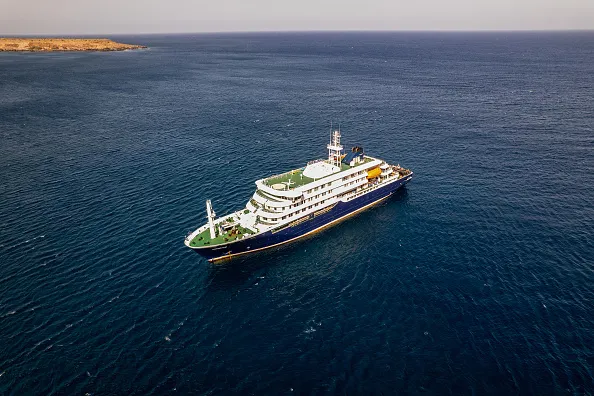
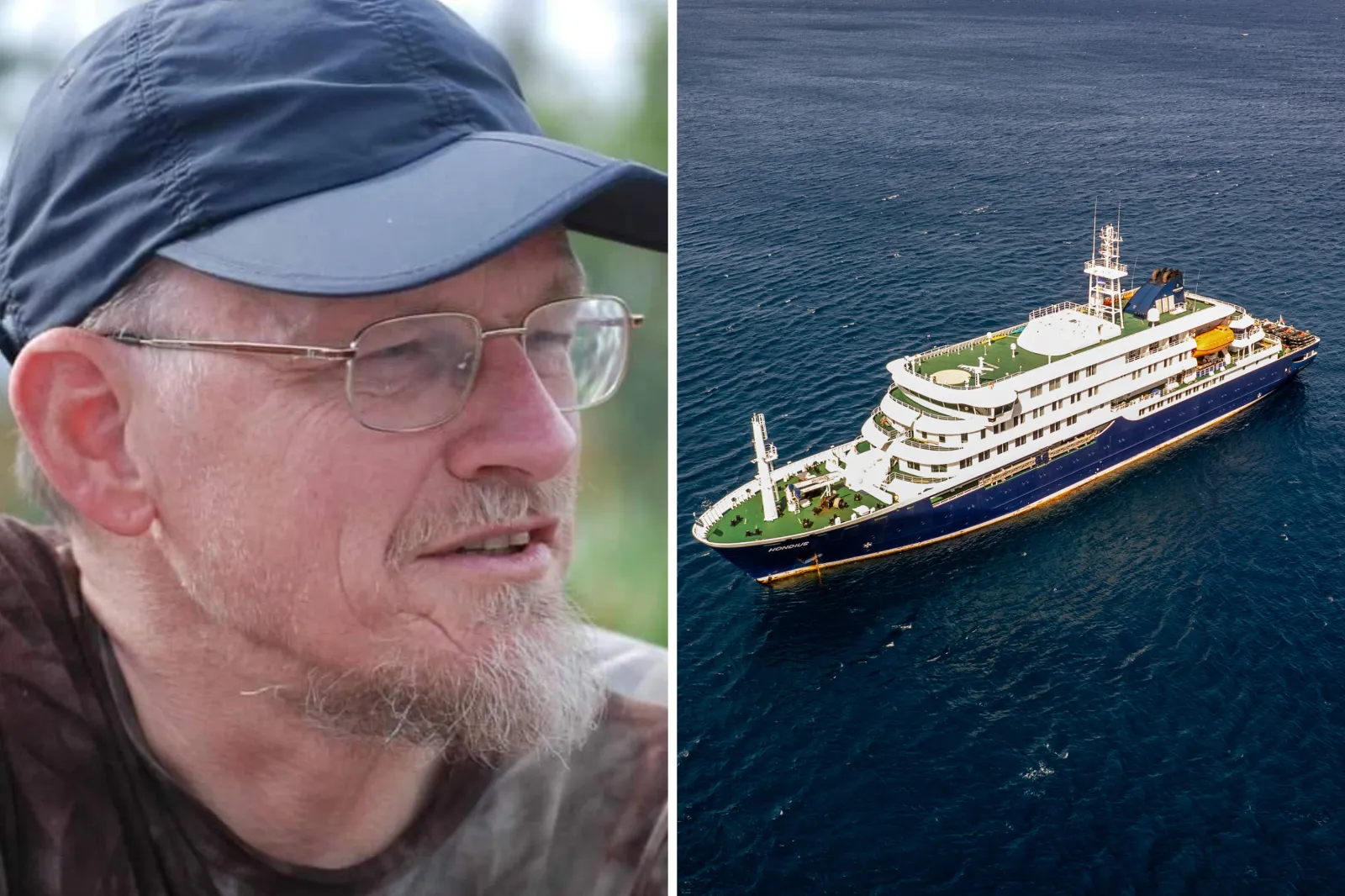
The MV Hondius, a Dutch expedition cruise ship operated by Oceanwide Expeditions, became the center of an international health emergency after a rare outbreak of the Andes strain of hantavirus was detected onboard during a voyage that began in Argentina in April. The ship, carrying passengers and crew from more than 20 countries, reported multiple severe illnesses and at least three deaths as it traveled through the South Atlantic.
The WHO, Centers for Disease Control and Prevention (CDC) and European health agencies have all said the risk to the wider public remains low, though more cases could come to light in the coming days and weeks.
Spain Reports New Cruise Infection
The Spanish passenger evacuated from the Hondius who tested positive for hantavirus was already in quarantine at a military hospital in Madrid, where 13 other Spanish nationals evacuated Sunday are also being monitored. All 13 have tested negative. With passengers and most crew now off the vessel, the Hondius is sailing back to the Netherlands for cleaning and disinfection.
WHO officials, speaking from Madrid, said all 11 reported cases worldwide involve passengers or crew from the same ship. Nine have been confirmed as Andes virus infections, a member of the hantavirus family, while two additional suspected cases remain unconfirmed.
Dutch Doctors

...
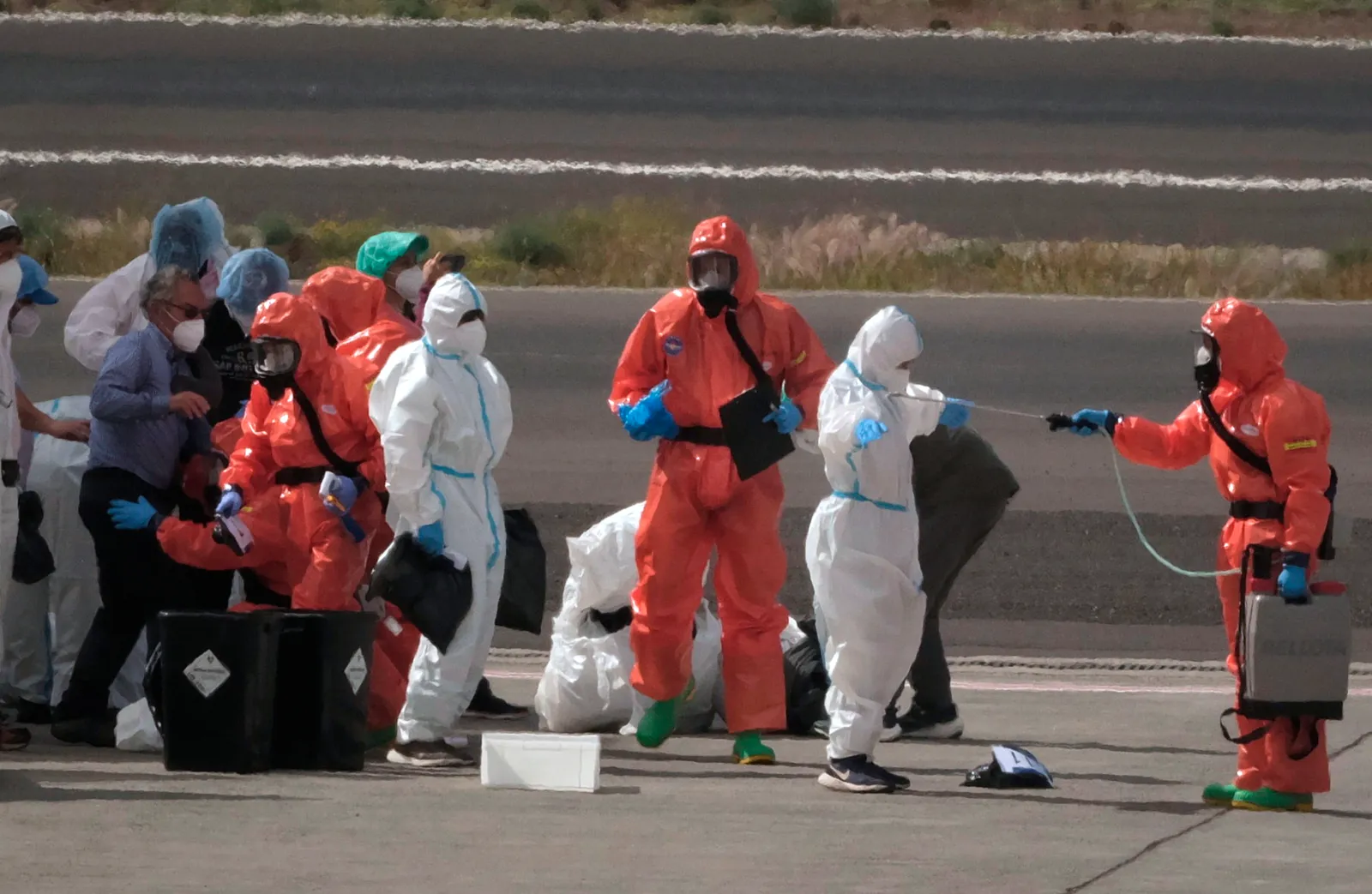
Twelve employees at the Radboudumc University Medical Center in Nijmegen have been placed in preventive quarantine for six weeks after a hantavirus patient from the Hondius was treated using procedures that were later deemed insufficient for the virus involved.
In a statement, the hospital said a patient infected with hantavirus had been admitted on May 7. During the patient’s treatment, blood and urine were initially handled using standard procedures rather than the stricter protocols recommended for the virus.
The hospital said that blood samples were processed using routine methods at the time of admission, before staff realized that enhanced safety procedures should have been used. It later emerged that updated international guidance had also not been followed when disposing of the patient’s urine.
...
“Because of these circumstances, twelve employees will go in preventive quarantine for six weeks as a precaution, despite the fact that the chance of infection is small,” the hospital said.
Bertine Lahuis, chair of the executive board at Radboudumc, said: "Despite the fact that the chance of actual infection is very small, these measures have a major impact on all those involved. We regret that this happened in our umc. We will carefully investigate the course of events to learn from this so that it can be prevented in the future."
She added that the hospital would continue to support affected staff members and would remain prepared to receive additional patients if necessary.
RFK Jr.: 'We Have This Under Control'
U.S. Health and Human Services Secretary Robert F. Kennedy Jr. said Monday that American authorities had acted quickly in response to the outbreak and were confident the situation was contained.
Speaking during an Oval Office press conference focused on mental health, Kennedy responded to questions about the government’s handling of the outbreak after President Donald Trump defended his decision to withdraw the U.S. from the WHO.
The United States completed its withdrawal from the United Nations agency on January 22, 2026. Trump said he remained “glad” the U.S. had exited the WHO and said the U.S. contributed too much funding to the organization.
Asked whether U.S. public health agencies were adequately prepared for a possible outbreak despite staffing and funding reductions during Trump’s second term, Kennedy pointed to the federal response already underway.
...
“We’ve had CDC teams on it from day one,” Kennedy said. “I was speaking with the University of Nebraska since the second day of the outbreak. I was speaking with Governor Pillen of Nebraska. We had a CDC team at Tenerife. We had airplanes ready to take the patients, the 17 patients off the vessel and transport."
“Two of them went to Atlanta. One of those was symptomatic. They’re in a biocontainment lab in Atlanta. The other 16 are now in Nebraska. One of them is symptomatic.”
“We have this under control, and we’re not worried about it,” Kennedy added.
Eighteen Americans and seven Canadians from the cruise ship have now returned to the U.S. and Canada for evaluation and isolation. Most of the U.S. passengers are being monitored at the University of Nebraska Medical Center in Omaha, while two individuals are isolating in Georgia.
Health officials confirmed that one American passenger tested positive for the Andes variant while not showing symptoms, while another American is symptomatic.
Cruise Ship Repatriation Completed
Oceanwide Expeditions, the operator of the Hondius, said all guests and a limited number of crew members had now disembarked in Granadilla in the Canary Islands.
In its latest statement on May 11, the company said 122 people in total (87 guests and 35 crew members) had been transferred to aircraft bound for their home countries or the Netherlands.
“Oceanwide Expeditions would like to thank the local authorities in the Canary Islands for their support in facilitating this transfer, led, overseen, and facilitated by the WHO and international governments,” the company said.
The vessel has since departed Granadilla and is sailing toward Rotterdam with 25 crew members and two medical professionals on board, conducting ongoing health monitoring during the voyage.
Oceanwide Expeditions said the body of a German passenger who died aboard the vessel on May 2 remains onboard and will be repatriated once the ship arrives in the Netherlands.
What Is Hantavirus?
Hantavirus refers to a family of viruses primarily spread through rodents and their bodily waste. People typically become infected after inhaling airborne particles from rodent urine, saliva or droppings. The viruses can cause two major illnesses: hantavirus pulmonary syndrome, which mainly affects the lungs, and another form that targets the kidneys.
Hantavirus pulmonary syndrome, found most commonly in the Americas, carries a fatality rate of about 40 percent.
Symptoms often begin with fatigue and fever between one and eight weeks after exposure. Several days later, patients may develop coughing, shortness of breath and fluid buildup in the lungs. There is currently no specific antiviral treatment for hantavirus infections, with medical care focused largely on supportive treatment such as fluids, rest and respiratory support where needed.
Despite concerns sparked by the outbreak aboard the Hondius, experts say hantaviruses are not considered likely pandemic threats because person-to-person transmission is unlikely.
Nikhil Bhayani, M.D., an assistant professor of internal medicine at the Burnett School of Medicine at Texas Christian University, told Newsweek that the WHO’s assessment that the public risk remains low is consistent with the broader scientific understanding of the virus.
“Hantavirus is very unlikely to cause a pandemic, and the WHO's assessment aligns with the scientific consensus,” Bhayani said. He explained that most hantaviruses rely on rodent-to-human transmission, making people “essentially dead-end hosts for most species.”
“Only one hantavirus species—Andes virus—has documented person-to-person transmission, and even this is rare and inefficient,” he added.
WHO director general Dr. Tedros Adhanom Ghebreyesus said at a press conference that nine of the eleven hantavirus cases have been confirmed to have the Andes strain, "and the other two are probable."
View 0 Comments
Submit Correction
View Editorial & AI Guidelines