...

By Amir Daftari
News Reporter
0
Share
Newsweek is a Trust Project member
See more of our trusted coverage when you search.Prefer Newsweek on Googleto see more of our trusted coverage when you search.
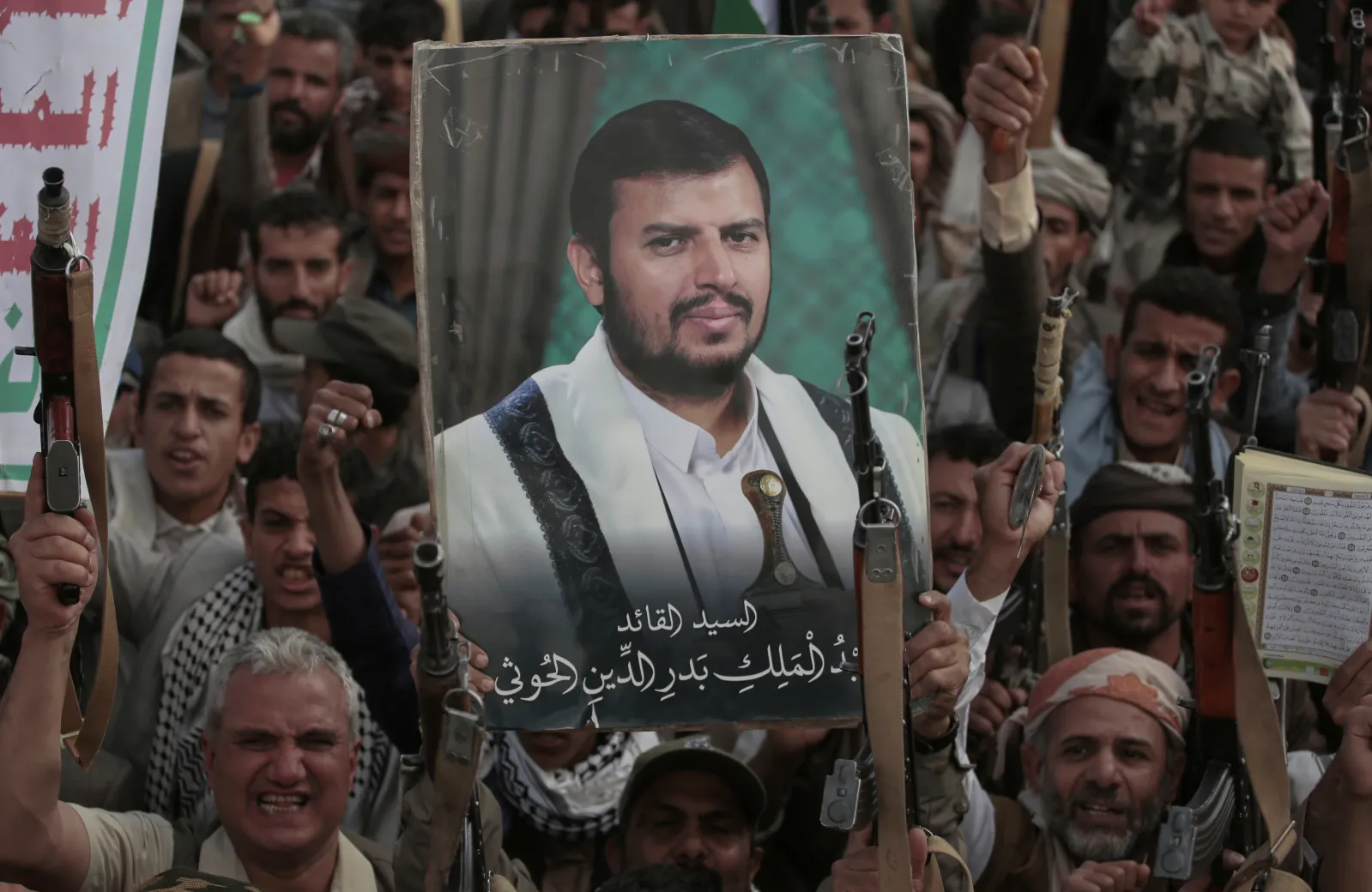
Houthi officials denied Israeli claims that senior leaders were killed in Thursday's air strikes on Yemen's capital Sanaa, calling reports of casualties "fake news."
The Israel Defense Forces (IDF) said the attacks precisely targeted Houthi military and political figures after the group launched missiles and drones toward Israel. Yemeni opposition outlets, however, reported that Houthi Prime Minister Ahmed al-Rahawi was among those eliminated.
Newsweek has reached out to the IDF for comment.
Read More on News
Why It Matters
The attack underscores the deepening regional spillover of the war in Gaza, with the Houthis escalating cross-border drone and missile assaults against Israel. By striking in Sanaa, Israel demonstrated its willingness to expand operations against Iranian-backed groups it sees as destabilizing the region.
The Houthis' denials, however, highlight the information war accompanying the conflict, with each side seeking to shape perceptions of success and failure.
...
What To Know
Yemeni outlets aligned with opponents of the Houthis said al-Rahawi was killed in the Bayt Baws neighborhood of Sanaa while in an apartment with several associates. They also reported that the Houthi defense minister and chief of staff were eliminated in a strike near the presidential palace compound during what was described as a cabinet-level meeting.
Israeli sources said they believed the operation was successful, although Abdul-Malik al-Houthi, the group's leader, was not present.
A post by an account called The Informant on X shared images purporting to show massive Israeli air strikes on Houthi targets in Sanaa, although their authenticity has not been independently verified.
Israeli Military Confirms Strikes
The IDF said it carried out strikes against what it called "a Houthi terrorist regime military target" in Sanaa. Defense Minister Israel Katz and IDF Chief of Staff Eyal Zamir approved the operation after consultations with Prime Minister Benjamin Netanyahu.
Military officials said the strikes were in response to repeated Houthi attacks, including two drones intercepted on Thursday and a missile launched a day earlier. The operation coincided with a televised speech by al-Houthi, signaling Israel's intent to project deterrence.

...
Strikes Amid Ongoing Escalation
Thursday's strikes came days after Israeli attacks that killed at least 10 people and injured 92, according to Houthi authorities. Those earlier strikes hit oil and power facilities, although Israel said the targets included military infrastructure near the presidential palace.
The Houthis, for their part, have escalated attacks on Red Sea shipping and continued to fire missiles at Israel in solidarity with Gaza. Israel has vowed to intensify its campaign against the group.
What People Are Saying
Israel Defense Minister Israel Katz: "As we warned the Houthis in Yemen, after the Plague of Darkness comes the Plague of the Firstborn. Whoever raises a hand against Israel—his hand will be cut off."
Houthi leader Mahdi al-Mashat: "The strikes were failures and will remain failures, and our long arm will teach them the necessary lesson."
What Happens Next
With both Israel and the Houthis escalating operations and denying one another's claims, the cycle of strikes and counterstrikes shows little sign of slowing, raising risks of broader regional conflict.
View 0 Comments
Submit Correction
View Editorial & AI Guidelines