10
Loading video...

By Joe Edwards
Reporter
0
Share
Newsweek is a Trust Project member
See more of our trusted coverage when you search.Prefer Newsweek on Googleto see more of our trusted coverage when you search.
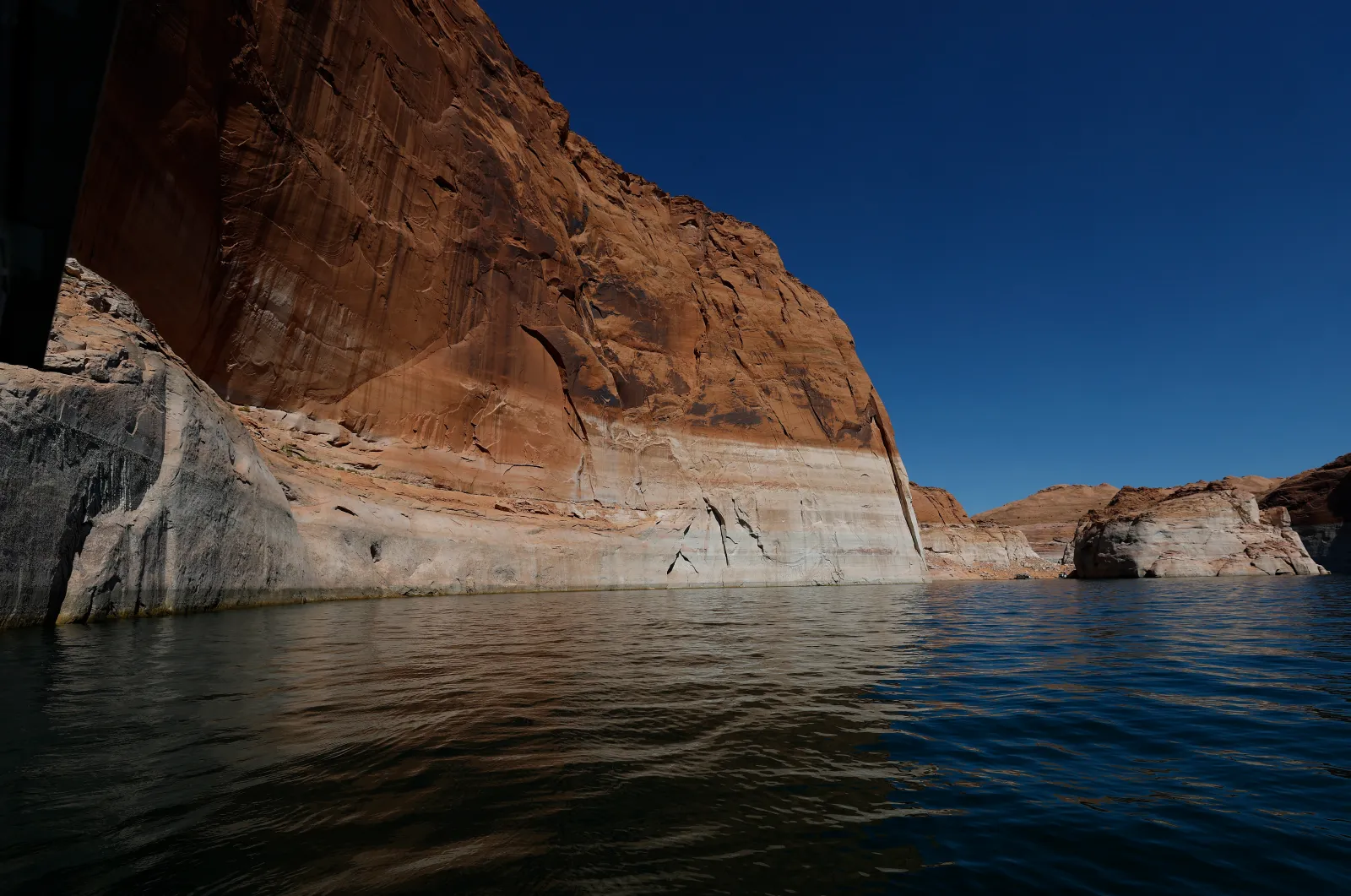
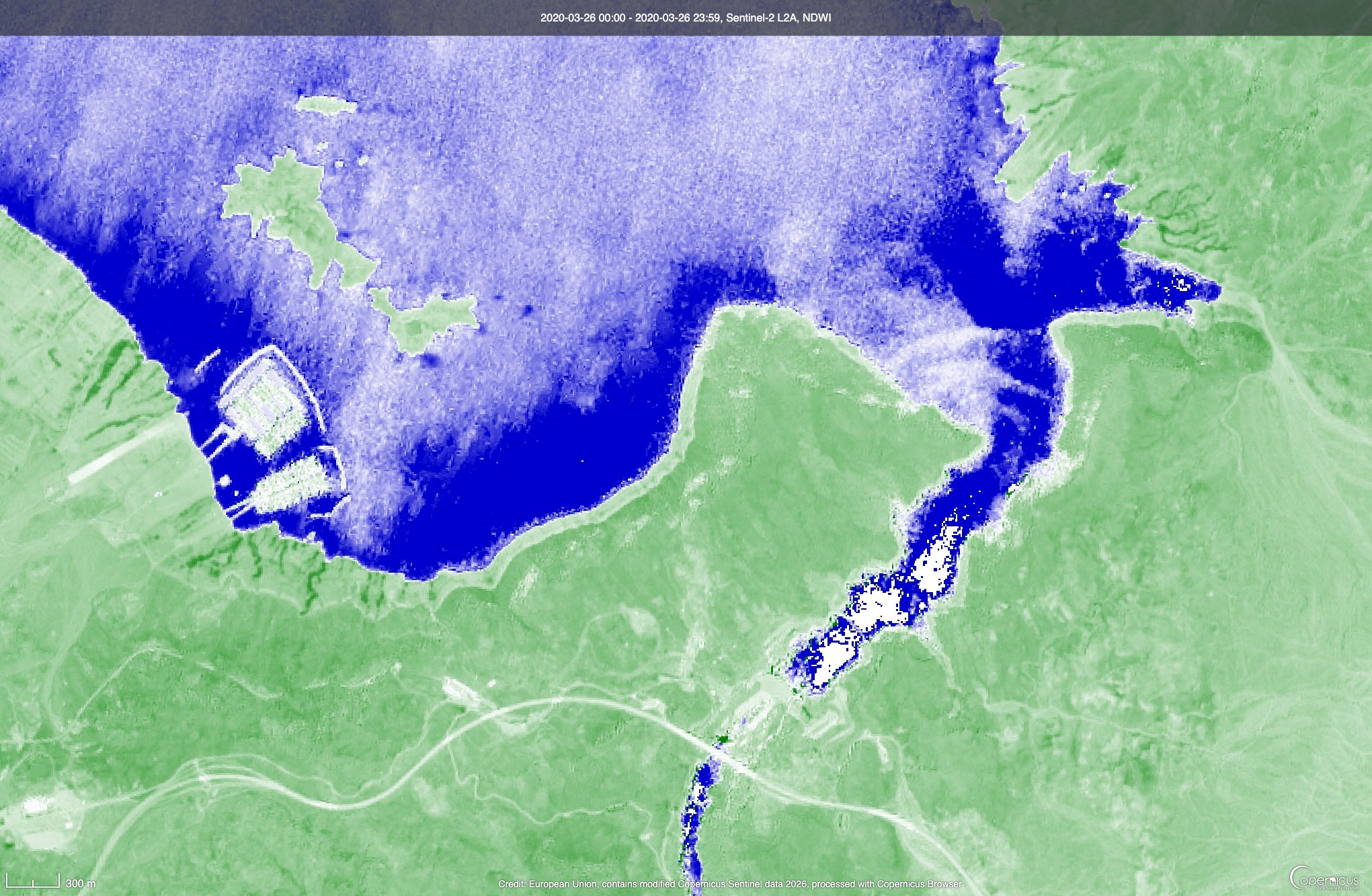
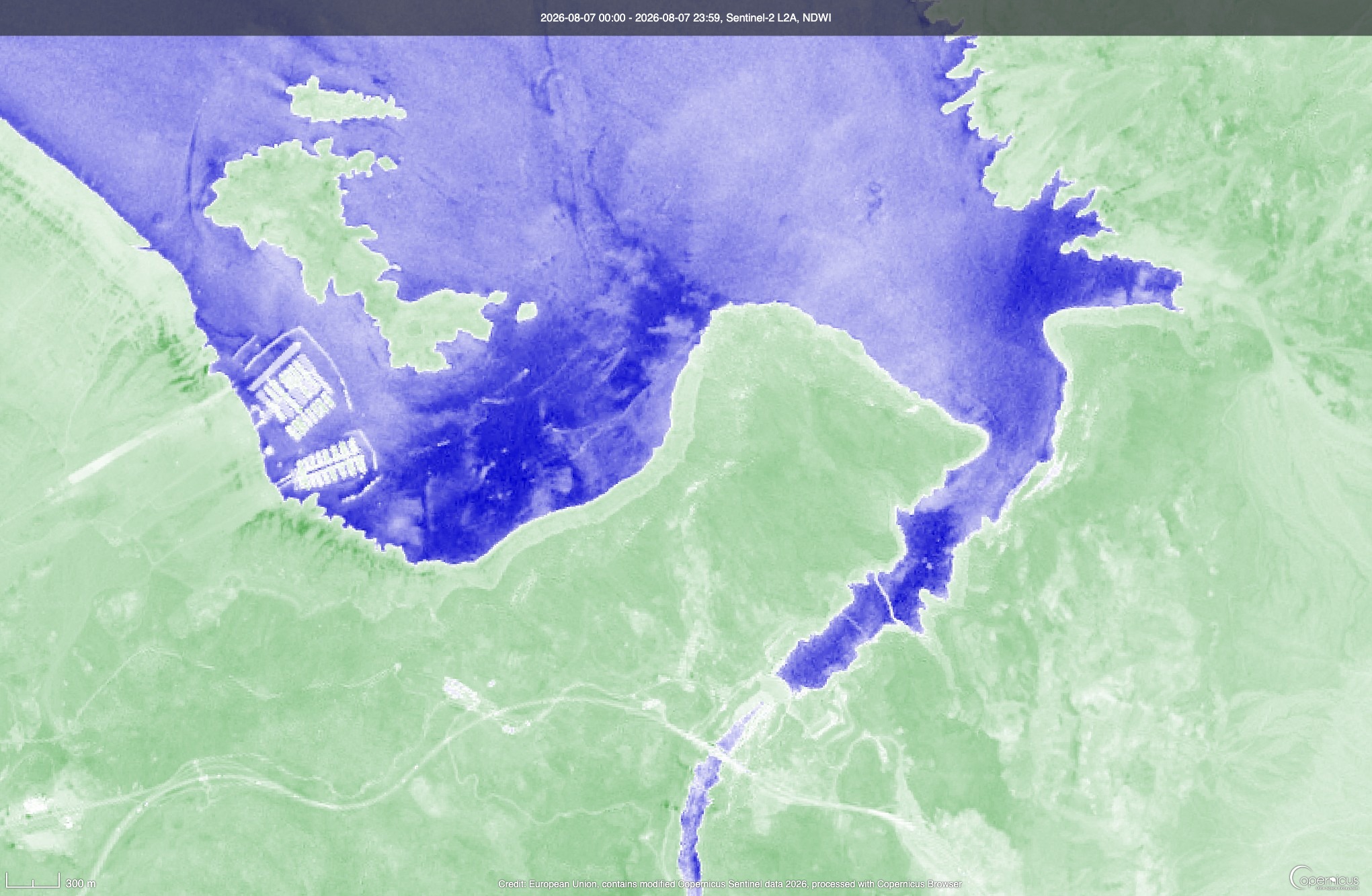
Lake Mead has fallen to its lowest level since it was filled nearly 90 years ago, a new marker in the worsening crisis on the Colorado River.
The nation’s largest reservoir, which sits between Arizona and Nevada near Las Vegas, dropped to about 1,040.4 feet above sea level on Friday, according to federal data, edging below the previous record set in July 2022.
The number matters because Lake Mead is not just a lake. Formed by Hoover Dam in the 1930s, it is a central storage point in a river system that supplies cities, farms, tribes, industries and power users across the West.
Read More on U.S.
The Colorado River supports seven U.S. states—Arizona, California, Colorado, Nevada, New Mexico, Utah and Wyoming—and Mexico. It provides water supply, hydropower, recreation, fish and wildlife habitat, and other benefits. Agricultural uses account for about 70 percent of Colorado River water, while between 35 million and 40 million people rely on it for at least part of their municipal supply, according to the Bureau of Reclamation.
...
A System Under Pressure
The Colorado River system has been under long-running stress from drought, rising temperatures and demand that exceeds the river’s reliable supply. The system depends heavily on Rocky Mountain snowpack, which melts into the river and feeds Lake Powell upstream before water moves through the Grand Canyon to Lake Mead. The Bureau of Reclamation’s July 2026 24-Month Study said observed unregulated inflow into Lake Powell in June was just 12 percent of the 1991-2020 average, while the April through July forecast was 17 percent of average.
Federal projections show Lake Mead is likely to keep falling. In Reclamation’s July 2026 “most probable” scenario, the reservoir is projected to end the year at around 1,037.3 feet above sea level, lower than the record level reported this week.
Lake Mead remains well above “dead pool,” which Reclamation lists at 895 feet and which refers to the level below which water can no longer be released downstream by the dam; Hoover Dam hydropower would be affected earlier, with Reclamation saying the dam can generate power down to an estimated 950 feet.
"Lake Mead’s record low is discouraging but not surprising," Sarah Porter, director of the Kyl Center for Water Policy at Arizona State University told Newsweek. "The reservoir will likely recover at least a little this winter, and with very heavy snowpack it could recover a lot, but levels at both Lake Mead and Lake Powell have ratcheted down over the last quarter century and one good winter won’t be enough to stabilize the system over the long term."
Related Story

Major Wins and Losses for Lake Mead Under New Government Plan
Mead and Powell Are Falling Together
Researchers have warned that the problem is bigger than Mead alone. A July analysis by Colorado River scholars found that combined live storage in Lakes Mead and Powell reached 12,675,509 acre-feet on July 12, the lowest total since May 1957, before Lake Powell began filling. The authors wrote that the system’s ability to offset use that exceeds supply with reservoir releases “is not infinite and is speedily diminishing.”
The researchers said that “every day going forward” is likely to set a new record low for combined Mead and Powell storage until runoff from the 2026-2027 winter snowpack begins next spring. That warning tracks the scholars’ finding that combined storage had been falling by thousands of acre-feet a day in 2026, including about 16,000 acre-feet per day since March except during May, when snowmelt and supplemental releases helped temporarily slow the decline.
Jack Schmidt, director of the Center for Colorado River Studies at Utah State University, told CNN last week that breaking the record showed the basin’s “uncharted territory,” while Kathryn Sorensen of Arizona State University’s Kyl Center for Water Policy compared Mead and Powell to the region’s “savings account” that has been drawn down for years.
A Reclamation spokesperson said that it and the Department of the Interior remained "committed to reducing the collective risk of both Lake Powell and Lake Mead falling below critical elevations to protect critical infrastructure to continue to meet the water and hydropower needs of the basin."
On July 31, the Interior Department and Reclamation released a final environmental review for post-2026 operations of Lake Powell and Lake Mead, setting out a 10-year adaptive framework through 2036. The framework allows annual releases from Powell between 5 million and 12 million acre-feet, Lower Basin shortages of up to 3 million acre-feet, and storage of conserved water in both reservoirs, while leaving room for basin states to reach consensus agreements.
...
Ideas to Ease the Crisis
Ideas being floated to help alleviate stress on the system range from near-term conservation to more structural changes.
Proposals previously highlighted by Newsweek included expanded water recycling, desalination, changes to agricultural practices, and the prioritization of Lake Mead over Lake Powell.
Schmidt told Newsweek that reservoirs are currently so low that “very large cuts” would have to be made come spring, even if winter is only moderately dry.
“Even a wet winter doesn’t eliminate the immediate crisis,” he said.
"Whether or not storage in Lake Mead rebounds is largely dependent on Lake Powell. The Bureau of Reclamation seems very determined to protect critical elevations at Lake Powell, which means releases downstream to Lake Mead will likely be small unless we start having some drastically wetter winters," Doug Kenney, director of the Western Water Policy Program at the University of Colorado told Newsweek.
Kenney added: "There’s no hope for a rebound in storage until next spring when the snow in the Rockies begins its annual melt."
Update, 8/11/26, 12:22 p.m. ET: This article was updated with additional comments.
Contact Newsweek editors on this story: Tobias Meyjes, Sam Wilson and Cristina Diciu.
View 0 Comments
Submit Correction
View Editorial & AI Guidelines