
...

By Sam Stevenson
Associate News Editor
0
Share
Newsweek is a Trust Project member
See more of our trusted coverage when you search.Prefer Newsweek on Googleto see more of our trusted coverage when you search.
Leaders across several countries are addressing their nations on Wednesday as the Iran war intensifies, energy prices surge and governments move to explain how the conflict is affecting daily life.
Why It Matters
The U.S.-led war with Iran has disrupted global energy supplies, driven fuel prices sharply higher and strained relations among allies, placing governments under pressure to reassure the public and outline next steps.
Read More on News
...
What To Know
As the conflict enters its second month, several world leaders are speaking directly to their populations, reflecting how the war's impact has spread well beyond the battlefield.
Whether it's fuel costs or national security, the addresses highlight growing economic anxiety and diverging political responses among allies.
United States
U.S. President Donald Trump is set to deliver a prime‑time address at 9 p.m. Eastern time after repeatedly criticizing allies for not doing enough to support the U.S. war effort.
He has suggested American forces could exit the conflict within weeks and said securing the Strait of Hormuz should fall to countries that rely on it for energy supplies.
Australia
Australian Prime Minister Anthony Albanese is giving a rare national address focused on the war's economic fallout, particularly its impact on fuel prices.
He is due to speak around 7 p.m. Australian Eastern Daylight Time, broadcasting live nationwide on television and radio.
His government has urged Australians to conserve fuel and outlined measures aimed at cushioning households and businesses from rising costs tied to disrupted global energy markets.
United Kingdom
British Prime Minister Keir Starmer is also set to address the public as pressure grows over Britain's stance on the conflict.
Starmer is expected to speak mid-morning British Summer Time, the BBC reported.
While stressing that the U.K. will protect British lives and interests, Starmer has repeatedly said the war is not Britain's and has ruled out direct involvement, even as energy prices and security concerns weigh on households.
Rising Oil Prices and Growing Strains as War Expands
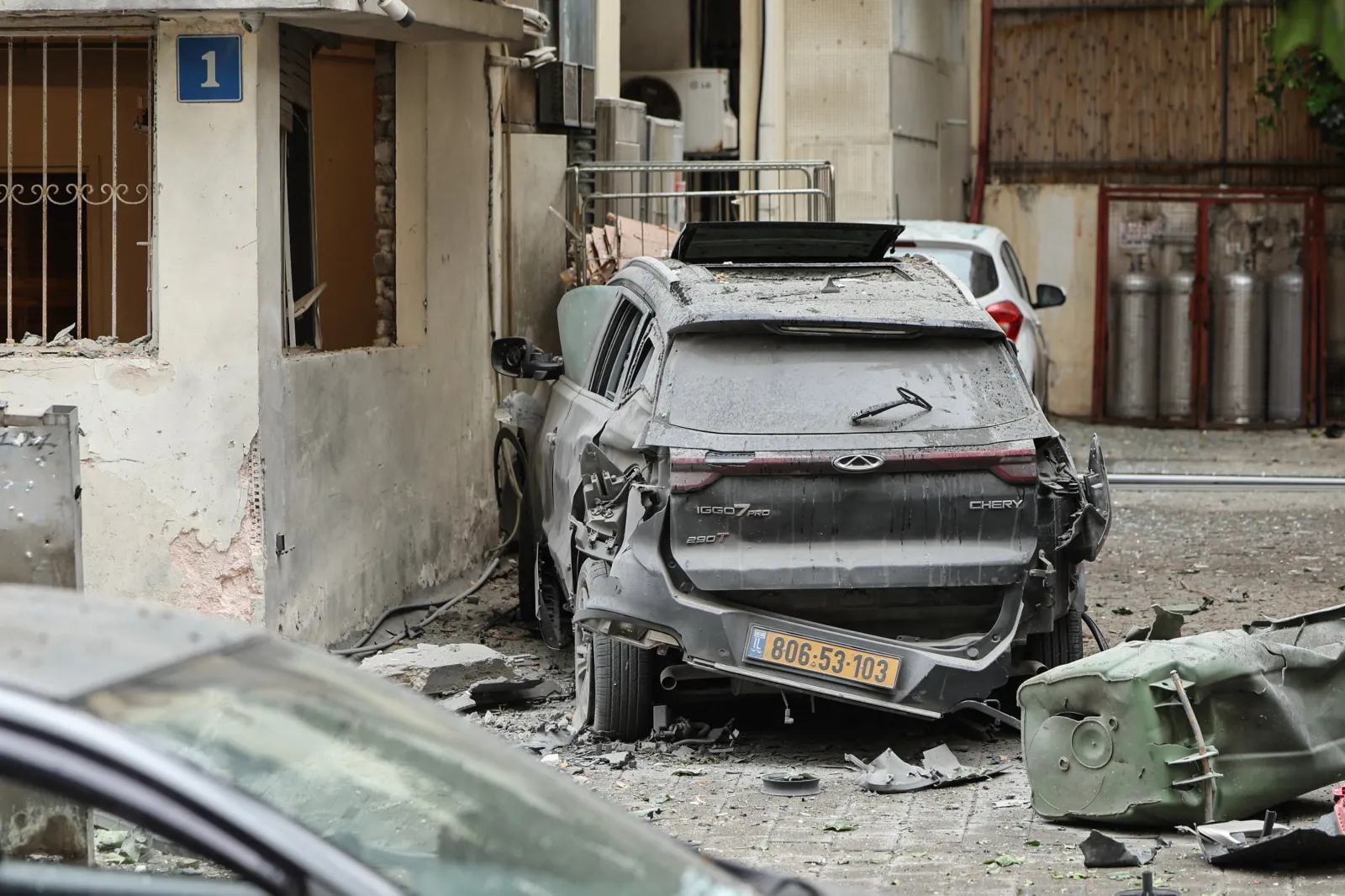
Fighting has continued on multiple fronts, with sustained U.S. and Israeli airstrikes targeting Iranian military and government sites, while Iran has launched missile and drone attacks against Israeli and American interests across the region.
Tehran has also tightened control over the Strait of Hormuz, a critical global energy choke point, fueling fears of prolonged disruptions to oil and gas shipments and sending energy markets higher.
Those developments have heightened alarm among U.S. allies and trading partners as fuel prices climb and the risk of broader economic fallout grows.
Global oil markets have reacted sharply, with Brent crude rising to about $107 a barrel—more than 45 percent above prewar levels—amid Iranian pressure on shipping lanes and attacks on regional energy infrastructure.
Trump has repeatedly suggested the conflict could end sooner rather than later, even as his administration continues to warn Iran against further escalation.
The looming address comes as Washington sends mixed signals over whether the priority is de‑escalation, sustained military pressure or concessions from Tehran.
At the same time, Trump has criticized allies for staying out of the conflict, singling out countries such as France, Spain and Italy for limiting airspace or base access, despite their insistence that ties with the U.S. remain strong.
The war's reach has continued to expand, marked by the kidnapping of an American journalist in Baghdad and the deployment of a third U.S. aircraft carrier to the Middle East, as Trump warns the U.S. could escalate further if a ceasefire is not reached and the strait remains closed.
...
What Happens Next
Attention now turns to whether diplomatic efforts gain traction or fighting continues, with markets and allies watching closely for signals on a ceasefire, energy flows through the Strait of Hormuz and possible further military escalation.
Update 4/1/26, 4:33 a.m. ET: This article has been updated with additional information.
View 0 Comments
Submit Correction
View Editorial & AI Guidelines