...

By Hatty Willmoth
Food & Nutrition Reporter
0
Share
Newsweek is a Trust Project member
See more of our trusted coverage when you search.Prefer Newsweek on Googleto see more of our trusted coverage when you search.
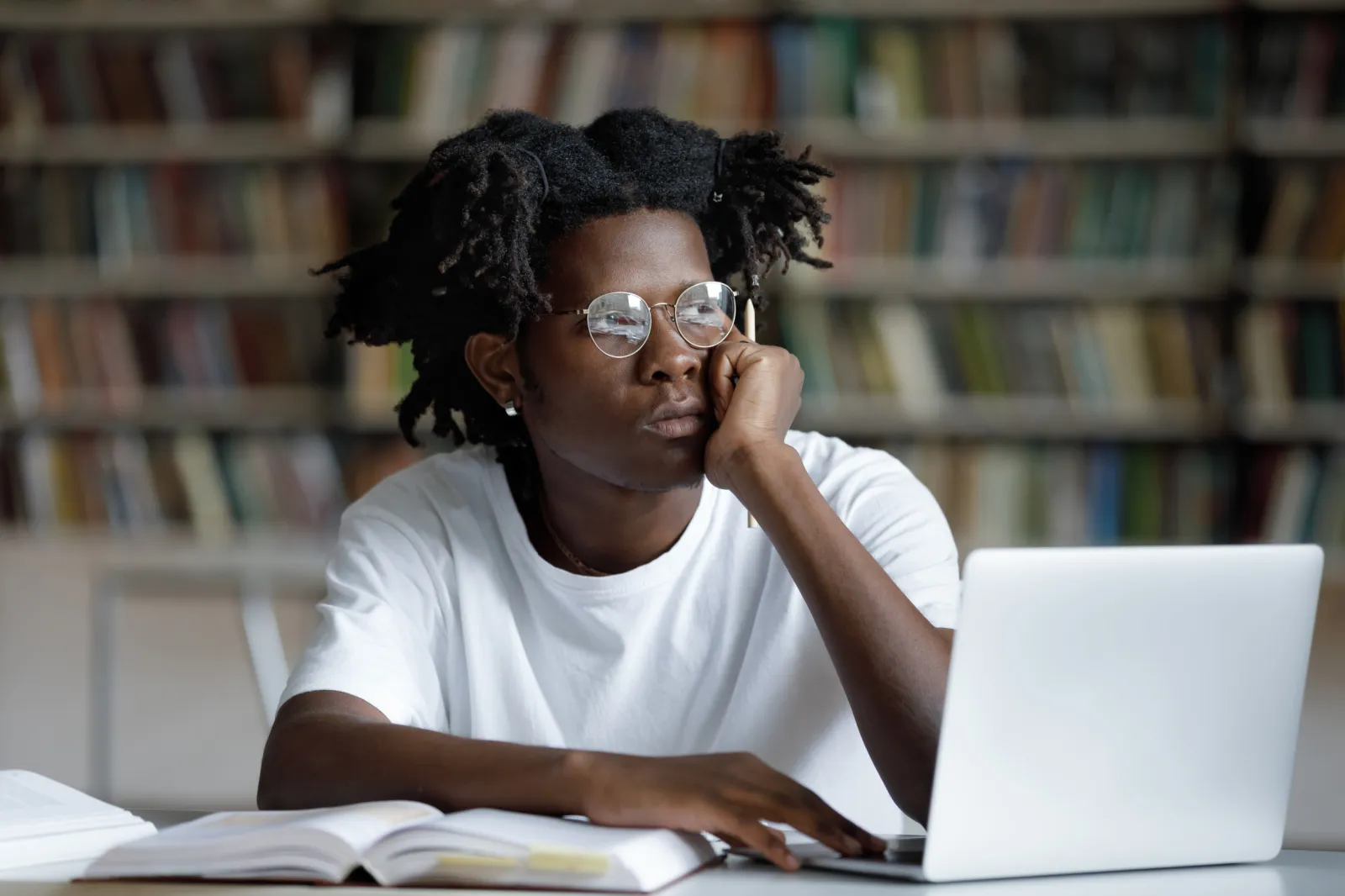
College students who struggle to fall asleep are likely to also feel lonely, according to a study from Oregon State University (OSU).
Out of 1,000 undergraduates that the psychologists studied, 35 percent said they felt lonely—and these students were almost twice as likely to report insomnia symptoms compared to their non-lonely peers.
"Insomnia is detrimental to the health of college students," said study co-author Jessee Dietch, assistant professor of psychological science, psychologist and sleep medicine practitioner, in a statement. "It has been consistently associated with increased stress, anxiety and mood disturbance, as well as decreased academic performance."
Read More on Health
Loneliness and Insomnia Epidemic
The psychologists said that insomnia and loneliness were at epidemic levels among young adults in higher education. That loneliness could disrupt sleep by making students more sensitive to stress, so they were more likely to lie awake at night, worrying.
"From an evolutionary perspective, [scientists] John Cacioppo and Louise Hawkley proposed that the lack of feeling of safety and security brought about by perceived social isolation can make someone more vigilant to threats, which can interrupt sleep," John Sy, graduate student in OSU's School of Psychological Science, told Newsweek.
"Loneliness is also linked to rumination, greater sensitivity to stress, and depression, which are disruptive to sleep."
Sy added that the relationship between loneliness and poor sleep was bidirectional, meaning poor sleep could also cause social withdrawal and loneliness.
...
Screen Time
The scientists also looked at screen time, and found there was a link between more than eight hours of screen time per day and sleep problems, but this wasn't as strong as the link with loneliness.
"We often point to screen time as being bad for our sleep; and it can be, to a point," said Sy. "We found that loneliness may play a larger role in insomnia than screen time.
"Perhaps instead of solely focusing on reduced screen time to improve sleep, it may also be helpful to create and maintain positive social connections. However, we do need more research to determine this."
Among students who did not report feeling lonely, spending more time in front of a screen could increase the risk of sleep problems, the psychologists found.
However, lonely students were more likely to experience insomnia regardless of how much time they spent at screens.
"More screen time does appear to be associated with greater insomnia symptoms, but it seems that this is only the case for individuals who are not very lonely," said Sy. "For lonelier adults, their insomnia symptoms were elevated regardless of the amount of screen time."
The Centers for Disease Control and Prevention (CDC) estimates that 1 in 3 adults in the U.S. report feeling lonely, something that the CDC defines as feeling alone or disconnected from others, feeling like you don't have meaningful or close relationships, lacking a sense of belonging, or desiring more social connection.
Effect of Loneliness on General Health
The CDC also says that loneliness can increase the risk of multiple diseases, including heart disease, stroke, type 2 diabetes, depression, anxiety, suicidality, self-harm and dementia.
College students seem to be particularly at risk of experiencing problems with their sleep; Dietch said that college students were more than twice as likely to report symptoms of insomnia compared to non-students in the same age group, according to a recent global review.
"We focused on young adults because research has shown that individuals in this life stage experience high levels of loneliness relative to other adult age groups," said Sy. "They also have one of the highest rates of screen time."
Is there a health problem that's worrying you? Do you have a question about insomnia? Let us know via health@newsweek.com. We can ask experts for advice and your story could be featured in Newsweek.
Update 12/05/24, 12:15 p.m. ET: This article was updated to include comment from John Sy, graduate student in OSU's School of Psychological Science.
Reference
Sy, J. R. T, Dietch, J. R., Brombach, R. K., Trevorrow, T., Zhou, E. S. (2024). Screen time and insomnia among college students: the moderating effect of loneliness, Journal of American College Health, 1-10. https://doi.org/10.1080/07448481.2024.2428413
View 0 Comments
Submit Correction
View Editorial & AI Guidelines