10
Loading video...

By Liz O'Connell
Reporter
0
Share
Newsweek is a Trust Project member
See more of our trusted coverage when you search.Prefer Newsweek on Googleto see more of our trusted coverage when you search.
An anxious afternoon of searching for a dog ended with an unexpected twist when the owner discovered the pet's secret life next door.
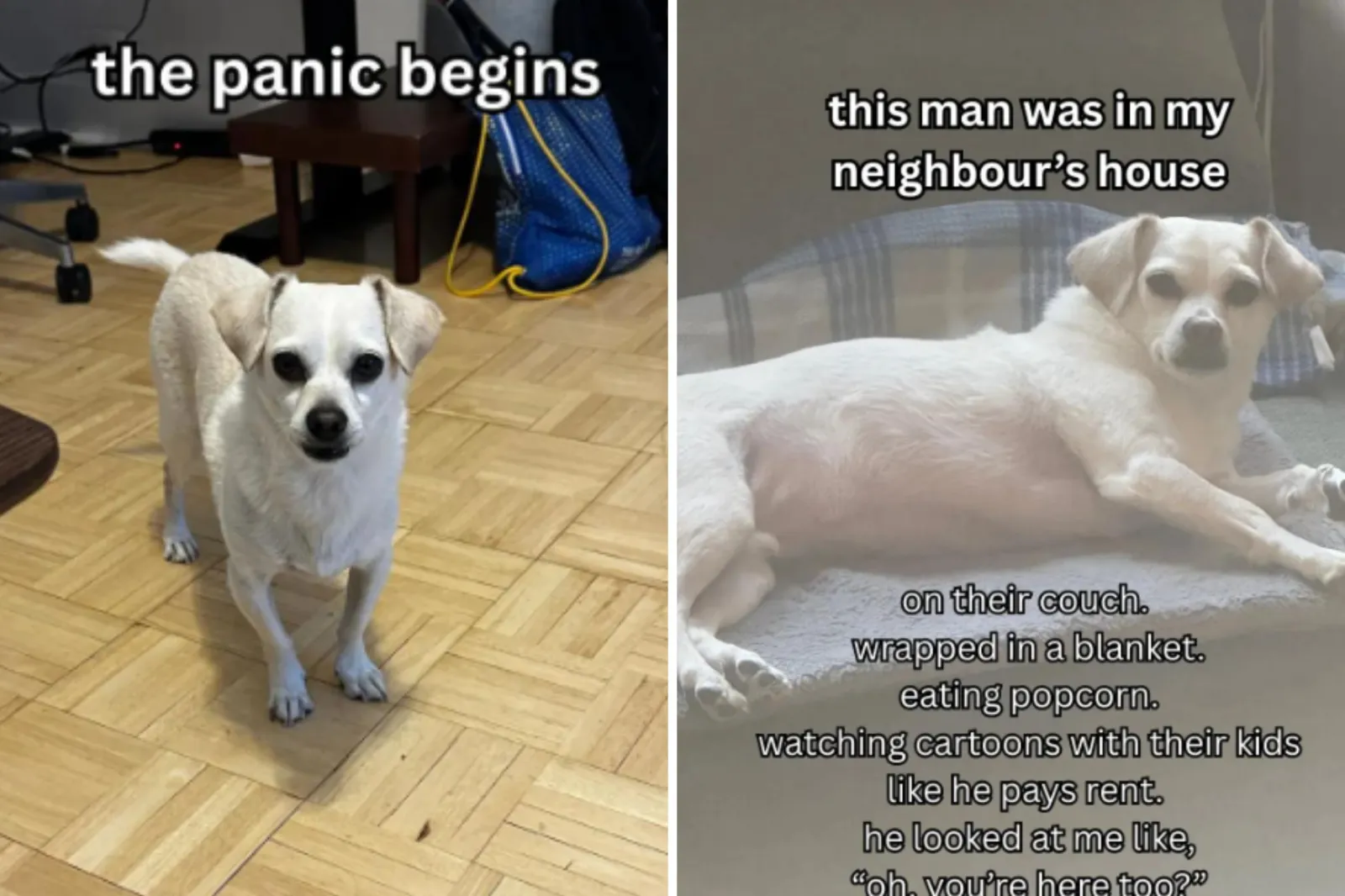
In a TikTok video posted to the account @herathehound3, a pet owner shared the frightening story of losing her dog, Hera. The little canine disappeared for about three hours, prompting a frantic search. Hera's owner wrote on the video that she was "crying, panicking, bargaining with God" while she imagined the worst possible outcome. She called for him and began shaking the treat container, hoping it would prompt a swift return.
But instead, the search moved outdoors. The owner checked everywhere: bushes, streets, gutters. Until she followed laughter coming from a neighbor's home. She discovered the dog inside, comfortably curled up on the sofa with a blanket and eating popcorn. Much to her surprise, and the neighbor's, the dog had been playing with both families.
Read More
Tears as Cat Spent 17 Years in One Home, Then Ended Up in a Shelter3 min read

Family Adopts Rescue Dog, Not Prepared for What He Does on Very First Night3 min read

Phoenix Zoo Gives Out Punch-Inspired Plushies to Primates—and It’s Adorable4 min read

...
The caption reads: "My dog went missing....but he was living his best life in the neighbor's house."
Hera's owner thought the worst part about the situation was that the neighbors thought it was their dog. They told her he comes to the house every afternoon. She discovered she was "the side-chick," as Hera played both families.
Newsweek reached out to @herathehound3 via TikTok for comment.
Secret Lives of Pets
While the situation felt like betrayal, so-called “secret second families” aren’t unheard of in the pet world. Some animals simply seek out extra food, attention or comfort beyond their own homes. Cats are particularly prone to this, as their natural roaming behavior leads them to visit neighbors who offer affection or accessible meals—creating the illusion of a double life, according to Vet Explains Pets.
Dogs are less inclined to live dual lives, but some form secondary bonds through routine visits. Newsweek previously reported on a dog that stopped by a neighbor’s porch daily for companionship, showing how consistent social visits can resemble having another family. Bored or under‑stimulated dogs may roam for enrichment, increasing their chances of bonding with people outside their household, as outlined by Pets4Home.
When pets grow comfortable with neighbors, setting boundaries can keep everyone safe and informed. The American Veterinary Medical Association advises that pets should be microchipped as a permanent form of identification, while visible ID tags listing a phone number can offer added clarity. Clear communication with neighbors, such as asking them not to feed the dog, keeping gates closed, or texting the owner if the pet shows up, can also prevent confusion over where an animal belongs.
Simple steps like reinforcing recall cues, checking fences and latches, and supervising yard time can significantly reduce roaming behavior, wandering and repeat visits to neighbors. For additional peace of mind, some owners use GPS tracking collars to monitor a dog’s location in real time
Viewer Reactions
The TikTok video had amassed over 160,000 views, 8,255 likes and 206 comments as of Tuesday, with viewers cracking up over Hera's double life.
"The fact that he ignored your pstpsst while crunching on his snacks. I can’t!!" said one TikTok user.
Another person commented: "He was like, 'Relax, I was just chillin with my friends.'"
A third person defended Hera: "He’s a family man + needed to check on his kids. Let the man be."
Do you have funny and adorable videos or pictures of your pet you want to share? Send them to life@newsweek.com with some details about your best friend, and they could appear in our Pet of the Week lineup.
View 0 Comments
Submit Correction
View Editorial & AI Guidelines