...

By Mandy Taheri
Reporter
0
Share
Newsweek is a Trust Project member
See more of our trusted coverage when you search.Prefer Newsweek on Googleto see more of our trusted coverage when you search.
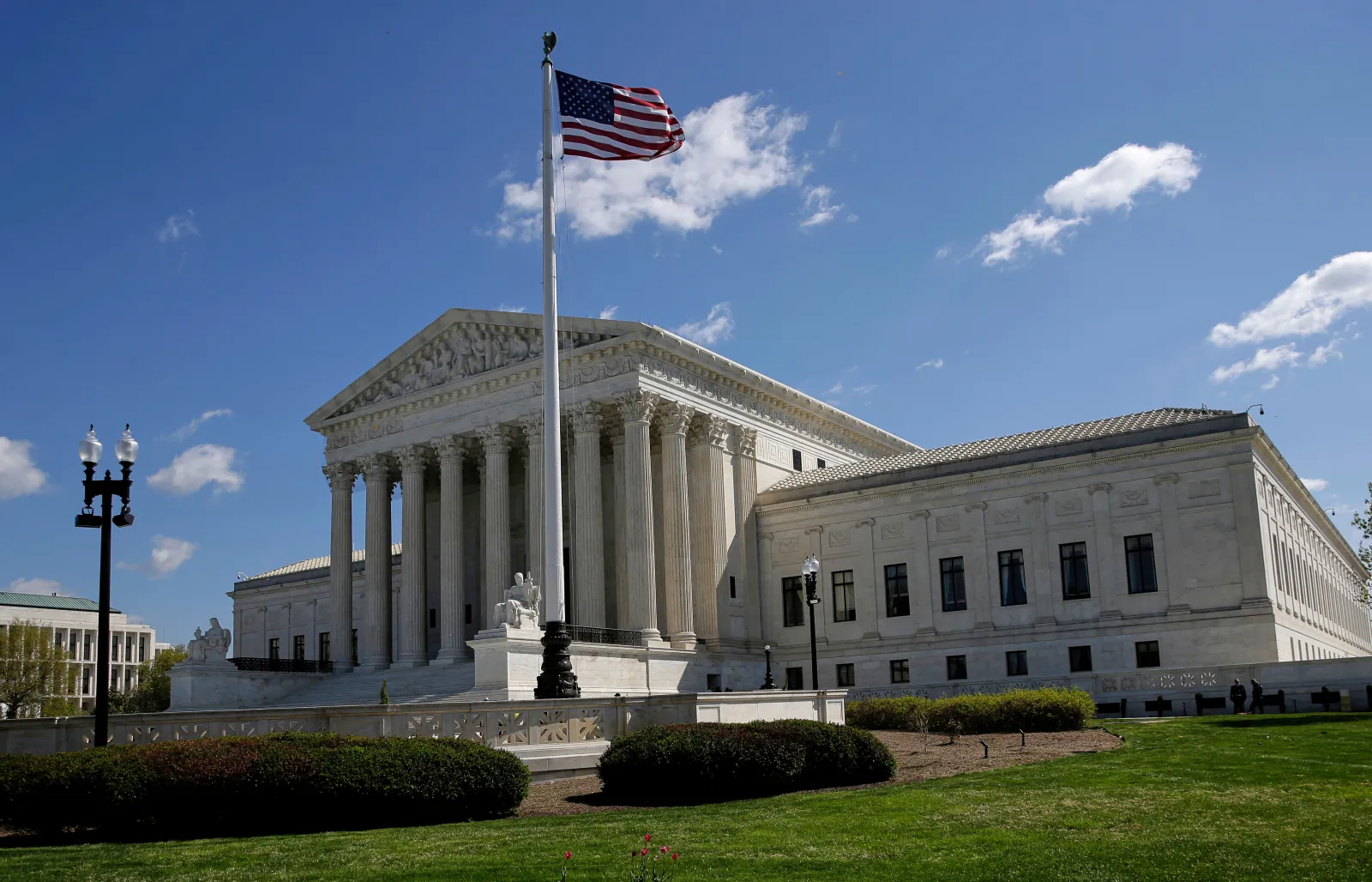
The Supreme Court still has several key Trump administration cases to decide before its term ends in June, including major rulings on immigration, citizenship and the president's authority to fire officials at independent agencies.
When the High Court has ruled against him, President Donald Trump has publicly criticized it, including the three conservative justices whom he appointed.
The following cases are pending a Supreme Court decision before the end of the session.
Read More on News
- Trump v. Barbara
- Trump v. Slaughter
- Mullin v. Doe/Trump v. Miot
- Trump v. Cook
...
What to Know About Trump v. Barbara
Earlier this month, the Supreme Court heard arguments in Trump v. Barbara, a case over the president’s attempt to limit birthright citizenship.
"Now they have birthright citizenship, they’ll probably rule against us," Trump said on CNBC this week. "No country in the world has it. It’s horrible for our country, and I just see it, you know. I see some of these Republicans that are nominated by me asking real bad questions—and looks like maybe we’re gonna lose that one too."
Trump has repeated the long-debunked claim that the U.S. is the only country with birthright citizenship. Multiple countries have automatic citizenship for anyone born on their soil. He also said on social media that his appointees "totally misrepresented who they were."
At the center of Trump v. Barbara is whether or not Trump can alter how birthright citizenship works. As it stands, the 14th Amendment says that "all persons born or naturalized in the United States, and subject to the jurisdiction thereof, are citizens of the United States and of the State wherein they reside."
If the court rules against the Trump administration, birthright citizenship would remain in place. A ruling in Trump’s favor could upend longstanding citizenship practices for some U.S.-born children and, according to advocates, deter some undocumented parents from seeking health care or other public services for their children.
What to Know About Trump v. Slaughter and Trump v. Cook
In Trump v. Slaughter and Trump v. Cook, the Supreme Court is examining the limits of the president’s power to fire officials at independent agencies, in disputes involving Federal Trade Commissioner (FTC) Rebecca Slaughter and Federal Reserve Governor Lisa Cook.
Trump fired former Democratic FTC Commissioner Slaughter in March 2025, even though her term was not set to expire until 2029. A lower court ruled Trump exceeded his authority, but the Justice Department appealed, and the Supreme Court agreed to hear the case—a move that could reshape the balance of power among the branches of government.
During arguments in January for Trump v. Cook, several justices questioned whether Trump has the authority to fire a sitting Fed governor over allegations of mortgage fraud that Cook denies. Justice Brett Kavanaugh, whom Trump appointed, warned that allowing Cook’s dismissal could “weaken, if not shatter,” the Federal Reserve’s insulation from political pressure.
The case, closely watched by Wall Street, could have major implications for U.S. interest rate policy and the balance of power between the White House and the nation’s central bank.
What to Know About Mullin v. Doe/Trump v. Miot
Later this month, the consolidated Mullin v. Doe/Trump v. Miot will come before the court, presenting questions about the administration’s move to revoke Temporary Protected Status (TPS) for thousands of Haitians and Syrians. Existing safeguards remain in place during the Supreme Court’s review.
TPS is a humanitarian program that allows people from countries affected by armed conflict, natural disasters or other crises to live and work legally in the United States temporarily. It has been applied to Haitians following the 2010 earthquake and to Syrians during the country’s civil war.
The Trump administration submitted emergency appeals after lower courts blocked efforts to immediately end TPS for about 350,000 Haitian nationals and roughly 6,000 Syrians.
View 0 Comments
Submit Correction
View Editorial & AI Guidelines