...

By James Bickerton
News Reporter
0
Share
Newsweek is a Trust Project member
See more of our trusted coverage when you search.Prefer Newsweek on Googleto see more of our trusted coverage when you search.
Texas Lieutenant Governor Dan Patrick announced on Wednesday that a new bill will be introduced to the state legislature banning the sale of "all forms of consumable Tetrahydrocannabinol (THC)" anywhere in the state.
Patrick said that retailers in Texas have been selling "life-threatening, unregulated forms of THC to the public" and argued some of these have been targeted at children.
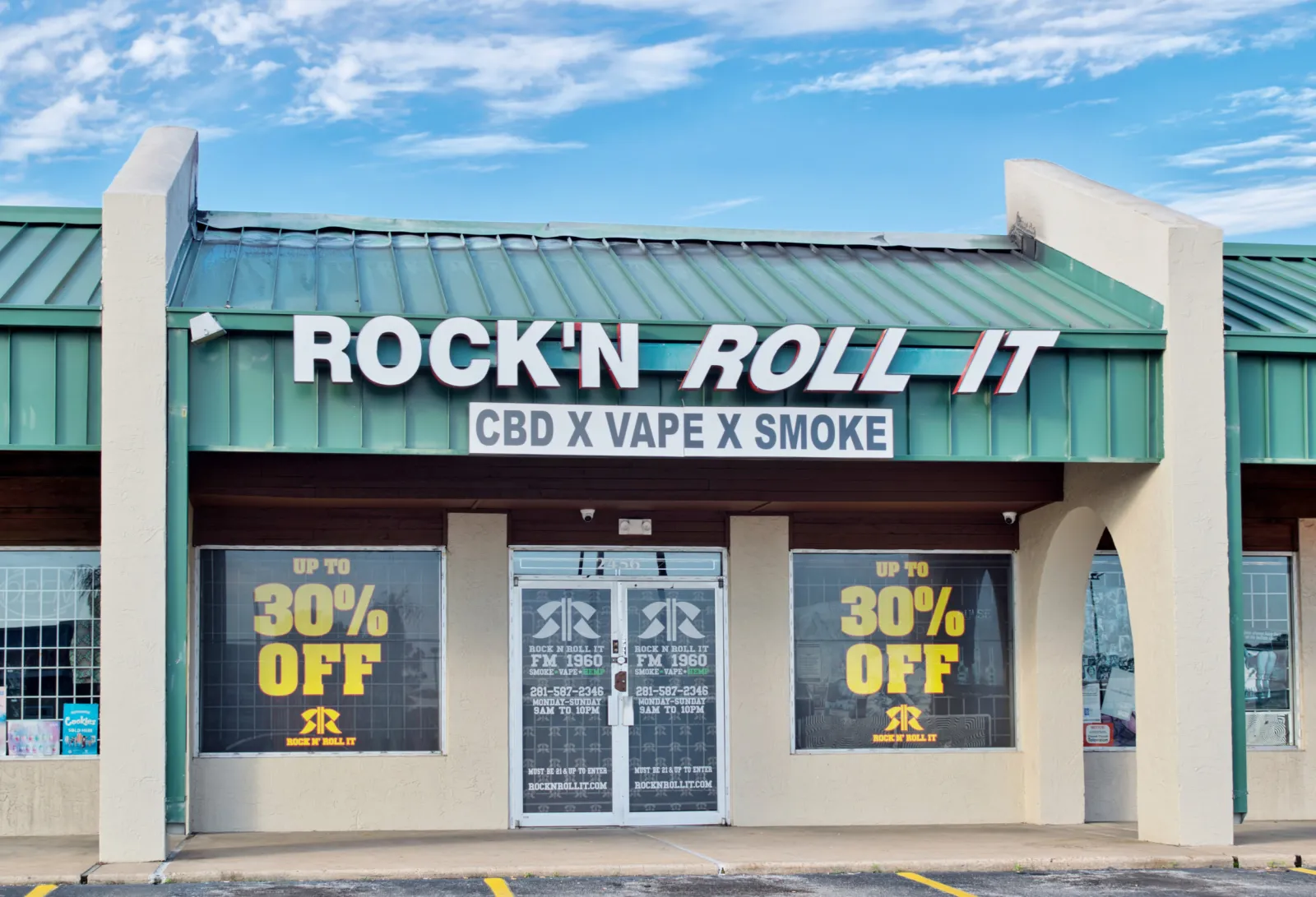
In 2019, Texas legalized the sale and consumption of hemp, a weaker form of cannabis containing a maximum of 0.3 percent THC, bringing the state in line with a federal law passed the previous year. However, marijuana, which has a higher THC content, remains illegal. The legislation produced a large legal hemp industry in Texas, with the product being sold in a range of forms, including vapes, gummies, drinks and creams.
Read More on U.S.
Announcing the new legislation, Senate Bill 3, Patrick said: "In 2019, the Texas Legislature passed House Bill 1325, by Rep. Tracy King, D-Uvalde, to bolster agriculture in Texas. Part of that bill allowed for the commercialization of hemp which might include un-removable non-intoxicating trace amounts of Delta 9 THC."
However, Patrick argued this legal change was exploited by unscrupulous retailers, some of whom sold products with a THC content several times higher than the marijuana typically sold by drug dealers.
"Dangerously, retailers exploited the agriculture law to sell life-threatening, unregulated forms of THC to the public and made them easily accessible. These stores not only sold to adults, but they targeted Texas children and exposed them to dangerous levels of THC," he said.
"Since 2023, thousands of stores selling hazardous THC products have popped up in communities across the state, and many sell products, including beverages, that have three to four times the THC content which might be found in marijuana purchased from a drug dealer."
Patrick added that Senate Bill 3 would be carried by state Senator Charles Perry, a fellow Republican, and expressed confidence it will have "broad bipartisan support in the Senate."
When contacted by Newsweek, Patrick's office linked to an X post from the lieutenant governor, in which he insisted those using THC products as part of the medical Compassionate Use Program would be unaffected by the policy change.
The post said: "Senate Bill 3 will not affect the compassionate use program (CUP). In fact, SB 3 will ensure Texans needing to utilize the compassionate use program will have access to safe, doctor-prescribed medication."
Newsweek reached out to Perry for comment on Thursday via email outside of regular office hours.
...
In a May 2024 report, the Baker Institute, a non-partisan think tank based out of Rice University in Houston, said Texas lawmakers "did not anticipate the massive market for hemp-derived cannabinoids" produced by the 2019 legalization.
Consequently, they said, "From 2020 to 2023, sales of hemp-derived cannabinoids (excluding the non-impairing cannabidiol) increased by 1,283%, reaching a value of $2.78 billion last year."
The Baker Institute argued against making the sale of all hemp products illegal, arguing this would be "certain to fail" and would force the industry underground.
"As of April 2024, Texas had over 7,000 registered hemp dispensaries. More than 50,000 Texans are estimated to be employed through the hemp sector," they said. "A state ban would ruin this industry, but it would not reduce consumer demand for hemp-derived cannabinoids. Instead, consumers would turn to the illicit hemp market that would inevitably form in the wake of state prohibition."
On November 5, voters in Nebraska voted to legalize medical marijuana, though attempts to legalize marijuana for recreational use failed in Florida, South Dakota and North Dakota.
In Florida, the move had majority support but failed to pass the 60 percent threshold to become law.
Update 12/7/24, 3:15 a.m. ET: This story has been updated following contact with the office of Texas Lieutenant Governor Dan Patrick.
View 0 Comments
Submit Correction
View Editorial & AI Guidelines