10
Loading video...
0
Share
Newsweek is a Trust Project member
See more of our trusted coverage when you search.Prefer Newsweek on Googleto see more of our trusted coverage when you search.
College campuses are synonymous with a particular type of sweatshirt. The oversized, casual style with embroidered block letters spelling out the name of a university is recognizable across the world.
But if you spot the trendiest Gen Zers in 2026, their shirts won't be emblazoned with their almer mater but with a five-letter status symbol: PARKE.
It's the last name of Gen Z entrepreneur Chelsea Parke Kramer, who reimagined the classic student clothing staple for a new generation. Her eponymous brand has taken campuses across the country by storm with the hugely popular sweater—helping build a business now valued at around £16 million.
Read More on Life
The sweatshirts usually retail for around $130. It's a hefty price tag, but not so high that it's out of reach. The exclusive trendiness it evokes comes from a different place: they're really hard to get. This type of scarecity has become a key status symbol among Gen Z—replacing the luxury pricetags that have historically made up an aspirational wardrobe for young people.

Photo-Illustration by Newsweek/Getty/Associated Press
The Allure of Scarcity
Parke sweaters have become so sought-after that collections often sell out within minutes and trigger long lines and website scrambles. Parke’s Core Shop drops, for example, are framed as events where shoppers are encouraged to grab “whatever you can snag” before stock disappears.
At a recent Target collaboration, some shoppers queued from 3 a.m., and stores sold out in under five minutes, with the sweatshirts quickly appearing on resale sites at marked-up prices.
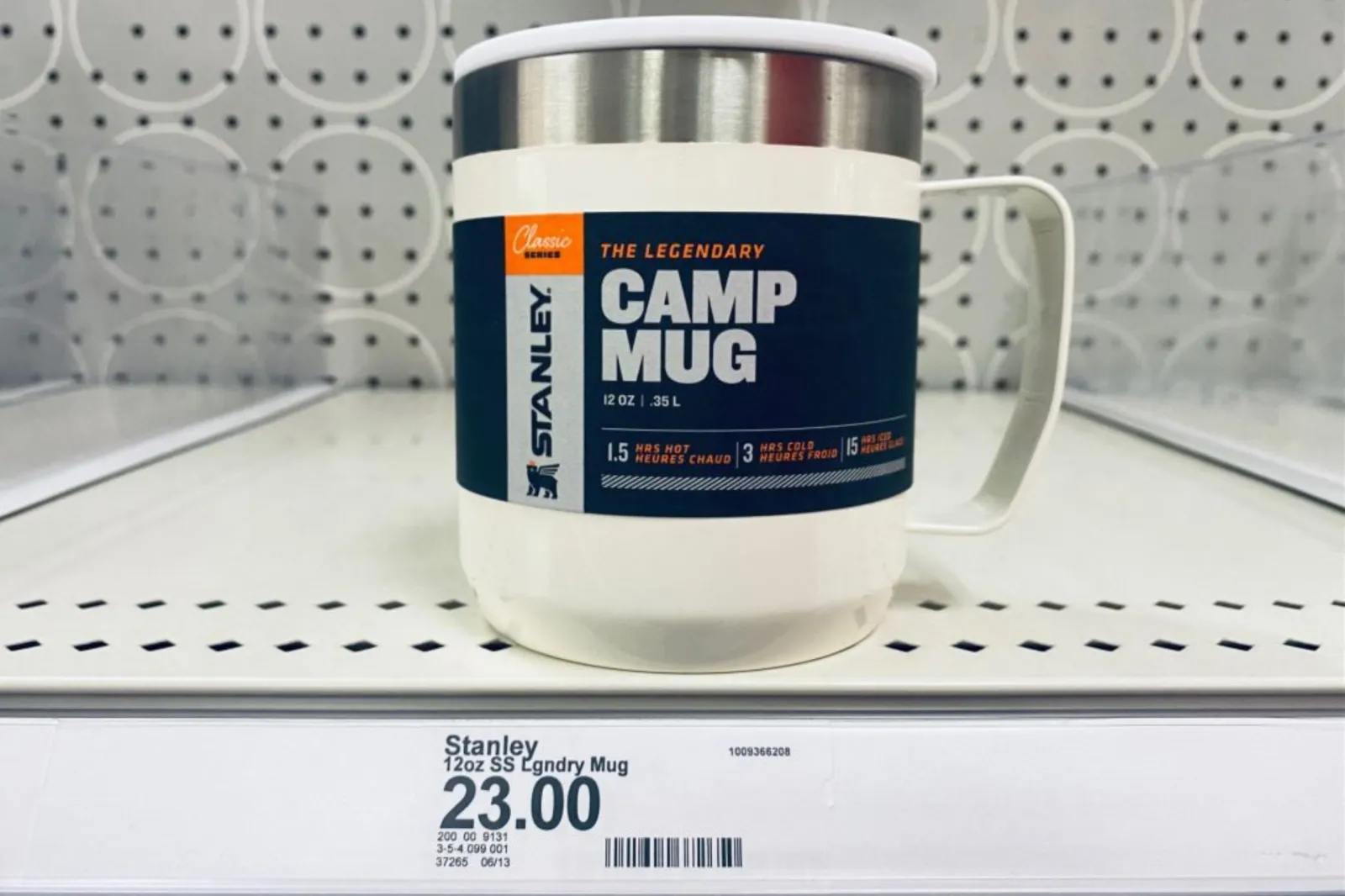
The same dynamics have played out with other brands too. The Stanley cup craze meant limited-edition releases at Target sold out within minutes, prompting early-morning queues and resale markups that can push a roughly $50 tumbler to as much as $250 online.
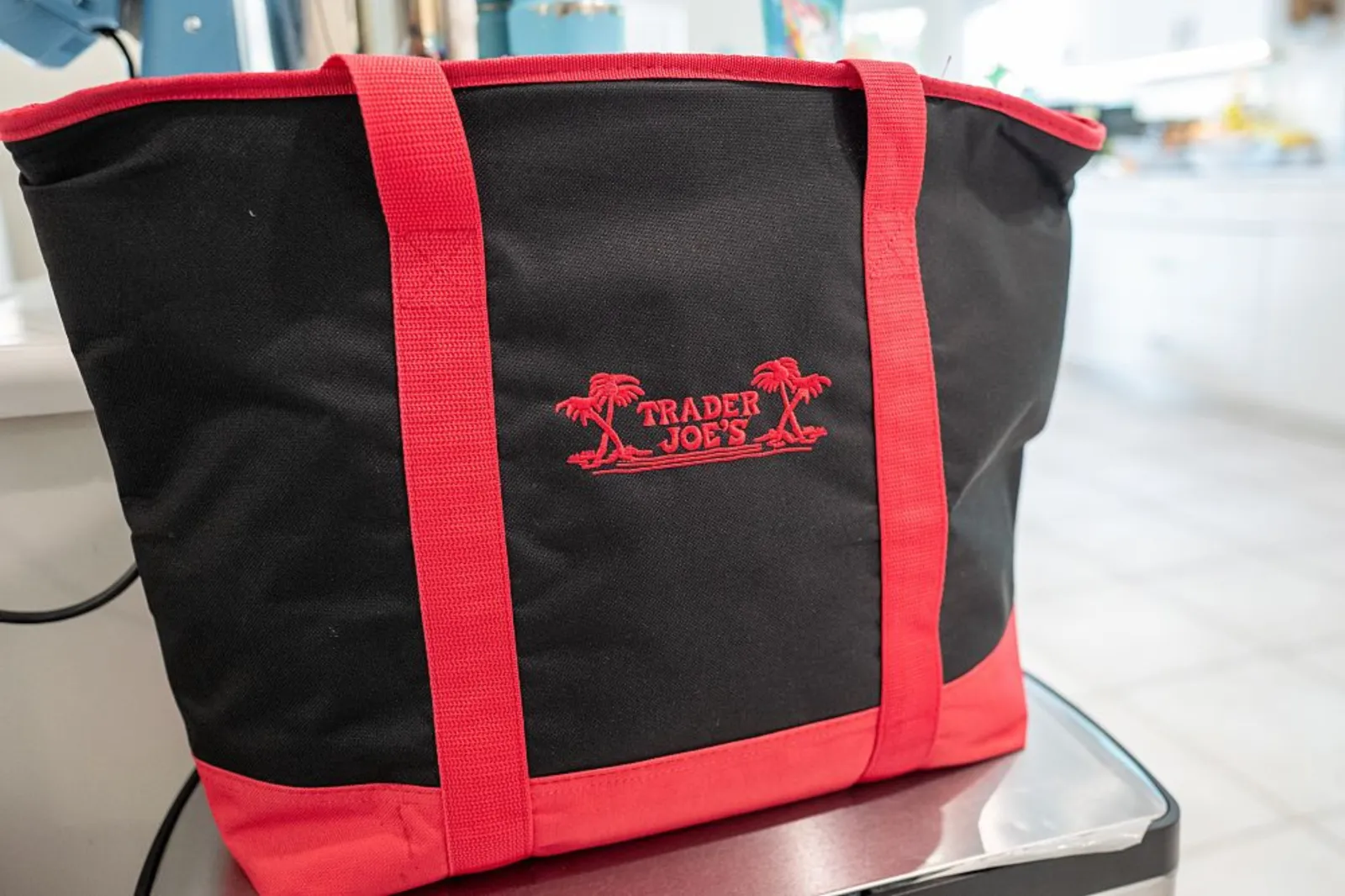
Trader Joe's seasonal tote bags face a similar reception, with people scrambling to get hold of one while stocks last, and re-sellers listing them on eBay and Depop for significantly higher prices.
Felicia Zangri, 23, from Nashvillle, owns one of the sweaters. She thinks that Parke has held onto its popularity among her demographic for so long in part because the sense that the sweaters are always about to sell out help justify the cost.

...
Parke builds hype by posting social media sneak peaks of their collections, such as their upcoming Summerland range, which Zangri says keeps followers like her "on their toes." They can see what's about to be released, but there's no guarantee they'll be one of the lucky few who can actually buy it.
“We’re in an era where ubiquity has become the enemy of cool,” said Rocco Baldasarre, director of marketing at Shirofune. With resale platforms, dupes, and financing making luxury more accessible, a high price tag alone carries less cultural weight. What matters more is owning something others couldn’t get.
For younger consumers, scarcity also transforms the product into a story. Lucy Blackley, founder of Bombiix, a product lifecycle management company, said the appeal lies in the narrative attached to owning it—“I got this before it sold out” or “I landed the one everyone wanted.” That storytelling element, amplified across social media, can make even relatively inexpensive products feel like status symbols.
Owning Sold-Out Products Signals More Than Just Wealth
Jeff Peters, vice president of strategic planning at marketing agency Mower, said that the increased value placed on scarcity over price signals "a move from financial status to cultural status.”
Instead of signaling wealth, sought-after items now signal taste, timing, and access—proof that someone was “early, in-the-know, and differentiated.”
...
Emily Holliday, 29, a customer planning strategy manager from Minnetonka, Minnesota, told Newsweek she got hold of a coveted Parke sweater in an online re-stock after they were sold out "for the longest time." While the sense that you're getting hold of something exclusive is alluring, Holliday said that the fact that the sweater feels high quality is important too.
Katie Blevins, 25 from Richmond, Virginia, said she was skeptical of jumping on the Parke bandwagon at first but her college roommate convinced her to buy one.
"I think Parke’s marketing is incredibly smart. Their designated drops and limited collections create a sense of exclusivity that makes each piece highly sought after. Beyond that, the quality really speaks for itself," she told Newsweek.
Across social media, young women sing the praises of the Parke sweatshirt, driving up interest, which is reinforced by the reality that they're hard to get hold of. The model seems to work primarily when buyers are not disappointed with the product they eventually own.
In some cases, scarcity is engineered. In others, it happens organically and is then amplified by social platforms. Zain Mahmud of Arbor Growth pointed to the viral rise of the Trader Joe’s tote as an example of “geographic scarcity” that culture turned into a status symbol, while Stanley tumblers became coveted after selling out because they unexpectedly traction on TikTok.
...
Experts caution that scarcity alone is not enough. Blackley warned that if it feels forced, it can quickly undermine a brand’s credibility.
"Scarcity needs to feel thought through. When it does, it adds real meaning to a product. When it doesn't, it just makes the brand look disorganised," she added.
Updated 11/05/2026 at 7:22 a.m. ET with full name and company of commentator
View 0 Comments
Submit Correction
View Editorial & AI Guidelines