10
Loading video...

By Giulia Carbonaro
Senior Reporter
0
Share
Newsweek is a Trust Project member
See more of our trusted coverage when you search.Prefer Newsweek on Googleto see more of our trusted coverage when you search.
The number of Americans renouncing their citizenship, along with long-term green card holders ending their United States tax residency, reached its highest level since 2020 over the past 12 months, according to an analysis of Federal Register data.
A total of 5,790 names appeared on the register’s U.S. expatriation list over the past four quarters, representing individuals whose loss of U.S. citizenship or long-term permanent resident status was reported to the Treasury Department. According to Greenback Expat Tax Services, that is the highest four-quarter total in six years.
The increase was particularly sharp between April and June, when 1,781 names were recorded in the register’s list, up 68.5 percent from the same quarter last year. That brought the first-half total to 3,243, up 38.5 percent from the first half of 2025.
Read More on U.S.
The list is limited in what it can tell us about Americans renouncing U.S. citizenship, as it reports only when the Treasury was notified of a person’s change in status, not necessarily when it happened. But yearly data show that, over the past decade, the number of Americans leaving the country for good has grown significantly.
This surge in renunciations "is consistent with a long-term trend. More individuals who have permanently resettled abroad want to shed their citizenship," Peter Spiro, a professor who holds the Charles Weiner Chair in international law at Temple University, told Newsweek.
"For some, it’s just about taxes. For others, there’s also a sense that America’s future is increasingly problematic. In the face of increasing political turbulence, sentimental attachment to the United States has been wearing thin."
The Trend Behind the Latest Surge
According to Greenback’s analysis of historical records, the average number of Americans losing citizenship was below 500 between 2000 and 2008, with just 452 names reported each year during that period.
These numbers exploded after Congress passed the Foreign Account Tax Compliance Act, or FATCA, in 2010. This federal law, which requires foreign financial institutions and certain other non-financial foreign entities to report on the foreign assets held by their U.S. account holders, made it much more expensive for American expatriates to live abroad, forcing them to effectively pay taxes in two countries.
"More than 190-plus countries agreed to this program, which went into effect in 2014," Alexander Marino, who heads Moody’s, the largest renunciation law practice in the world, previously told Newsweek.
"Whether it’s traveling, whether it’s banking, whether it’s renewals of passports, there’s a real push as the technology increases and the world gets smaller, so to speak, to find U.S. citizens who have not been filing their tax returns," he said.
"No matter where you go, every euro, pound, peso you ever make is subject to U.S. tax, in life and in death. And when you’re living in a low-tax jurisdiction like the United Arab Emirates, it’s not fun to be taxed by the U.S. And when you’re living in a high-tax jurisdiction, like the U.K., having two hands in your cookie jar is also never fun."
American expatriates’ willingness to avoid this double taxation is reflected in the number of names reported on the expatriation list in the years following the law's passage. In 2016, the annual name count reached a record 5,409, according to Greenback.
Counts fell to 2,071 in 2019, then jumped to a new modern-history record of 6,705 in 2020; while they dipped slightly, they have remained very high since.
"Tax compliance burdens are still the primary factor behind renunciations. They are the main reason to really take that step, as tax compliance by itself is a burden by itself," Melissa Chavin, a U.S. immigration, visa and citizenship lawyer based in London, told Newsweek.
"Other reasons are just not feeling connected to the U.S. because the person lacks a reason to work in the U.S.," Chavin added. "They do not have family that they need to care for in their old age. They generally do not have any brushes with law enforcement in their background. They hail from a European country often in my practice, so they will not have an issue visiting the U.S. on visa free travel."
"If it weren’t costing anything in terms of tax filing requirements and banking complication, many of these individuals would probably not bother with renunciation," Spiro said. "But, given those extra costs, they are moving to cut the citizenship cord," he added.
"As long as you have another good-quality passport affording global mobility privileges, there’s not much of a downside to renunciation, as long as you know that you won’t be moving back Stateside."
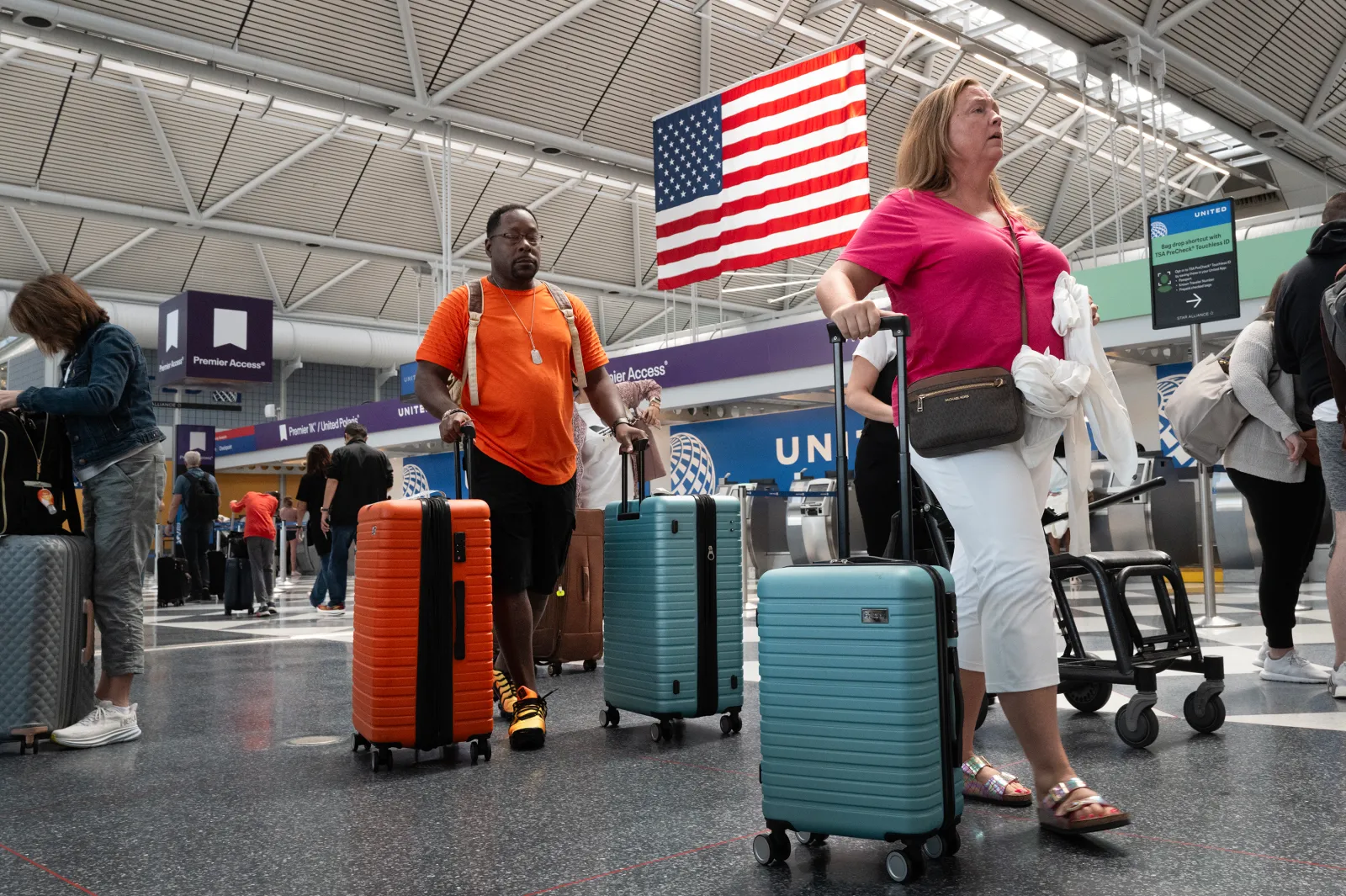
...
What Has Been Pushing Renunciations Up
So many Americans living abroad have tried to renounce their citizenship over the past couple of years that renunciation lawyers like Marino are advising customers on how to avoid long waiting times at embassies and consulates around the world to get rid of a no-longer-wanted citizenship as quickly as possible.
Some who have been through the process, or were in the midst of it, have told Newsweek they did so to avoid paying taxes in the U.S. on top of their current country of residence, or for ideological and political reasons often linked to President Donald Trump’s return to the White House.
"Given the state of the country now and the political situation and my fundamental dislike of Trump and his policies and the direction in which that country is going, I decided to pull the trigger and finally give it up," Alice (not her real name), who was born in the U.S. but has spent most of her life in Europe, previously told Newsweek.
But a recent spike in renunciations might have been caused by the State Department’s decision to slash the fee for renouncing citizenship by 80 percent earlier this year.
Before 2010, renouncing U.S. citizenship was free. After that, a $450 fee was introduced, but in 2015 it was raised to $2,350. That sum made the U.S. one of the countries with the highest citizenship renunciation fees in the world.
As of April 13, the fee dropped back to $450.
"John L. Armstrong, principal deputy assistant secretary, Bureau of Consular Affairs, at DOS, signed the regulation decreasing the fee dramatically last March 2026," Chavin said.
"The dramatic fee drop was a surprise to the U.S. immigration private bar. Did renunciation processing really drop so significantly in work time for consular officers and Washington D.C. administrators?" she added.
"The administration seems to want to allow people who are not close to their U.S. citizenship, and do not want it, to be able to leave it behind."
Related Story
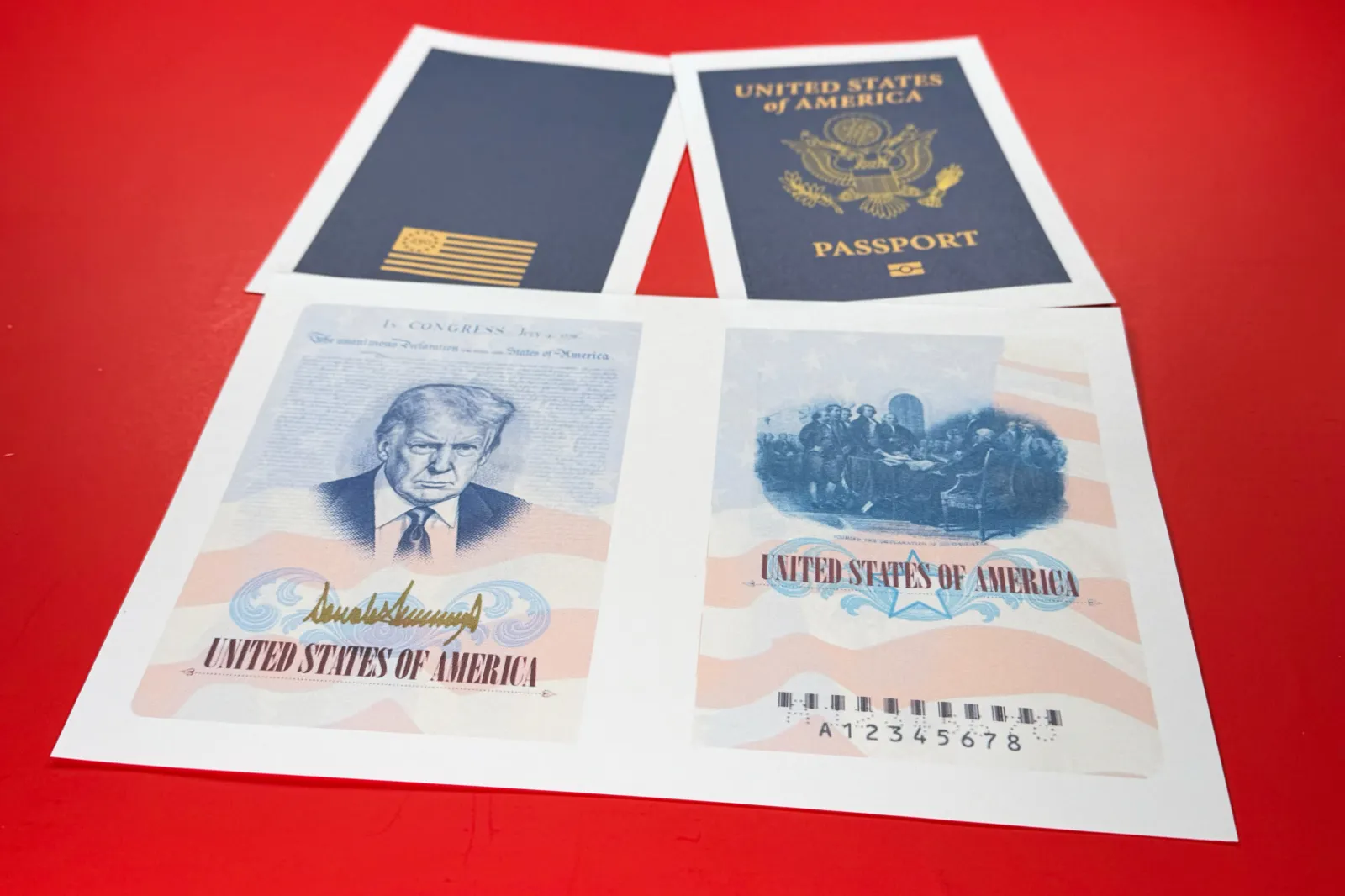
Trump Admin’s Potential Passport Rule for Children Raises Legal Questions
Considering Renouncing Citizenship? Here’s How to Do It
Americans living abroad can formally renounce their U.S. citizenship before a diplomatic or consular officer at a U.S. embassy or consulate overseas.
The process requires applicants to complete a series of forms, undergo State Department review, attend interviews with a U.S. diplomatic or consular officer, and take an oath of renunciation in person. The State Department must ultimately approve and acknowledge any request.
The State Department warns that renouncing citizenship could leave an individual stateless and notes that former citizens may, in some circumstances, be barred from entering the United States if authorities determine they renounced to avoid U.S. taxes. Tax obligations and compliance requirements are frequently cited among the reasons Americans choose to give up their citizenship.
Contact Newsweek editors on this story: Matthew Robinson and Sam Wilson.
Update, 9/15/2026 5:02 a.m. ET: this article was updated with comments from Peter Spiro and Melissa Chavin.
View 0 Comments
Submit Correction
View Editorial & AI Guidelines