
...

By Jennifer Cunningham
Editor-in-Chief
0
Share
Newsweek is a Trust Project member
See more of our trusted coverage when you search.Prefer Newsweek on Googleto see more of our trusted coverage when you search.
March was a month when old arguments came back in new forms. Trump’s economic agenda refused to stay buried, even after the courts tried to kill it. The politics around him remained just as slippery, with Democrats at risk of mistaking his volatility for weakness ahead of the midterms. Abroad, the campaign on Iran reopened questions about how American power should be used and whether Washington’s allies are still willing to follow where it leads.
At the same time, some of the month’s most interesting stories looked beyond the obvious. One explored what the loneliness economy, now growing rapidly in China, says about modern intimacy, technology and politics. Another used Chuck Norris’ unlikely existence as an internet folk hero to explain how mythmaking online began, and why it still matters. Together, these pieces captured a month shaped by power, isolation, and the stories societies tell themselves to survive. It’s not just the American story—it’s the human story.
Here are my top six favorite articles from the month that made sense of it all and are available exclusively to members:
Read More on Politics
Uncommon Knowledge: Trump’s Zombie Tariffs Don’t Die, They Mutate

...
Policies can continue shaping the economy even after the legal case against them appears settled. This article examines the aftermath of Trump’s "Liberation Day" tariffs after the Supreme Court ruled in February that a president does not have the authority to impose them in that way. It details what happened after the ruling: duties had already been collected, millions of customs entries had already been processed and import prices had already shifted. It also explains the administrative and legal fallout, including Customs and Border Protection’s estimate that unwinding the tariffs would involve a staggering 53 million customs entries, more than 330,000 importers and roughly $166 billion in collected duties.
How US Allies Got Revenge After 70 Years

...
Old tensions can reappear when a new crisis tests Western unity. This article compares the current dispute between Washington and its European allies over Iran with the 1956 Suez Crisis, when Britain and France expected U.S. backing and didn’t get it. It compares that to Trump pressing his NATO allies in the modern day to help secure the Strait of Hormuz and support a wider campaign against Iran, while London, Paris and others have hesitated. The piece also places that disagreement in the longer context of transatlantic tensions over Iran policy since the 2015 nuclear deal.
Why Ali Larijani’s Killing Will Shake Iran

...
The loss of one senior figure can expose the hidden dependencies inside a political system. This piece looks at what Ali Larijani’s killing will mean for the Iranian regime. Larijani was a central figure in Iran’s security and political system, with roles linking military planning, internal security, diplomacy and the authority of the supreme leader. It explains why his removal will matter beyond the immediate battlefield, focusing on the operational gap it could create and the strain it will place on the balance among Iran’s rival elite factions.
5 Reasons Democrats Should Stop Writing Off Trump
...
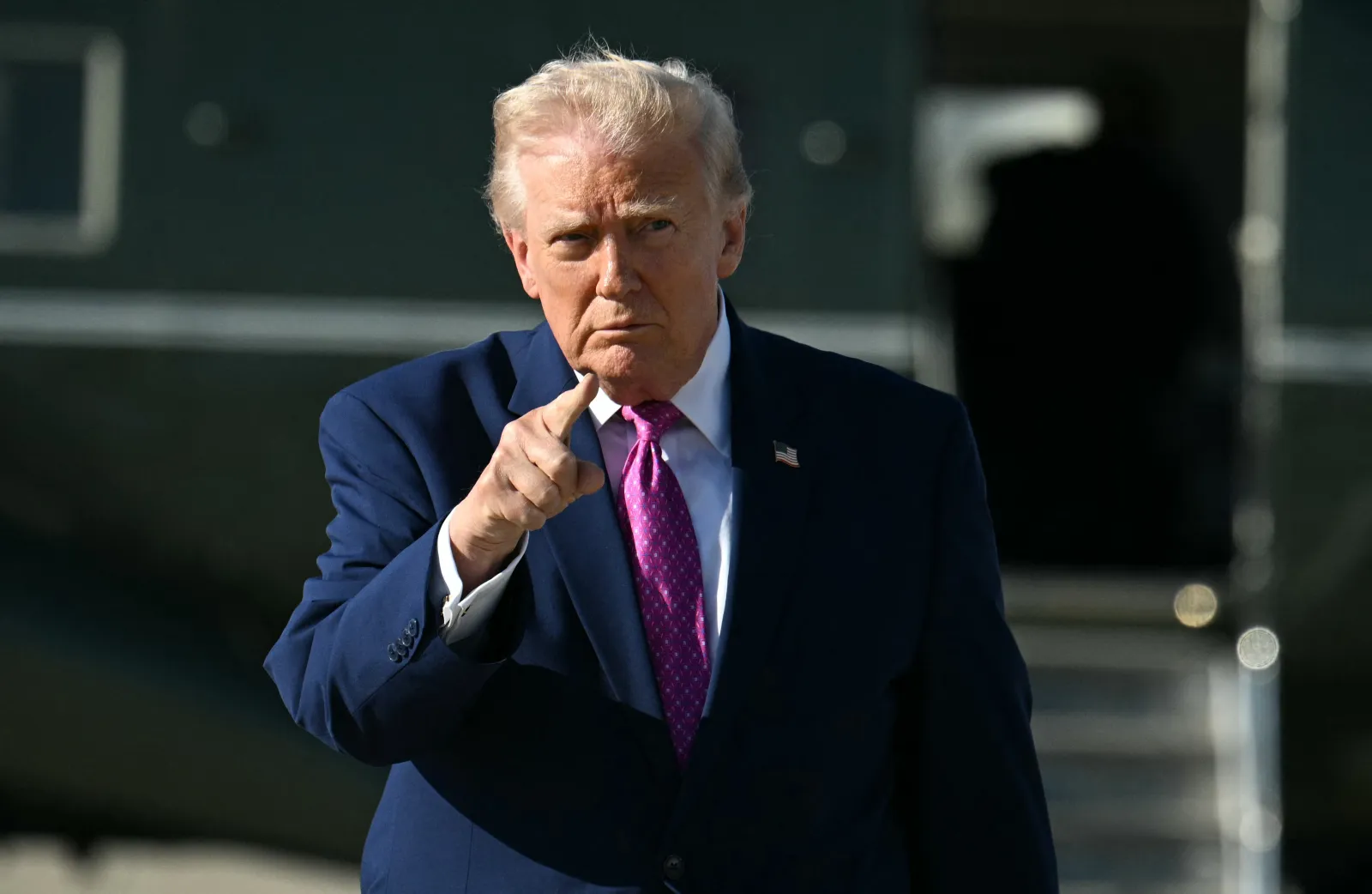
Assuming a political opponent has become easier to beat than he really is can be a costly mistake. Here, Newsweek sets out five reasons Democrats may be underestimating Trump and the Republican position ahead of the midterms. Among them are a tightening generic-ballot environment, the possibility that the Iran conflict could wind down on terms Trump can present as a success, and Trump’s continued ability to use executive power to propose attention-grabbing economic measures. It also points to Republican turnout advantages on cultural issues and argues that Democrats have repeatedly misread the resilience of Trump’s support.
Uncommon Knowledge: Deus Sex Machina

...
Loneliness, intimacy and care have increasingly been turned into products and services. This story begins with a grim Chinese app called Are You Dead?, which asks users to check in daily and alerts an emergency contact if they do not. From there, it looks at the growth of single-person households in China, the rise of AI companions and the commercialization of loneliness. Those trends are being repeated in the United States, putting a new spin on Hannah Arendt’s theory about the origins of totalitarian movements.
How Chuck Norris Became the Internet’s First Myth

...
The internet can turn people into folklore that outlasts the moment that created it. None more so than Chuck Norris, who died last month. He became one of the internet’s earliest durable meme figures. It details the achievements that gave his public image credibility—his Air Force service, martial-arts training in South Korea, tournament record and early film roles, including opposite Bruce Lee in The Way of the Dragon. It then explains how that real-world biography helped make Norris an ideal subject for the exaggerated jokes that spread online long before memes became central to digital culture.
In a polarized era, the center is dismissed as bland. At Newsweek, ours is different: The Courageous Center—it's not "both sides," it's sharp, challenging and alive with ideas. We follow facts, not factions. If that sounds like the kind of journalism you want to see thrive, we need you.
When you become a Newsweek Member, you support a mission to keep the center strong and vibrant. Members enjoy: Ad-free browsing, exclusive content and editor conversations. Help keep the center courageous. Join today.


View 0 Comments
Submit Correction
View Editorial & AI Guidelines