...


By Amir Daftari and Shane Croucher
0
Share
Newsweek is a Trust Project member
See more of our trusted coverage when you search.Prefer Newsweek on Googleto see more of our trusted coverage when you search.
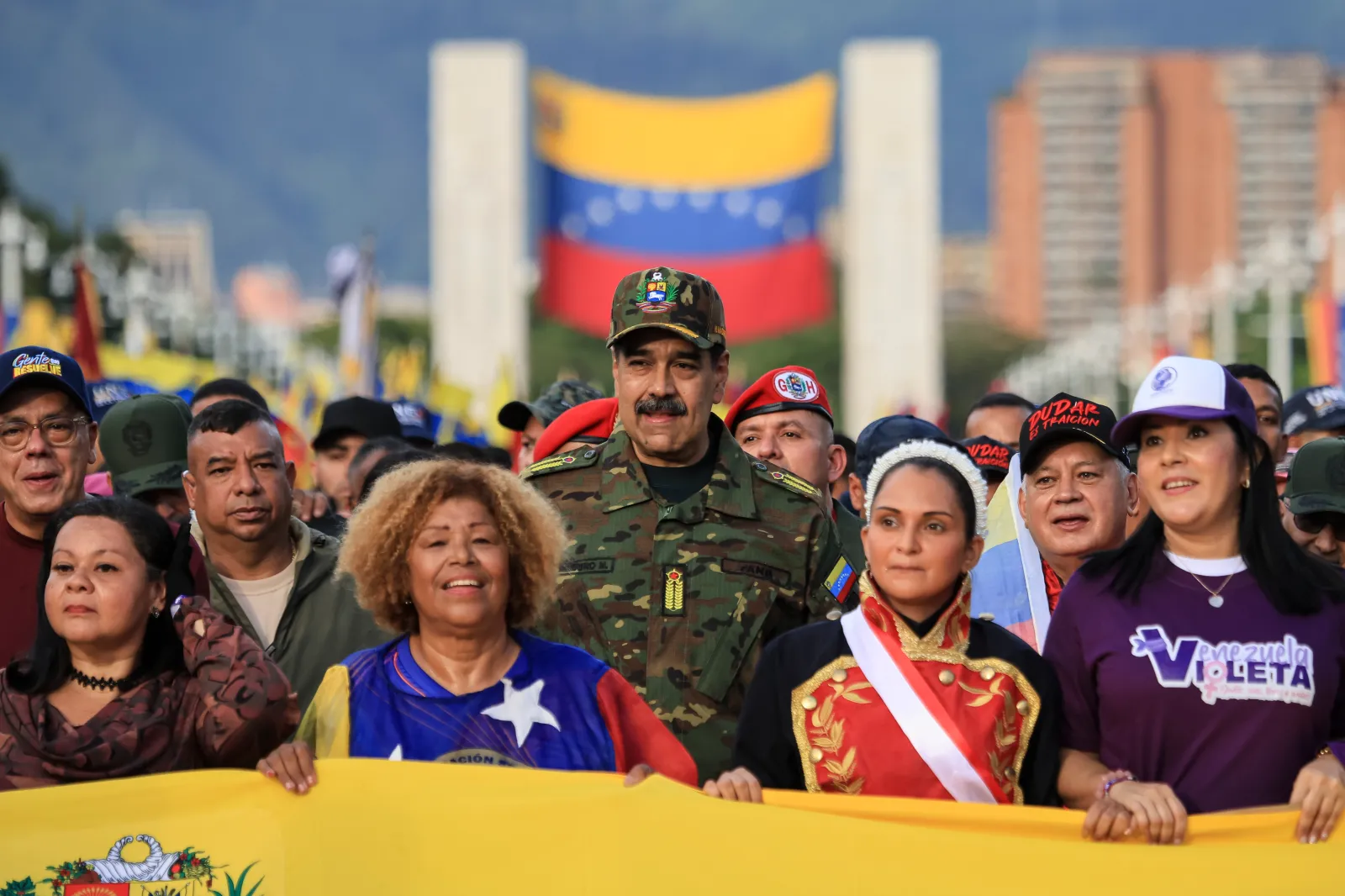
Speculation is growing that U.S. President Donald Trump could soon launch military action against Venezuela and seek to remove President Nicolas Maduro amid his campaign against Caribbean drug cartels. The United States has stepped up its military presence in the region and conducted strikes on vessels accused of transporting narcotics to American shores.
Yet prediction markets such as Polymarket and Kalshi suggest that an immediate ouster of Maduro is unlikely, highlighting uncertainty over the regime’s future.
Newsweek has contacted the State Department and Venezuela's Foreign Ministry for comment.
Read More on World
Why It Matters
A U.S. strike against Venezuela would be a major geopolitical event with broad implications. Venezuela holds the world’s largest proven oil reserves, meaning any instability could affect global energy markets. Military action could also disrupt regional security, strain diplomatic relations and create further economic and social pressures within Venezuela.
For Trump, a successful operation could be presented as a decisive move against organized crime, while escalation or civilian casualties could prompt political and diplomatic backlash.
...
What to Know
Despite rising tensions, traders are cautious about the immediate removal of Maduro. Polymarket currently assigns a 20 percent chance that Maduro will leave office in 2025, rising to 39 percent by March 31, 2026.
Kalshi gives a 23 percent probability for 2025 but a 69 percent chance of his exit before 2027. These figures suggest that markets see Maduro’s longer-term political vulnerabilities as more decisive than short-term U.S. military threats.
Trump-Maduro call
Meanwhile on Sunday, Trump said he had spoken to Maduro on a call but gave no details of the conversation. He had earlier declared Venezuelan airspace closed amid a large-scale U.S. military build-up in the Caribbean as his forces strike boats he says are carrying illegal narcotics to American shores. Trump said land strikes should be expected "very soon."
Maduro has denied Trump's accusations that he oversees the Cartel de los Soles, one of the drug cartels designated as foreign terrorists by the U.S., and that his regime benefits from lucrative kickbacks. Caracas says Trump's U.S. is motivated by a colonialist grab for Venezuelan natural resources, and vowed to resist any American military action against it.
Military Build-up
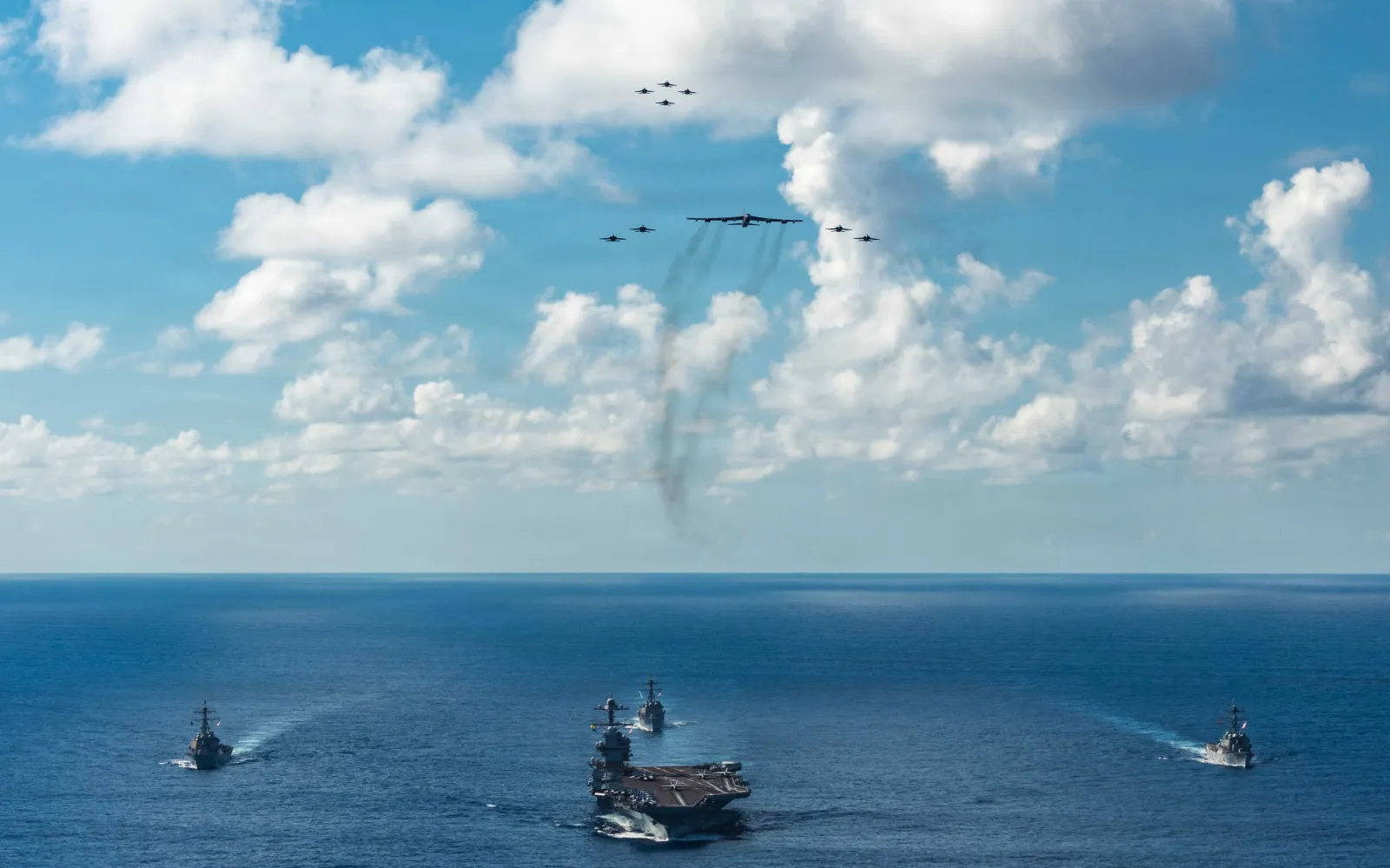
The U.S. has deployed more than a dozen warships and 15,000 troops in the Caribbean as part of "Operation Southern Spear," carrying out at least 21 strikes on suspected drug-running boats since September, which Reuters reports have killed at least 83 people.
Defense Secretary Pete Hegseth said on Friday that the strikes are “lawful,” following reports in The Washington Post that he had ordered military officials to leave "no survivors" during a strike on an alleged drug vessel in September.
...
What People Are Saying
President Donald Trump told reporters Sunday aboard Air Force One: "I wouldn't say it went well or badly. It was a phone call."
Venezuelan President Nicolas Maduro told supporters on Tuesday: "We must be ready to defend every inch of this blessed land from imperialist threat or aggression, no matter where it comes from."
What Happens Next
U.S. forces could expand their campaign from maritime strikes to limited land operations, testing Maduro’s defenses and resolve. The Venezuelan government is likely to respond with increased military readiness and efforts to consolidate domestic support.
Meanwhile, prediction markets indicate that while an immediate removal is improbable, political pressure and internal instability could steadily increase the odds of Maduro’s eventual departure. Regional governments, energy markets and humanitarian agencies will monitor the situation closely, as any escalation could disrupt trade, migration and access to critical resources.
View 0 Comments
Submit Correction
View Editorial & AI Guidelines