10
Loading video...

By Marni Rose McFall
Reporter
0
Share
Newsweek is a Trust Project member
See more of our trusted coverage when you search.Prefer Newsweek on Googleto see more of our trusted coverage when you search.
A Chicago man naturalized as a U.S. citizen 15 years ago faces being stripped of his citizenship and deported, a legal filing reviewed by Newsweek confirmed.
The complaint, filed in Illinois court on October 7, alleges that Emmanuel Tayo Akinkunmi, who was born in Nigeria, “procured his naturalization unlawfully” and that he had “willfully misrepresented and concealed material facts in applying to naturalize.”
The lawsuit details a number of claims about Akinkunmi’s pursuit of citizenship and attempts to immigrate to the U.S., including a number of identities he allegedly used.
Read More on News
The U.S. government said in the lawsuit that Akinkunmi had taken the Oath of Allegiance and was admitted as a citizen on June 8, 2011.
...
Before that, under a different identity—allegedly Ezekiel Aremu Adetayo—he abandoned his green-card status in 1993. He was subsequently ordered excluded from the U.S. The Board of Immigration Appeals upheld the decision in 1997.
The government alleges that he then applied for a new green card under Akinkunmi, claimed he had used no other names, and denied having previously been excluded. That application was approved in 2000.
Then, when applying for citizenship in 2010, he allegedly again denied using another identity and denied having been ordered excluded or deported.
Related Story

Exclusive: ICE Detains Dozens of Faith Leaders Under Trump’s Crackdown
The complaint alleges that Akinkunmi “was never lawfully admitted to the United States as a permanent resident” and that he sought admission and other benefits by “fraud” or “willfully misrepresenting a material fact.”
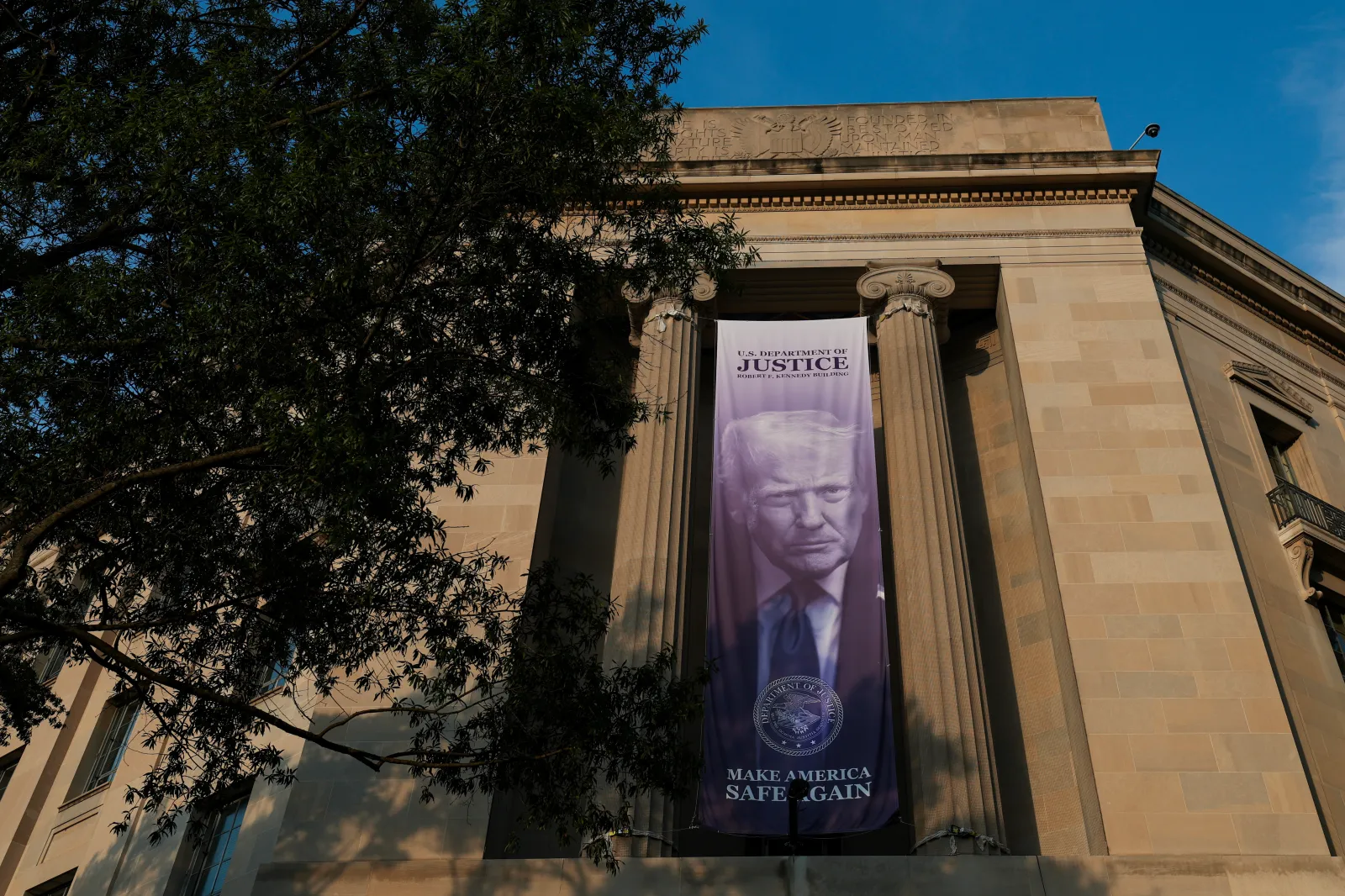
The lawsuit comes as the Trump administration launched what U.S. Attorney General Todd Blanche called the "largest denaturalization effort in modern history."
Akinkunmi did not have a listed attorney as of reporting on Monday morning.
Newsweek has reached out to the attorney representing the U.S. in the lawsuit for comment via email.
U.S. Denaturalization Announcement: What to Know
President Donald Trump promised a crackdown on illegal immigration upon his return to the White House in January 2025, but his administration has also looked at those who entered the U.S. legally, with multiple reports detailing detainment at interviews for green cards and citizenships.
In April, The Trump administration told Newsweek that it planned to drastically increase the number of denaturalizations.
As of early October, the Trump administration launched an effort to strip 40 naturalized Americans of their U.S. citizenship. The Justice Department said that they obtained citizenship illegally or fraudulently.
The cases span a range of alleged misconduct, from fraudulent marriages to immigration and identity fraud. The defendants vary in age from 26 to 76 and are from 20 countries.
"Every single one of these individuals lied their way into U.S. citizenship," Assistant Attorney General Brett A. Shumate of the Justice Department’s Civil Division said in a news release.
Naturalized U.S. citizenship can be revoked by a federal court if the government establishes that it was illegally obtained or procured through concealment of a material fact or willful misrepresentation.
Denaturalization is a procedure that is lengthy and complicated and has rarely been used by prior administrations. Between 1990 and 2017, the federal government initiated an average of around 11 denaturalization cases annually, per the Brennan Center for Justice.
In Trump’s first term, from 2017-2021, that figure rose to roughly 25 cases each year.
The U.S. Supreme Court has in the past imposed limits on the government's power to revoke citizenship. The 2017 case, Maslenjak v. United States, saw the court hold that an illegal act during the naturalization process must have played a role in obtaining citizenship.
Any denaturalization cases are likely to trigger legal challenges.
Contact Newsweek editors on this story: Matthew Cannon and Dave Siminoff.
View 0 Comments
Submit Correction
View Editorial & AI Guidelines