...

By Amir Daftari
News Reporter
0
Share
Newsweek is a Trust Project member
See more of our trusted coverage when you search.Prefer Newsweek on Googleto see more of our trusted coverage when you search.
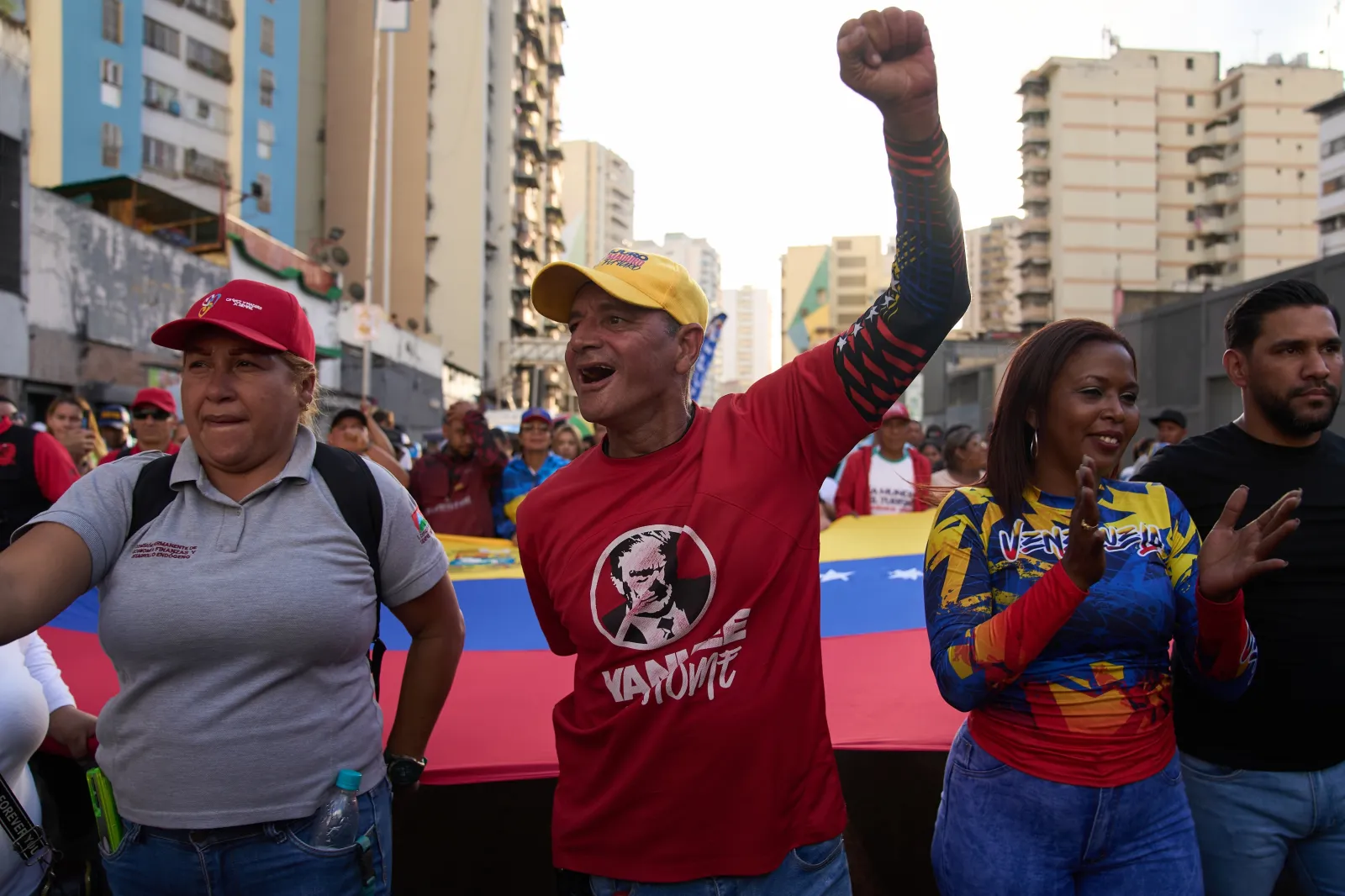
Venezuela has placed its armed forces on high alert amid rising tensions with the United States, announcing what Defense Minister Vladimir Padrino López described as a “massive deployment of ground, aerial, naval, riverine and missile forces.”
The order, issued Tuesday, includes the participation of police, militias, and citizens’ defense units as part of nationwide military exercises involving nearly 200,000 personnel.
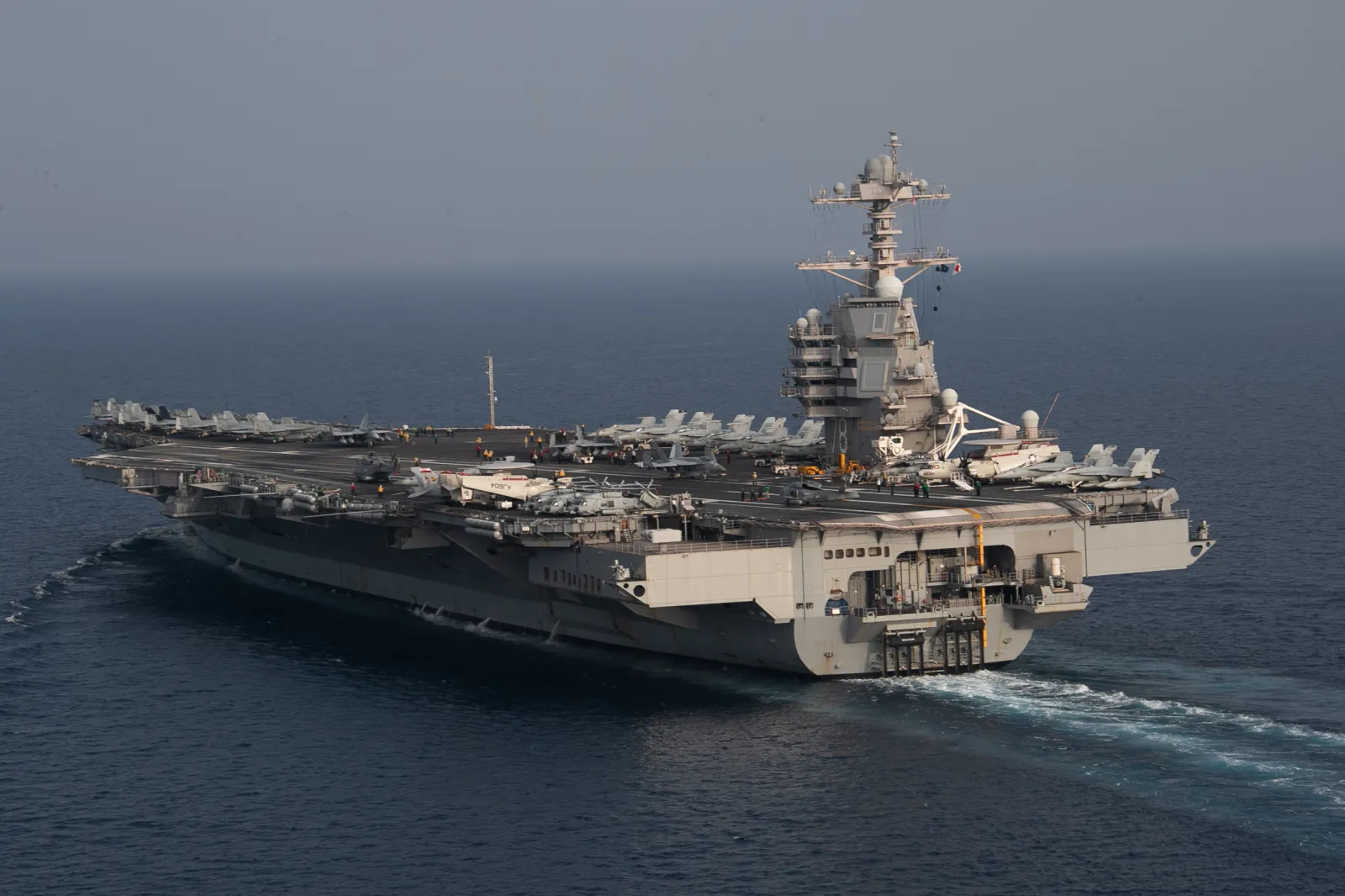
The move comes in direct response to the arrival of the USS Gerald R. Ford Carrier Strike Group—led by the world’s largest aircraft carrier—in Caribbean waters, a deployment that Caracas views as a prelude to a possible U.S. invasion aimed at removing President Nicolás Maduro from power.
Read More on News
Newsweek has contacted the State Department and Venezuela's Foreign Ministry for comment.
Why It Matters
The military standoff represents one of the most dangerous confrontations between Washington and Caracas in years. President Donald Trump’s administration has justified its regional buildup as part of ongoing operations “to disrupt illicit drug trafficking and protect the homeland,” but Venezuelan officials accuse Washington of “imperialistic” aims.
With both sides claiming defensive motives, the escalation risks tipping into open conflict. For Maduro, the threat of U.S. aggression has provided an opportunity to rally support amid widespread unrest and deepening international isolation following his disputed 2024 reelection.
...
What to Know
Speaking on state TV, López said the armed forces’ exercise aims to demonstrate Venezuela’s readiness to respond to any “imperialist aggression.” The 200,000-strong deployment includes ground troops, air defense systems, missile units, and maritime patrols.
The Ministry of Defense emphasized that the maneuvers are meant to protect national sovereignty and deter U.S. military interference. The government also mobilized citizen militias and police units to coordinate with the military in key regions across the country.

...
Defense Strategy
In tandem with the deployment, Venezuela’s National Assembly passed a new defense law to strengthen coordination between civilians and the armed forces. National Assembly President Jorge Rodríguez said the measure introduces “a new way of dealing with the deployment, compliance with orders, the movement of troops and, above all, the conjunction between the people and the armed forces.” The law seeks to unify command and enhance preparedness amid growing regional tension.
U.S. Military Escalation
The Pentagon confirmed that the Gerald R. Ford Carrier Strike Group—consisting of more than 4,000 sailors, tactical aircraft, and accompanying warships—had entered the Caribbean under U.S. Southern Command. Washington has also expanded troop deployments and training operations in nearby territories including Puerto Rico, El Salvador, Panama, and Trinidad and Tobago.
The buildup follows a series of at least 19 U.S. airstrikes launched since September 2 against alleged drug-trafficking vessels in the Caribbean and eastern Pacific, reportedly killing around 75 people. Trump has suggested that “land strikes are going to be next,” though he denied any immediate plans to target Venezuela.
...
Where Is the U.S. Southern Command Area of Responsibility?
The U.S. Southern Command (USSOUTHCOM) oversees a vast operational zone that spans 31 nations and 12 territories across Latin America and the Caribbean, covering roughly one-sixth of the Earth’s surface assigned to regional unified commands. Its Area of Responsibility stretches from the southern border of Mexico through Central and South America, encompassing countries such as Colombia, Brazil, Argentina, and Chile, as well as the surrounding waters of the Caribbean Sea.
The command also includes numerous island nations and territories, including Cuba, the Dominican Republic, Jamaica, and Puerto Rico, underscoring USSOUTHCOM’s extensive reach across the Western Hemisphere.
What People Are Saying
Venezuela's Defense Minister Vladimir Padrino López said on Tuesday: "The aggression will be responded to with national unity. We are ready here; we don't want war."
U.S. Defense Secretary Pete Hegseth wrote on X on November 7: "As we’ve said before, vessel strikes on narco-terrorists will continue until their poisoning of the American people stops."
What Happens Next
As the U.S. maintains its largest military buildup in the Caribbean in decades and Venezuela mobilizes in response, tensions between the two nations continue to rise. Both governments insist their actions are defensive, but with opposing forces now positioned across the Caribbean, the situation has entered a critical phase where even a minor misstep could trigger direct confrontation.
View 0 Comments
Submit Correction
View Editorial & AI Guidelines