...

By Soo Kim
Reporter
0
Share
Newsweek is a Trust Project member
See more of our trusted coverage when you search.Prefer Newsweek on Googleto see more of our trusted coverage when you search.
Ever wish you could just open the windows on a plane to get some air or soak up the sun? Well, you can if you're a pilot, according to a viral video on TikTok.
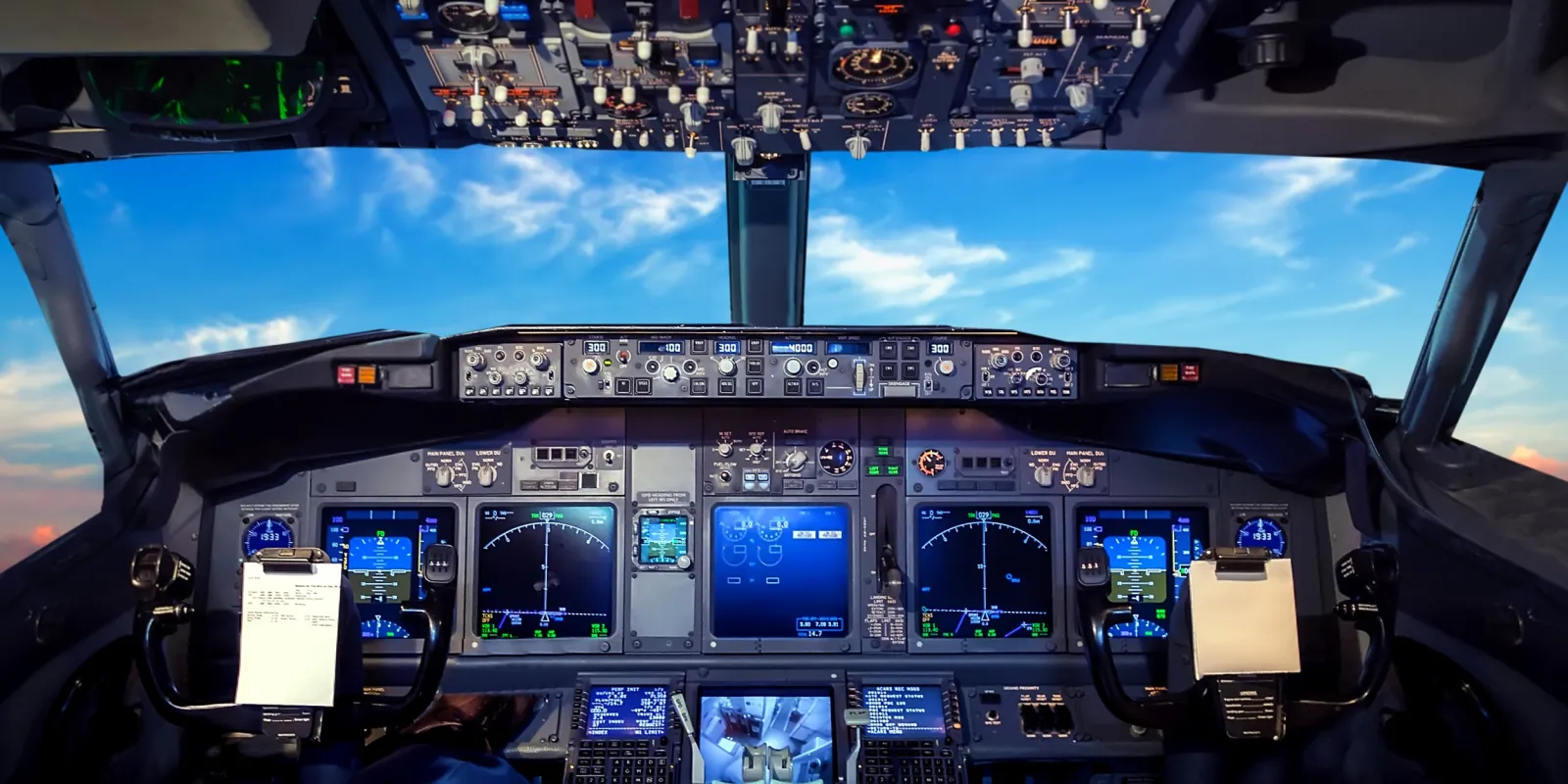
In a clip shared on TikTok, where it has received 2.8 million views, Sabrina Johnson (@sabrinaleej), a Colombian pilot, showed that the side windows of the cockpit seat can be opened when the plane is grounded.
Johnson says in the clip: "If you guys didn't know, on airplanes, we have windows that can open." The pilot is seen sitting inside a cockpit, pulling a handle on the window from left to right to slide the window open. "And they close right here," she says, pressing a button just below the window before pulling the handle in the opposite direction to close the window.
Read More
‘I Was Paralyzed’: Man Recalls Waking Up On Bathroom Floor After A Party7 min read

The Best Time to Run to Reduce Belly Fat, According to a Fitness Instructor5 min read

My Neighbor Hits Golf Balls Into My House—What Should I Do?6 min read

...
The latest clip comes after a passenger aboard an Asiana Airlines flight was arrested in late May after opening an emergency exit door during the flight. The incident took place as the plane, which departed from the South Korean island of Jeju, was approaching the airport in the city of Daegu, South Korea, at an altitude of 700 feet, according to the Associated Press.
The incident caused air to be blasted inside the cabin. Nine passengers, all teenagers, were sent to a hospital following breathing issues, according to a Daegu fire department official, Reuters reported at the time.
Asiana Airlines told CNN: "The airplane is automatically set to adjust the pressure of the cabin according to the altitude of the aircraft. When the aircraft is high up in the air, it is impossible to open the door, but when the altitude is low and close to landing, the door can be opened."
Being able to open the plane windows on the ground may be one of the several perks of being a pilot. But sitting in the cockpit also comes with health risks, such higher exposure to UV rays, according to a 2015 study of airline crew, published in the peer-reviewed JAMA Dermatology.
The study found that airline pilots and cabin crew are "exposed to higher levels of cosmic and UV radiation than the general population." They have around "twice the incidence of melanoma [a type of skin cancer] compared with the general population."
The pilot in the latest viral clip raised a shade over the closed plane window of the cockpit, saying: "It's a little warm so I guess I'll do that."
Johnson said the windows don't open during a flight because "the limitation on that is less than 160 knots (184 mph)."
She added: "Theoretically, because of the pressure, I can't try to open the window at cruising altitude. It won't let me. I won't have the strength to [do so]."
The common cruising altitude for most commercial planes is between 33,000 feet and 42,000 feet, according to the Pilot Institute, an aviation training provider based in Arizona.
"So don't worry. No one's up here opening your windows. It's just for when we're sitting on the ground," Johnson said.
Several users on TikTok were amused and impressed by the latest revelation in the viral clip.
User emj6969 wrote: "how else would they get drive-through MCDs [McDonald's fast food]."
Dog assassins also wrote, "Drive through," to which the original poster replied: "I'll order a McDouble for you."
Demps commented: "That's not fair, why don't the passenger windows do that."
Jess wrote "imagine that breeze tho," while Petrol_burner posted: "It's the escape window for the pilots."
Newsweek has contacted the original poster for comment via TikTok. This video has not been independently verified.
Do you have a unique travel-related video to share? Send it to life@newsweek.com with some details and your story could be featured in Newsweek.
View 0 Comments
Submit Correction
View Editorial & AI Guidelines