...

By Sam Stevenson
Associate News Editor
0
Share
Newsweek is a Trust Project member
See more of our trusted coverage when you search.Prefer Newsweek on Googleto see more of our trusted coverage when you search.
In 1998, a sample of Americans was asked to make predictions about what they thought the year 2025 would bring—here's what they got right (and wrong).
- Perspective: Trump’s Health Story That Won’t Go Away
- Uncommon Knowledge: America Faces a New Axis of Resistance
Why It Matters
A special survey conducted toward the end of the 20th century captured Americans' hopes and anxieties about life in 2025, a decades-away future at the time.
Read More on News
Now that 2025 has ended, examining the accuracy of these predictions shows not only what Americans anticipated but also how national sentiment has shifted over almost three decades.
...
What To Know
In September and October of 1998, Gallup—in partnership with USA Today—asked 1,055 American adults via telephone for their predictions about 2025, archiving their responses via the Roper Center at Cornell University.
The survey covered expectations about politics, technology, health and social issues.
These historical outlooks help contextualize present-day realities and underscore the pace and unpredictability of societal progress.
In the late 1990s, the United States was at the cusp of profound technological and societal change.
At the time, the nation was focused on events such as President Bill Clinton's impeachment inquiry and the peace achieved in Northern Ireland by the Good Friday Agreement, while emerging internet technologies and medical advances captured the public imagination.
The results showed a mix of optimism and concern: 53 percent of respondents believed the quality of life for average Americans would improve by 2025, while 42 percent thought it would worsen.
Most expected life to get harder for the poor (with 35 percent predicting an improvement for this group) and easier for the wealthy (with 69 percent expecting a better quality of life for the rich), according to Gallup.
Americans anticipated significant societal changes, including the emergence of a deadly new disease, and the election of a Black president—which 69 percent predicted.
However, many forecast technological and medical advances that did not materialize: 61 percent believed routine life expectancy would reach 100 years, while over 50 percent expected a cure for cancer.
The survey also indicated widespread pessimism: 71 percent believed raising children would become more challenging, 70 percent expected an increased threat of terrorism and most foresaw declining personal privacy and moral values—with many expecting the environment to worsen and crime rates to rise.
...
What Americans Predicted Correctly
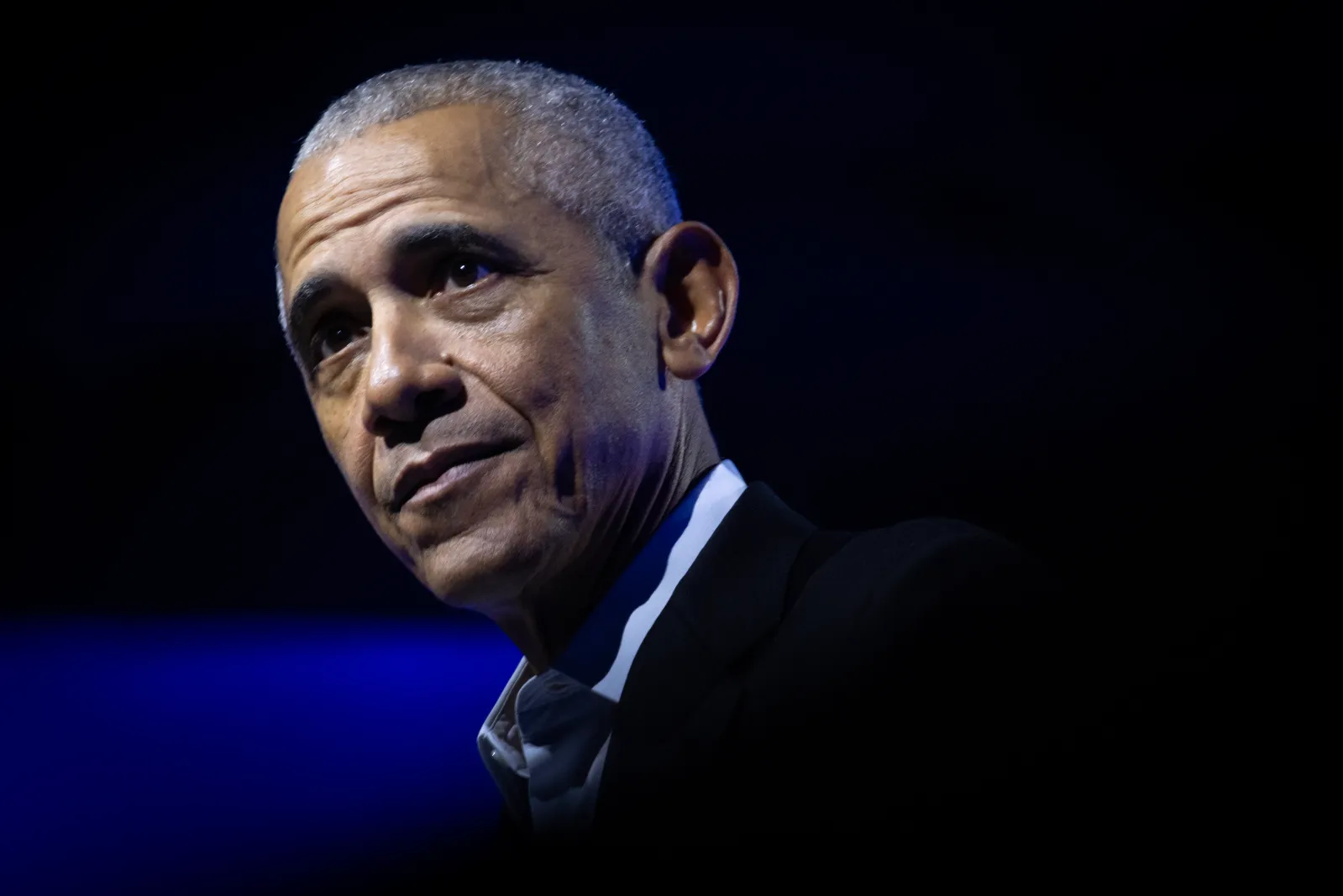
- A Black president: In the 1998 survey, 69 percent of respondents predicted the nation would have elected a Black president by 2025. This was realized with the election of Barack Obama in 2008.
- The legalization of gay marriage: 74 percent expected same-sex marriage to be legal and commonplace, accurately predicting the 2015 Supreme Court decision legalizing it nationwide.
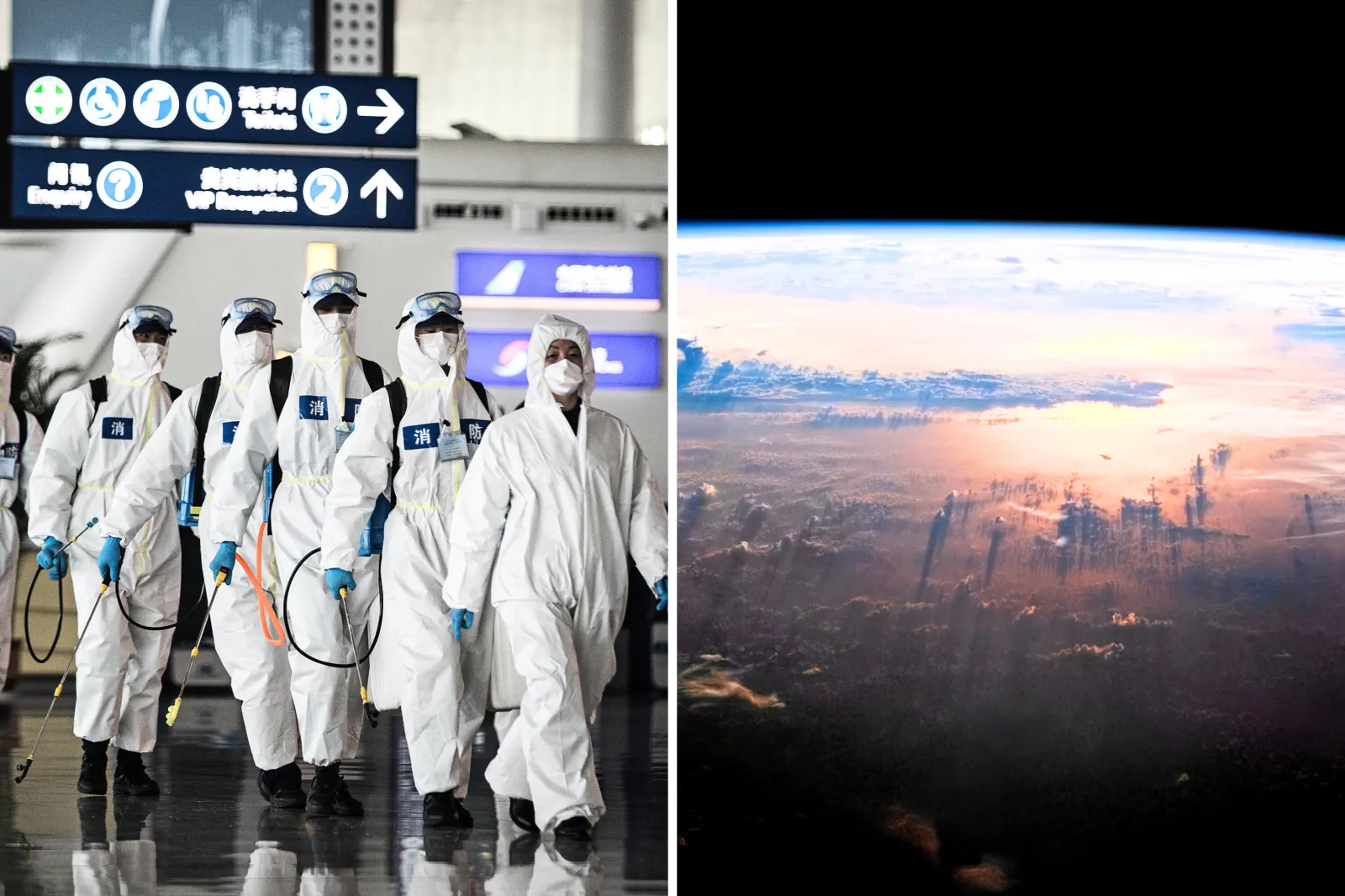
- A deadly disease outbreak: 76 percent forecast a new deadly disease—a prescient response ahead of the COVID-19 pandemic, which spread worldwide in early 2020.
- The rise of online shopping and remote work: 56 percent thought online shopping would largely replace in-store purchases, and 52 percent anticipated mainstream remote work—reflecting the transformation of commerce and workplace norms, especially after 2020.
- Expectations for universal space travel, mass transit and alien contact: Few believed ordinary space travel (29 percent) or alien contact (26 percent) would be common, and their skepticism proved correct. And only 38 percent thought cars would be replaced by mass transportation.
What They Got Wrong
- The first female president: 66 percent believed the country would have elected a woman president by 2025.
- The cure for cancer and 100-year life expectancy: 59 percent anticipated a cure for cancer, while 61 percent believed that living to 100 would be routine.
Up for Debate
- A reduction in personal freedom and privacy: Almost eight in 10 predicted less privacy for Americans, and 57 percent anticipated less personal freedom. While concerns about digital privacy have grown, measuring actual freedom and privacy remains complex.
- Improvements in race relations and health care access: 66 percent predicted better race relations, while 66 percent also expected greater medical care availability. It is difficult to conclude with certainty whether race relations have improved across the board since the late '90s. While the representation of minorities in education and employment has improved in some areas, civil rights laws and affirmative action policies have come under attack and persistent disparities remain in housing and criminal justice. Surveys also show mixed views when it comes to public opinion trends. According to a 2023 Pew Research survey, about 52 percent of U.S. adults said the country had made "a great deal or a fair amount of progress" toward racial equality over the past 60 years, but 15 percent believed there had been little or no progress. On the topic of health care access more broadly, while it has improved for many, readily available access remains out of reach for others as affordability concerns persist.
- Harder to raise children: Some 71 percent believed it would be more difficult to raise children "to be good people." This is a subjective assessment and is difficult to quantify.
What People Are Saying
Mary Claire Evans, the deputy director of news at Gallup, and Lydia Saad, Gallup's director of U.S. social research, wrote in the report: "Americans began to envision a future where online shopping would replace trips to the mall and working from home would become increasingly common. At the same time, they harbored significant worries about the future: a rise in terrorism, more wars and environmental disasters, and trouble finding and keeping good jobs.
"In science and medicine, the possibilities felt expansive. In 1996, Dolly the Sheep had been cloned, and Viagra was approved by the FDA two years later. Americans expected major advances by 2025, whether in terms of living longer, curing serious diseases or improving access to medical care.
"But most also foresaw more difficulty in affording health care and expected a deadly new disease to emerge. Americans anticipated progress on race relations and broader representation in the Oval Office, but they also predicted higher crime rates and an erosion of moral values. Some of these predictions have materialized, others have not, and others are subject to interpretation."
What Happens Next
As the United States moves further into the 21st century, ongoing public opinion polling will continue to track how Americans view their own future, informing policymakers, scholars and everyday citizens.
View 0 Comments
Submit Correction
View Editorial & AI Guidelines