...

By Andrew Stanton
Reporter
0
Share
Newsweek is a Trust Project member
See more of our trusted coverage when you search.Prefer Newsweek on Googleto see more of our trusted coverage when you search.
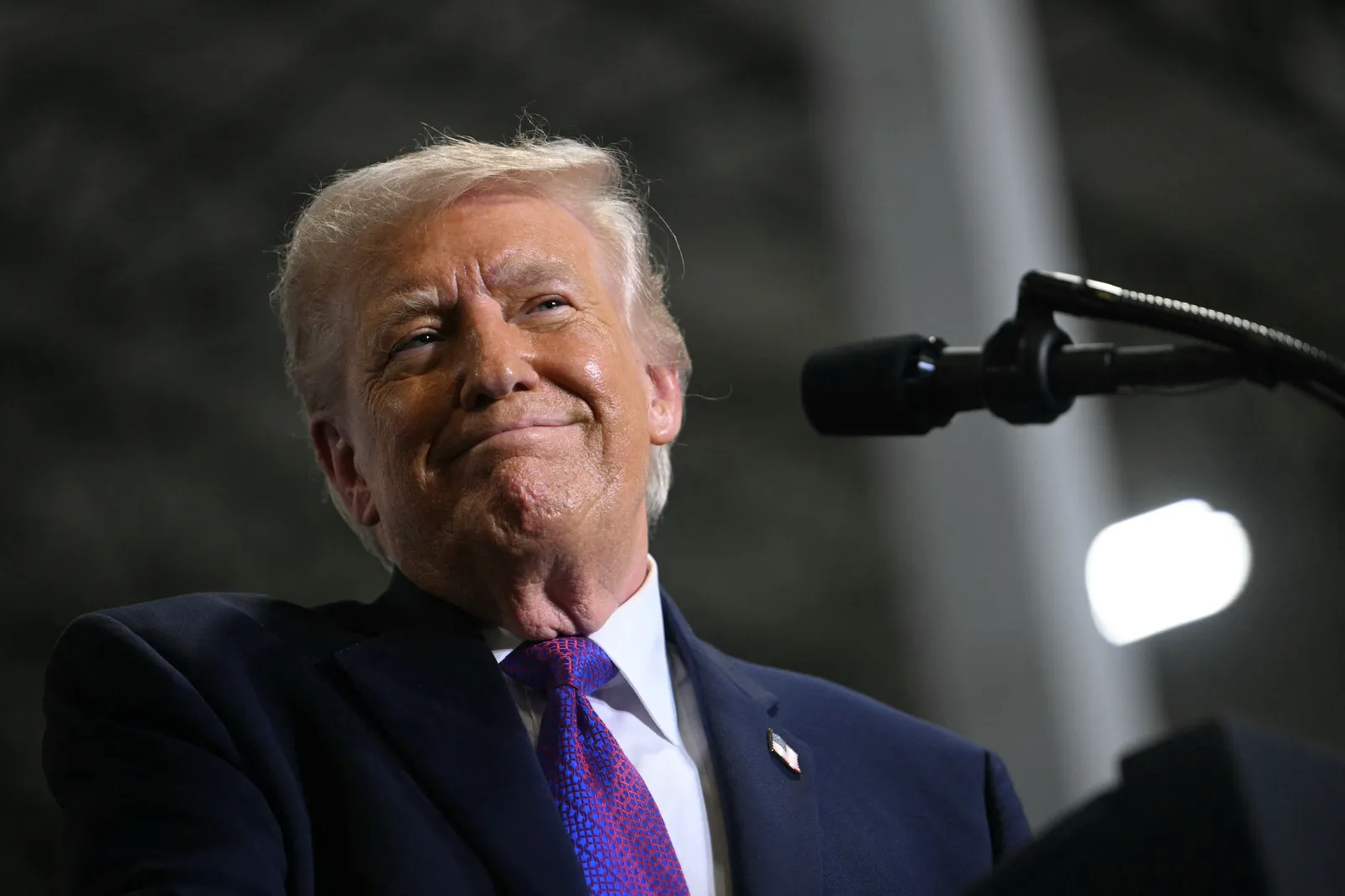
President Donald Trump signaled that his administration may tap into the U.S. Strategic Petroleum Reserve to alleviate pain at the pump amid the ongoing Iran war.
Later Wednesday, the U.S. announced that it will release 172 million barrels of oil from the reserve as part of IEA effort to combat gas prices. That amounts to roughly 41.4% of the total stockpile of 415 million barrels.
U.S. Energy Secretary Chris Wright said the release would begin next week and take about 120 days to complete based on planned discharge rates. He added that the United States plans to replace roughly 200 million barrels of oil within the next year.
Read More on Politics
Newsweek reached out to the White House for comment via email.
Why It Matters
The United States and Israel struck Iran in a military operation dubbed Operation Epic Fury on February 28 after failed talks between the U.S. and Iran to address Iran’s nuclear program. The strikes have continued in the days since and killed Iran’s supreme leader, Ayatollah Ali Khamenei. Seven U.S. service members have died in the conflict within its first 10 days.
The war also carries economic stress—particularly around the price of oil—which further squeezes Americans' budgets already stung by cost-of-living increases. It also triggers political tension for Republicans ahead of the 2026 midterm elections as polls favor Democrats to pick up seats in Congress.
What To Know
Trump gave an update on whether his administration would tap the oil reserves, in an interview with Cincinnati-based news station WKRC.
“I filled it up once, and I’ll fill it up again, but right now, we’ll reduce it a little bit, and that brings the prices down,” he told the station. “We have to get rid of the evil, it was great evil, taking place in Iran, as you know, and our military has been unbelievable.”
His comments arrived after the Paris-based International Energy Agency (IEA) said it will make 400 million barrels of oil available from its members’ emergency reserves to combat climbing oil prices amid the war.
“This is a major action aiming to alleviate the immediate impacts of the disruption in markets,” IEA executive director Fatih Birol said. “But, to be clear, the most important thing for a return to stable flows of oil and gas is the resumption of transit through the Strait of Hormuz.”
How Expensive Is Oil?
The price of oil remained high on Wednesday. Brent futures rose just under 5 percent to $91.98 per barrel, while West Texas Intermediate increased 4.6 percent to $87.25 per barrel, Reuters reported.
Why Are Oil Prices Rising?
Oil prices have surged as the war involving Iran widened, sparking uncertainty across global energy markets.
The Strait of Hormuz, a critical chokepoint for global oil transport, has been a focal point of concern, with fears that any prolonged instability could significantly constrain supply.
...
The Strait of Hormuz lies between Iran to the north and Oman to the south, with shipping lanes passing through the territorial waters of both countries but governed by international maritime law. Iran exerts significant influence because of its long northern coastline and control of nearby islands overlooking the narrow lanes, while Oman oversees the southern side.
The United States and allied navies also operate in the area to protect freedom of navigation, though Iran’s military posture has given it leverage during periods of conflict.
Roughly 20 million barrels of oil per day, about one‑fifth of global petroleum consumption, normally pass through the Strait of Hormuz, according to U.S. Energy Information Administration data. The waterway is also a critical route for liquefied natural gas, carrying about 20 percent of global LNG trade, largely from Qatar. Most of the oil shipped through the strait is bound for Asian markets, making disruptions especially significant for global energy prices.
Shipping has declined due to Iranian threats, missile and drone attacks near the waterway and U.S. military strikes on suspected Iranian minelaying vessels. Many shipping companies and insurers have pulled back because of safety risks and soaring insurance costs, effectively halting commercial traffic even without a formal blockade.
Trump Answered Newsweek Question About Strait of Hormuz
Trump, while departing the White House for a trip to Kentucky and Ohio, earlier responded to a question from Newsweek's Leonardo Feldman about reopening the crucial strait to cargo, "It’s working out very well, and I think you are going to see that."
The president has sought to temper fears around oil prices. “Short term oil prices, which will drop rapidly when the destruction of the Iran nuclear threat is over, is a very small price to pay for U.S.A., and World, Safety and Peace. ONLY FOOLS WOULD THINK DIFFERENTLY! President DJT,” he wrote on Truth Social Sunday.
Over the weekend, Trump also downplayed the idea of turning to the Strategic Petroleum Reserve.
What People Are Saying
Interior Secretary Doug Burgum, to CNBC Wednesday: “I think what you’re hearing out of the IEA today is reasonable on their part, but clearly whether the U.S. participates is up to President Trump; he’ll make the final decision on that.”
Senate Minority Leader Chuck Schumer, New York Democrat, in a statement encouraged Trump to tap into the reserve: “The Strategic Petroleum Reserve exists for moments exactly like this. When wars and global crises disrupt energy markets, the United States has the ability to act, but President Trump and his administration are refusing to do so. Trump should release oil from the SPR now to stabilize markets, bring prices down, and stop the price shock that American families are already feeling thanks to his reckless war.”
What Happens Next
Trump did not provide details on when a final announcement would be made on the oil reserve or how much would be released. Oil prices could remain high as the war continues.
View 0 Comments
Submit Correction
View Editorial & AI Guidelines