
...

By Daniel Orton
News Editor
0
Share
Newsweek is a Trust Project member
See more of our trusted coverage when you search.Prefer Newsweek on Googleto see more of our trusted coverage when you search.
U.K. Prime Minister Rishi Sunak on Wednesday announced a snap general election to take place on July 4.
"Now is the moment for Britain to choose its future," he said, as rain poured down on him and the opposition Labour party's 1997 election anthem, "Things Can Only Get Better" blared out nearby from where people gathered outside Downing Street.
Sunak made the announcement after calling a Cabinet meeting on Wednesday afternoon. Foreign Secretary Lord Cameron, himself a former prime minister, was reported to have cut short a trip to Albania to return to London.
Read More on World
The election outcome in six weeks will decide whether Sunak remains as prime minister, or if the Labour Party under Keir Starmer will return to power after 14 years in opposition.
"Together we can stop the chaos, turn the page, and we can start to rebuild Britain and change our country," Starmer said following the prime minister's announcement.
...
What is a snap general election?
Unlike the U.S., the U.K. can initiate a general election that is called earlier than expected, outside of the regular electoral schedule of every five years. The last election was held in December 2019, so at the very latest the next one must take place by the end of January 2025.
Most lawmakers, analysts and political commentators agreed that the election would be announced for some time in 2024, but there was no consensus on the time of year, let alone a date.
Snap general elections are often used strategically to gain political advantage or resolve legislative impasses.
...
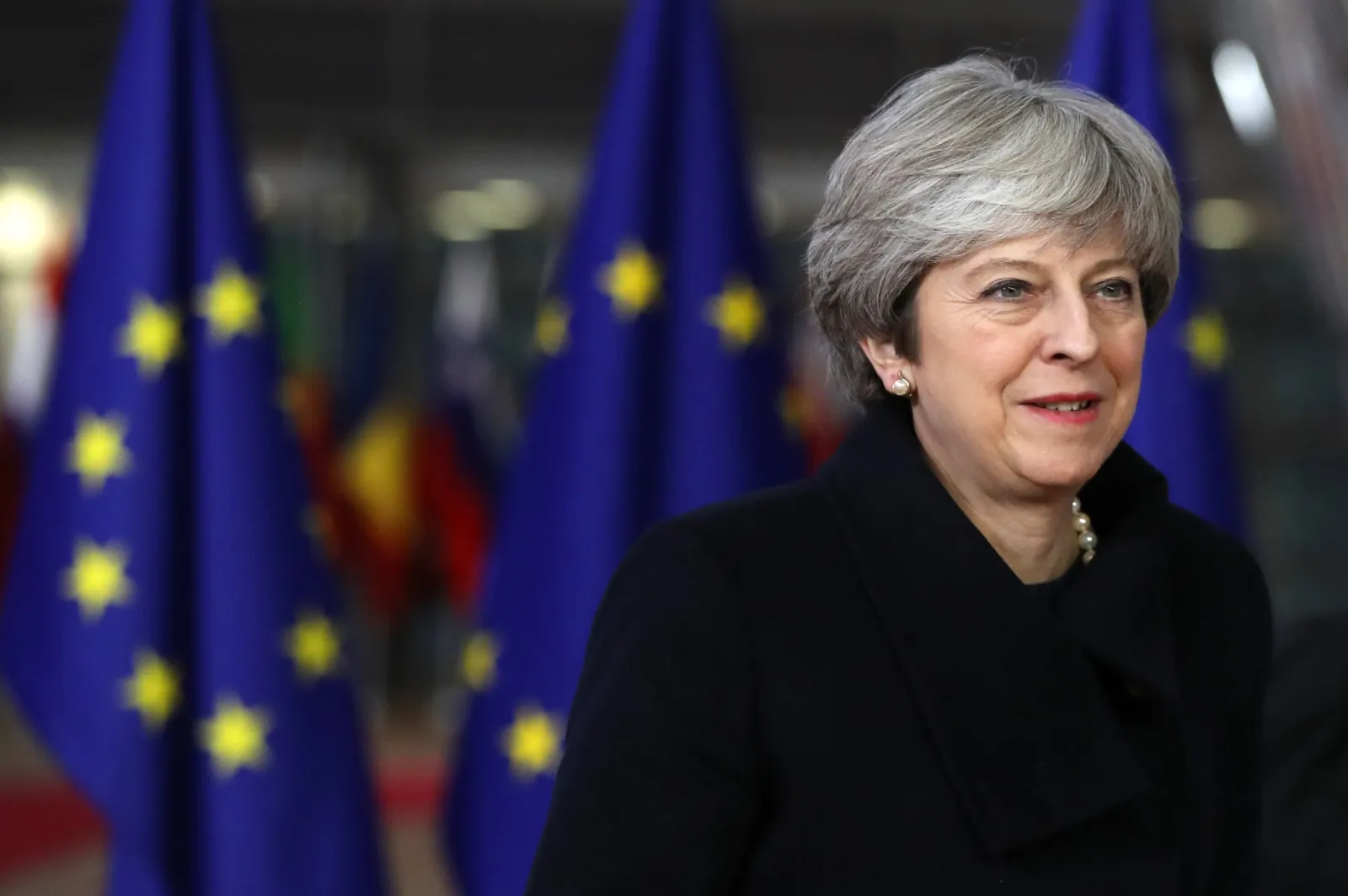
The last two general elections in the U.K. have been snap elections. In 2017, then-Prime Minister Theresa May called a snap election in the hope that she could increase the governing Conservative party's majority in the House of Commons and strengthen her hand in Brexit negotiations. The Conservatives ended up losing their majority, leaving May heading up a minority government and ensuring she never succeeded in getting her Brexit deal to pass.
Her successor, Boris Johnson, also hoped a snap election would break parliamentary deadlock over Brexit in 2019. In that instance, the Conservatives won back a majority and the U.K. left the EU on January 31, 2020.
What do the polls say?
Recent polls have consistently put Labour ahead of the Conservatives by around 20 points, indicating a potential Labour landslide in the making.
In a note to Newsweek, James Crouch, the head of policy and public affairs at polling company Opinium said, "Up until now it's been clear the government's poor poll ratings have been driven by loss of confidence in dealing with the cost of living crisis, running public services and handling immigration."
He said that the Conservatives would have to prove to voters that they can tackle these issues to overcome Labour's lead on all three.
One Conservative party staffer told Newsweek: "If we are going to charge into the Valley of Death at least we are doing it when sunny."
View 0 Comments
Submit Correction
View Editorial & AI Guidelines