...

By Jennifer Cunningham
Editor-in-Chief
0
Share
Newsweek is a Trust Project member
See more of our trusted coverage when you search.Prefer Newsweek on Googleto see more of our trusted coverage when you search.
April was a month for wars: past, present, and future.
The ceasefire in Iran did little to calm the fighting behind the scenes. President Donald Trump said Iran had "no cards," but had he overplayed his own hand? Meanwhile, a special royal visitor arrived to remember the war that broke free of his throne’s control over our nascent nation 250 years ago. And Cuba knows it's on notice, the threat of war hanging over an island squeezed by failed communist policies and Washington's chokehold.
Up on Capitol Hill, Republican women are waging war on sexual misdeeds in Congress. On social media, Trump and Jack Dorsey offered a war of words, though they were saying the same thing. And the president almost created a fresh schism in Christianity with a Jesus-like depiction of himself, when another, more ancient deity would have perhaps made a more fitting choice.
Read More on Politics
Here are my six favorite articles from the month that made sense of it all and are available exclusively to members:
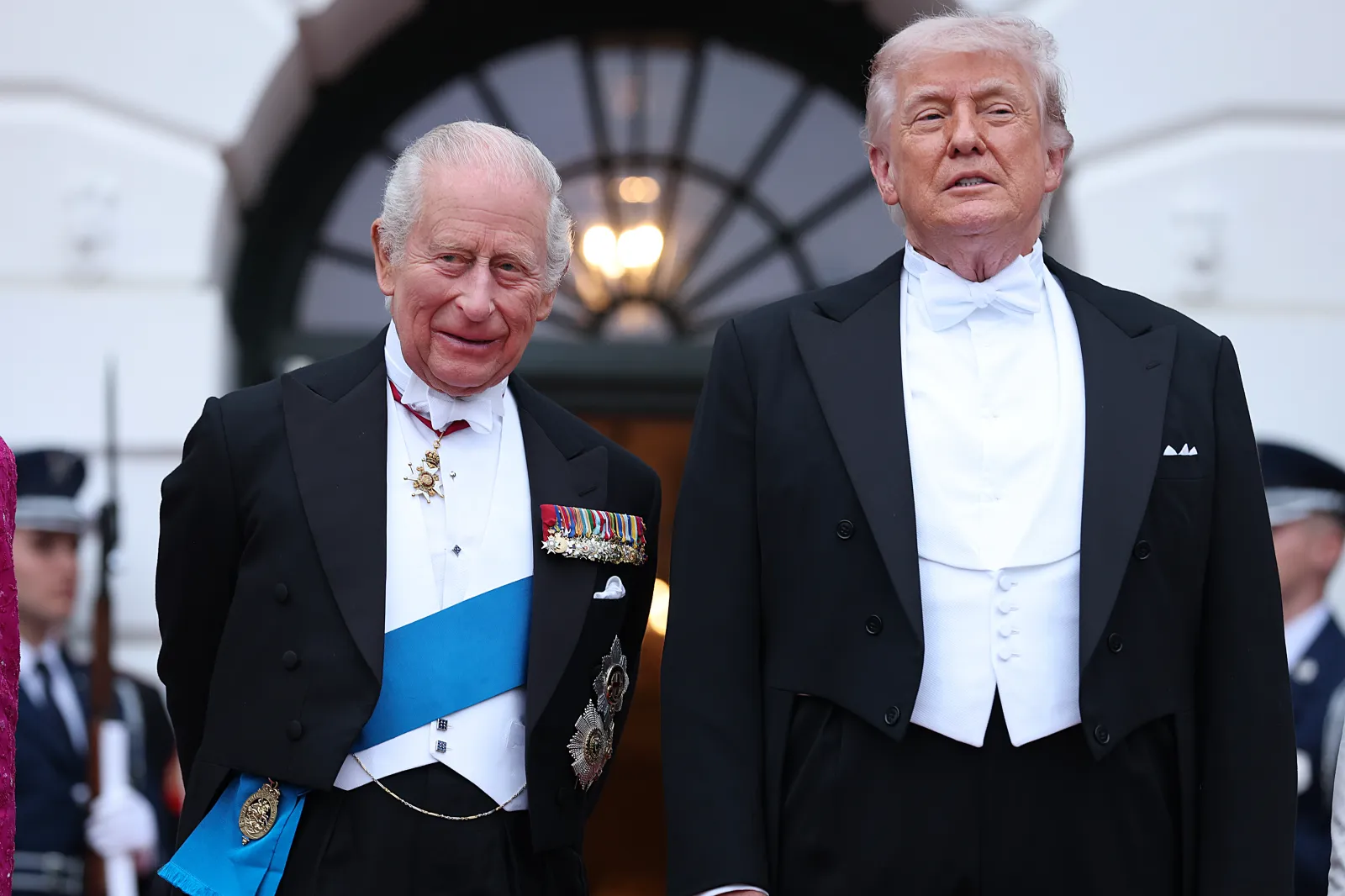
The Inversion of Donald Trump and King Charles
...
In this Perspective, explore how King Charles III’s U.S. state visit exposes an ironic reversal in Anglo-American political life. While Americans once rejected monarchy, Britain’s king now holds mostly ceremonial authority, with real power constrained by Parliament and constitutional convention.
By contrast, the U.S. presidency has accumulated increasingly king-like powers through executive authority, veto power, commander-in-chief status and expanded legal immunity.
The piece also contrasts Britain's visible class system with what it calls an "Ameristocracy" of dynastic wealth, elite education and entrenched privilege.
In that light, anti-Trump "No Kings" protests are framed as more politically urgent than British republicanism, because Charles is largely symbolic, while Trump’s office has practical power to act.
Republican Women Lead Congress’ #MeToo Moment
...
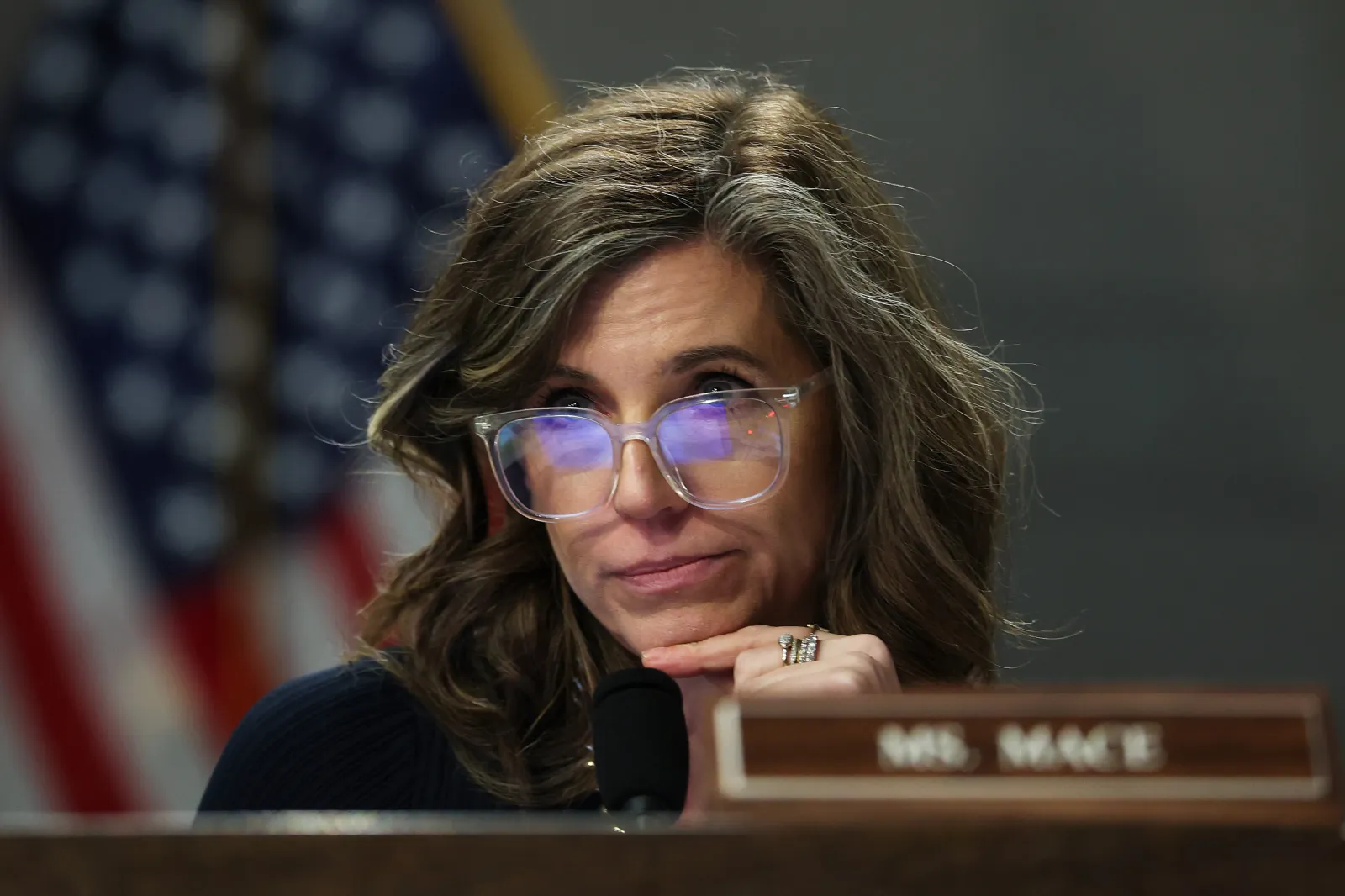
We spoke with Republican women in the House who are leading a renewed push for sexual misconduct accountability in Congress, with Representatives Nancy Mace, Anna Paulina Luna, and Lauren Boebert pressing for more transparency and stronger scrutiny of members from both parties.
The campaign intensified after Representatives Eric Swalwell, a California Democrat, and Tony Gonzales, a Texas Republican, announced they would step down amid misconduct allegations and possible expulsion efforts.
Our article frames the resignations as part of a broader test of whether Congress can police itself, noting that leadership has often resisted wider disclosure of ethics investigations on privacy and due process grounds.
Critics question the GOP lawmakers’ consistency because of their support for Donald Trump, but Luna says the issue is not partisan.
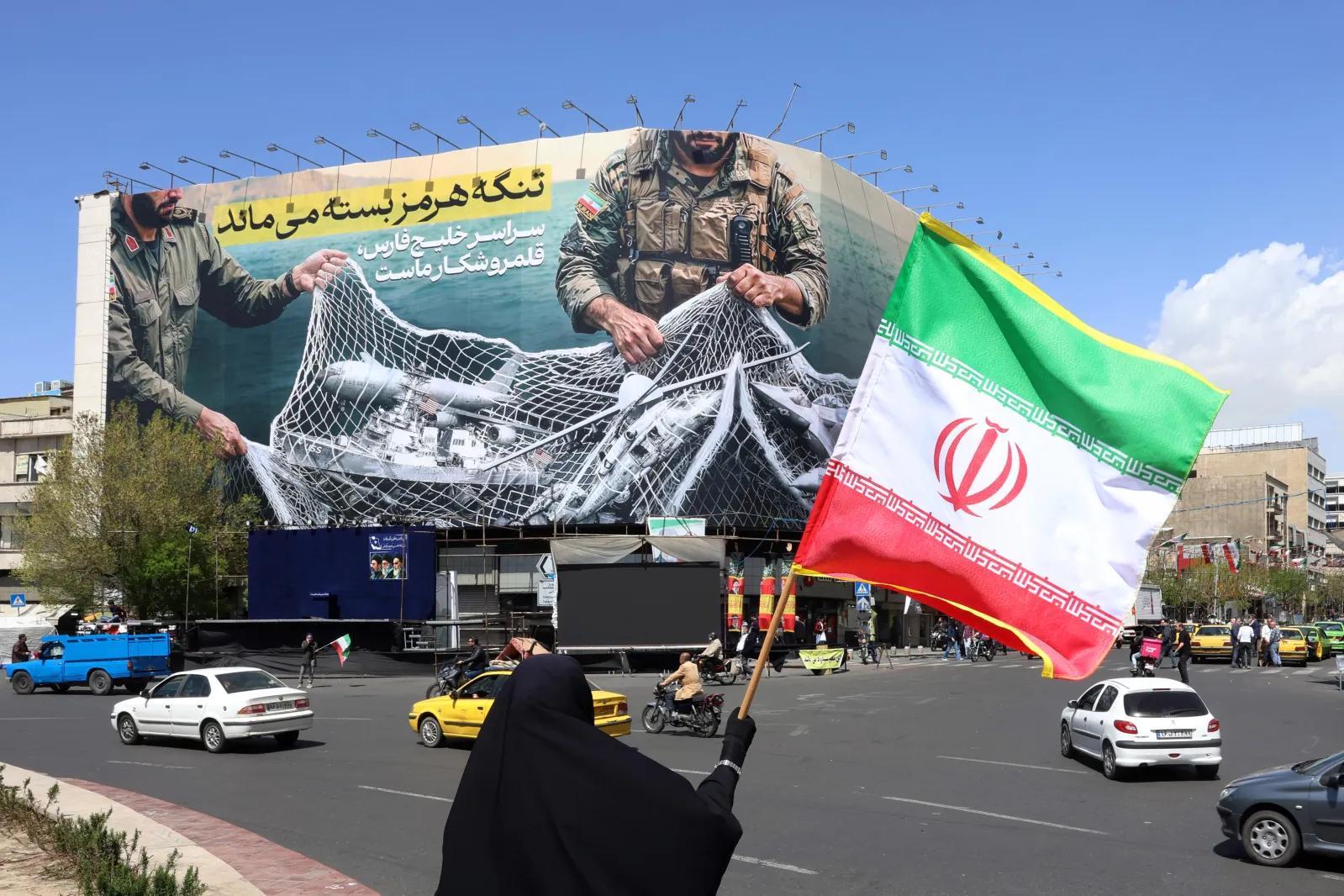
Trump Is Right—Iran Has No Cards as Blockade Clock Ticks Down to May
...
This Perspective looks beyond the knee-jerk criticism of the president to make the case that Trump’s claim that Iran has "no cards" is increasingly accurate because the U.S. blockade is creating a physical oil-storage crisis for Tehran. It says Iran previously exported large volumes of crude, much of it to China, but if shipments slow to a trickle, oil that would have left the country must instead be stored domestically.
Iran may have only about 20 to 24 days of usable onshore storage before it must either restore exports or shut in production. Kharg Island, Iran’s main crude export hub, is the key bottleneck. Large-scale shut-ins could permanently damage mature oil fields, turning Iran’s energy leverage into vulnerability.
Uncommon Knowledge: The Font of Power
...
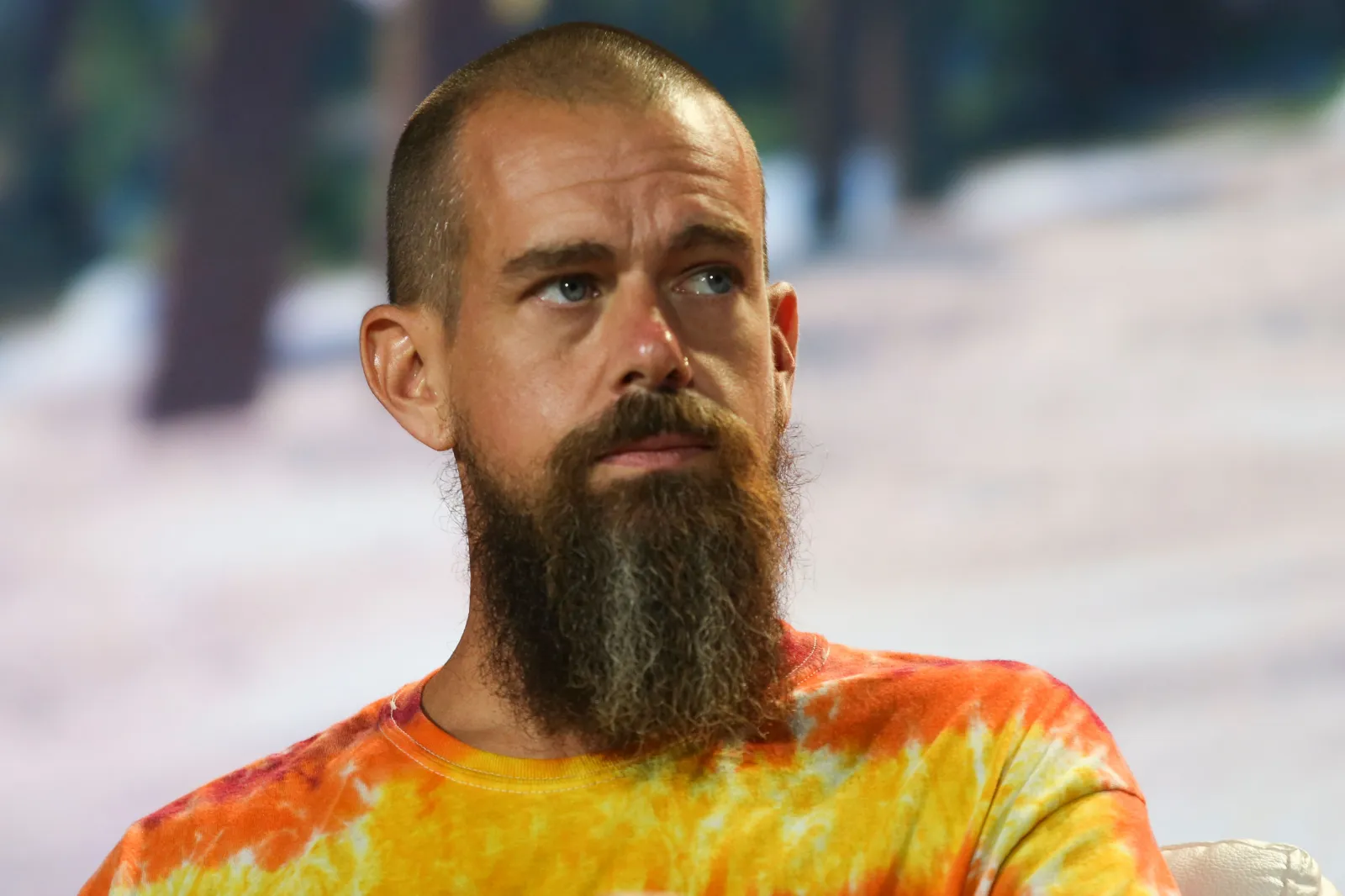
As this Uncommon Knowledge lays out, Donald Trump and Jack Dorsey represent two seemingly opposite but related styles of American power. Dorsey’s lowercase, calm corporate language—seen in his communications about major Block layoffs—is presented as a softer, elite vernacular that signals confidence and control. Trump’s all-caps Truth Social posts, by contrast, embody urgency, threat and political spectacle.
Yet the piece says both styles deliver the same underlying message: powerful people are making decisions, and everyone else must adjust. It notes that research on capitalization and texting style suggests format changes how readers judge tone and sincerity, but the substance matters more than typography. The article concludes by imagining each using the other’s style, showing that power remains power whether whispered in lowercase or shouted in caps.
Donald Trump as Jesus? He Chose the Wrong Deity
...
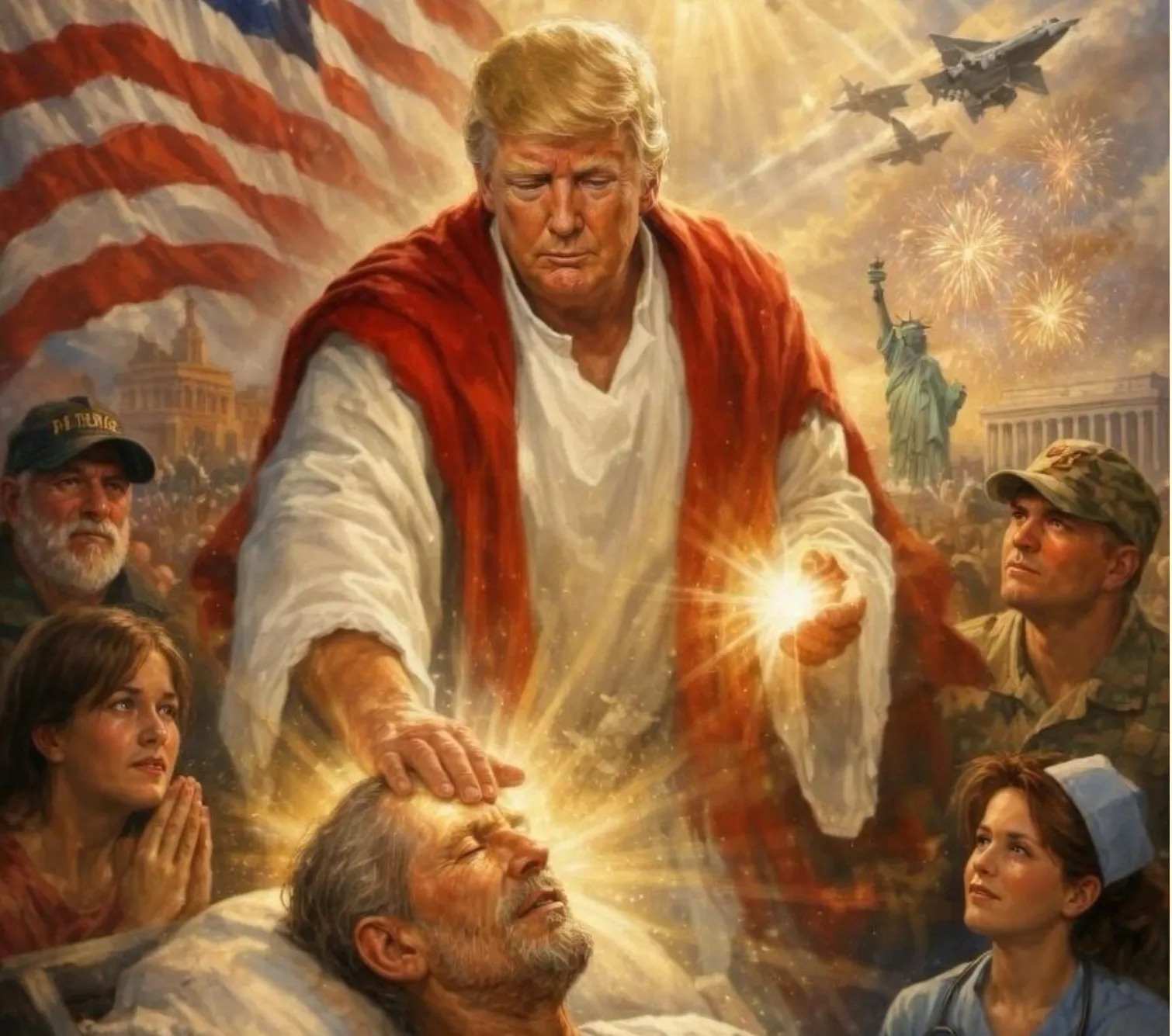
Trump’s Christ-like Truth Social image misunderstands his own political mythology, says this Perspective. While the image drew criticism for using Christian visual language, the piece says Trump’s governing style is much closer to Zeus than Jesus.
Christ is presented as a figure of restraint, nonviolence and moral sacrifice, whereas Trump’s politics emphasize domination, spectacle, loyalty and "peace through strength." The article compares Trump’s thunderous public style, boundary-pushing executive power and punishment of dissenters to Zeus’s volatile, hierarchical rule from Olympus.
Still, it says the analogy is imperfect because Zeus ultimately creates order, while Trump’s politics thrive on disruption and permanent conflict. The conclusion: Olympus explains Trump’s presidency better than Calvary.
An Inside Look at Cuba’s Fight for Survival
...
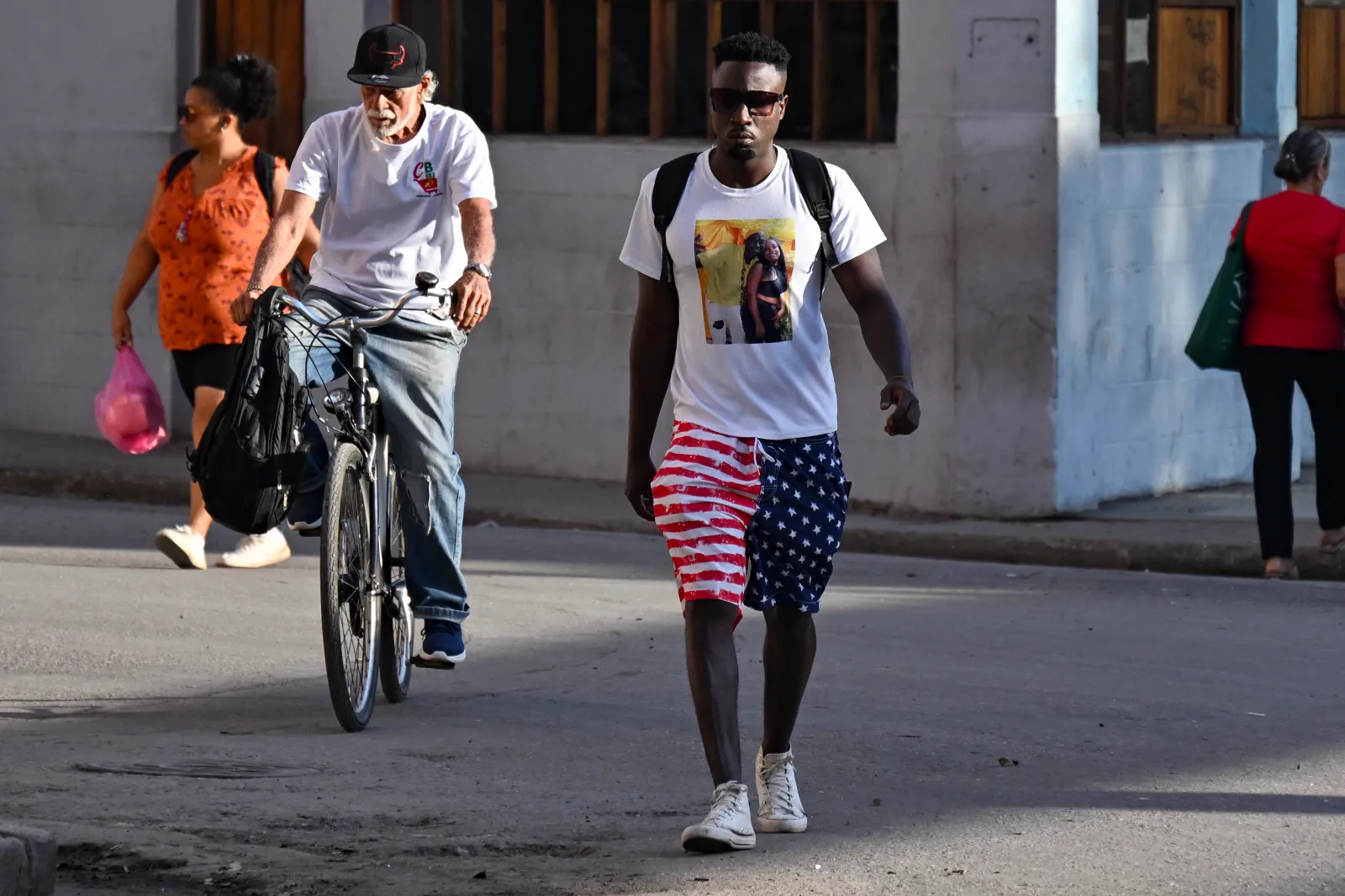
Newsweek's Tom O'Connor reported from Havana as Cuba faces one of its most severe crises in decades, driven by tightened U.S. pressure, fuel shortages and a collapsing power grid. There he witnessed rolling blackouts, medicine shortages, disrupted transport, shuttered university buildings, mounting trash, and growing public frustration.
Cuban President Miguel Díaz-Canel blames the suffering largely on Washington’s blockade and says his government is trying to adapt, including through solar power, while critics fault Cuba’s communist system and poor infrastructure. Ordinary Cubans interviewed express sharply different views: some blame the government and even welcome U.S. intervention, while others insist the blockade is the root problem and say Cuba will endure.
The piece concludes that predictions of Cuba’s collapse may be premature, because daily life and community resilience continue despite deep hardship.
In a polarized era, the center is dismissed as bland. At Newsweek, ours is different: The Courageous Center—it's not "both sides," it's sharp, challenging and alive with ideas. We follow facts, not factions. If that sounds like the kind of journalism you want to see thrive, we need you.
When you become a Newsweek Member, you support a mission to keep the center strong and vibrant. Members enjoy: Ad-free browsing, exclusive content and editor conversations. Help keep the center courageous. Join today.


View 0 Comments
Submit Correction
View Editorial & AI Guidelines