10
Loading video...

By Thomas Westerholm
Life & Trends Reporter
0
Share
Newsweek is a Trust Project member
See more of our trusted coverage when you search.Prefer Newsweek on Googleto see more of our trusted coverage when you search.
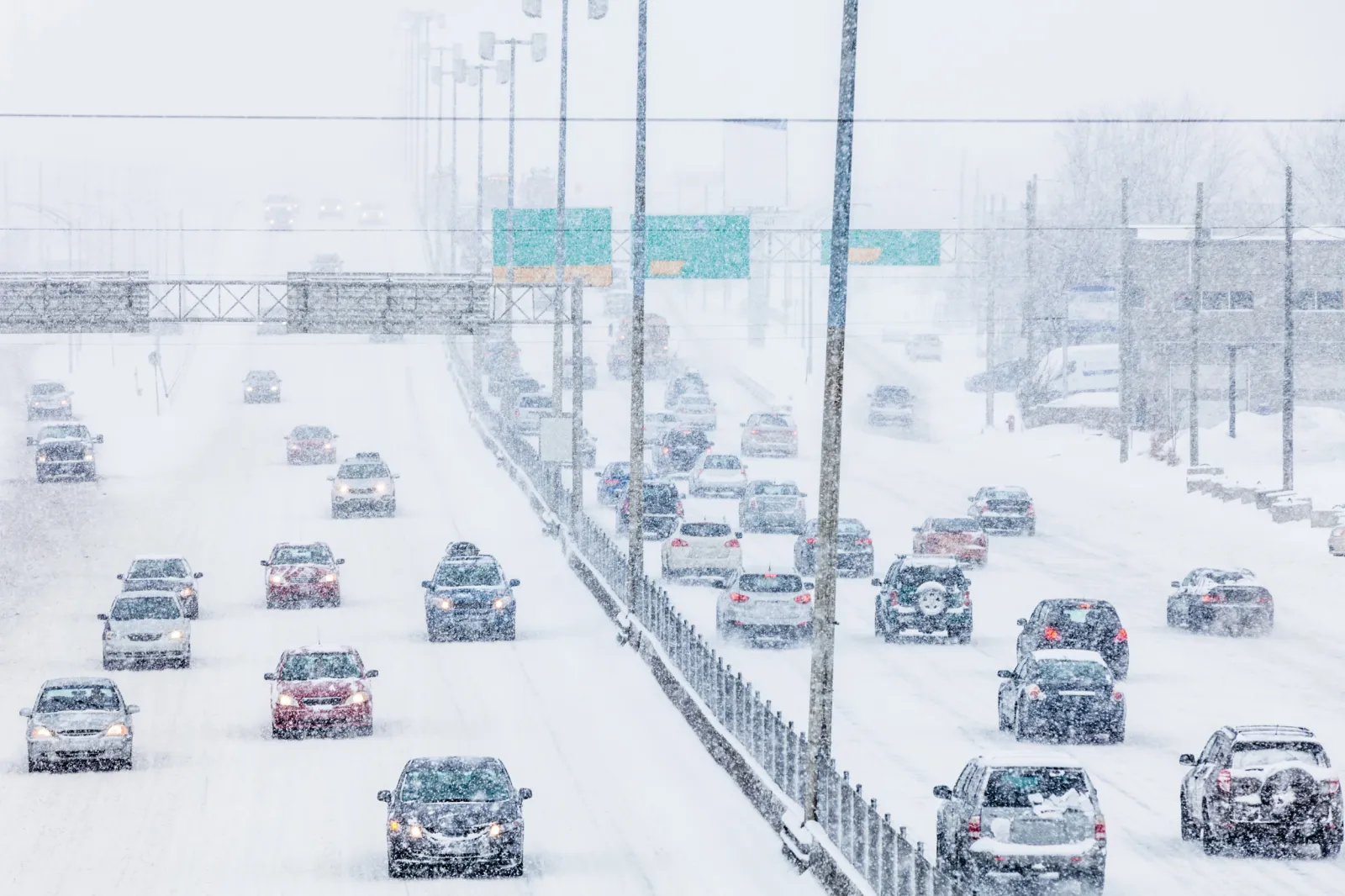
Ice storms are sweeping across the United States, bringing hazardous road conditions, power outages and potentially severe disruptions.
As freezing rain accumulates on trees, power lines and roads, experts warn residents to take precautions before, during and after the storm to ensure safety.
The National Weather Service predicts that multiple regions in the Midwest and the Northeast will continue facing dangerous conditions.
Read More on News
States like Pennsylvania, West Virginia and Maryland are expected to experience the heaviest ice accumulation.
...
Build an Emergency Kit
Having an emergency kit prepared before an ice storm is essential.
According to Farm Bureau Insurance, residents should stock up on battery-powered radios, flashlights, candles, bottled water and non-perishable food. Blankets, sleeping bags and warm clothing are also important in case your heating sources fail.
Travelers should keep an emergency kit in the car. WebMD suggests that a car survival kit should include a first-aid supply, extra food and water, an emergency blanket and a flashlight.
Drivers should also have an ice scraper, a small broom and a bright-colored cloth to tie to the antenna for visibility in case of an emergency.
Protect Your Home
Ice storms can cause severe damage to homes, particularly when power outages occur.
Homeowners should take precautions before a storm hits by setting thermostats to a reasonable level to conserve energy, insulating pipes to prevent freezing and ensuring all doors and windows are sealed properly.
If a power outage occurs, dress in layers and stay in a single, enclosed space to help conserve heat. Covering windows with black cloth at night to trap heat and setting faucets to a slow drip can prevent pipes from freezing and bursting.
Homeowners should also check their insurance policies to confirm they have coverage for weather-related damages, including roof collapses and fallen tree branches.
Staying Safe During the Storm
Experts say that staying indoors is the safest option during an ice storm.
For people who must venture outside, WebMD recommends warm layers, wearing waterproof gloves and boots and carrying a charged cell phone.
If driving is unavoidable, travelers should inform someone of their plans and check weather reports regularly.
What to Expect After an Ice Storm
After an ice storm, fallen branches, slick surfaces and power outages can pose lingering dangers.
Residents should wait until it is safe before venturing outside to clear ice or debris. Rock salt or sand to help melt ice on walkways and driveways.
Power restoration can take time depending on the severity of the storm. The storm hitting the Midwest and Northeast could cause power outages lasting up to several days in some areas.
The National Weather Service advises affected residents to stay updated with emergency broadcasts and prepare for extended disruptions.
By following safety measures, residents can minimize the risks associated with ice storms and stay prepared for future weather events.
View 0 Comments
Submit Correction
View Editorial & AI Guidelines