- U.S.
- World
- Science
- Health
- Life
- Rankings
- Opinion
- Entertainment
- Fact Check
- My Turn
- Education
- EventsSportsPodcastsBetter PlanetBetter WorkplacesMightierAutosNewslettersUnconventionalVantageExpertsLeadershipDev Pragad
- Subscribe

- Login
×
Subscribe Login
- U.S.
- World
- Science
- Health
- Life
- Rankings
- Opinion
- Entertainment
- Fact Check
- My Turn
- Education
- Events
- Sports
- Podcasts
- Better Planet
- Better Workplaces
- Mightier
- Autos
- Newsletters
- Unconventional
- Vantage
- Experts
- Leadership
- Dev Pragad
In the Midst of a Global Food Crisis, Bayer is Helping Empower Farmers
By Matt Villano
 Newsweek Is A Trust Project Member
created for
Produced for an organization or individual that has paid for and approved the content.
Share
Copy Link
✓ Link copied to clipboard!
Listen
Translate
- English (Original)
- Español
- 中国人
- Français
- Deutsch
- Portuguese
- हिन्दी
Newsweek AI is in beta. Translations may contain inaccuracies—please refer to the original content.
Read original
Speed: 0.5xSpeed: 1xSpeed: 1.5xSpeed: 2x
🎙️ Voice is AI-generated. Inconsistencies may occur.
✖
Breakthrough innovations, tool accessibility and investing in vegetable seeds help maximize harvest potential.
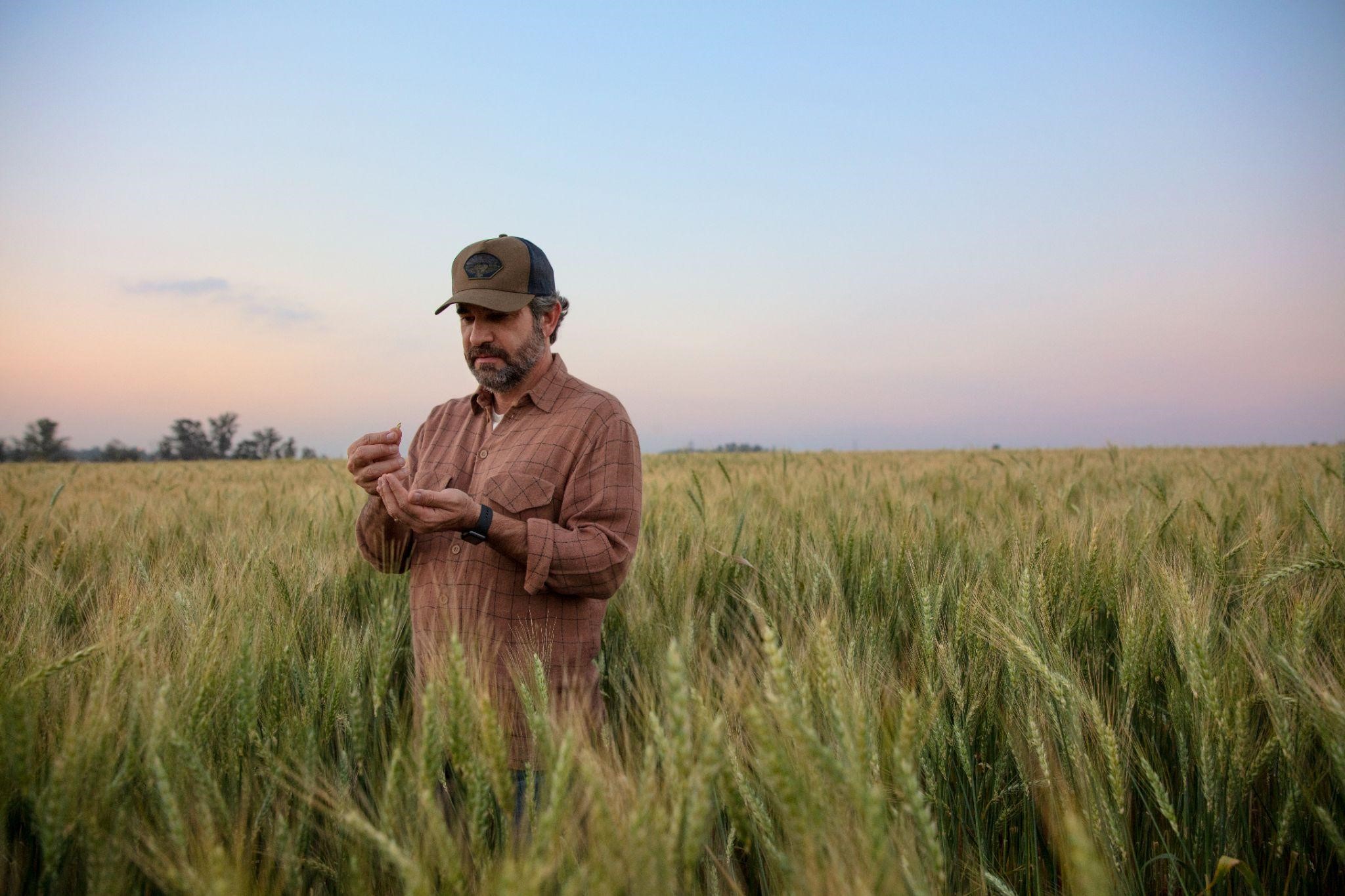
Smallholder farmers—those with smaller plots of land, who tend to grow only one or two crops—are in particular need, and Bayer has responded with innovation and commitment. Smallholder farmers—those with smaller plots of land, who tend to grow only one or two crops—are in particular need, and Bayer has responded with innovation and commitment. BAYER
You don't have to be your family's regular shopper to know that food prices have been higher these days than they've ever been. The data also speaks for itself. The United Nations noted food expenses hit an all-time record in February 2022 and again in March. According to the Food and Agriculture Organization Food Prices Index, which measures international expenditures on a monthly basis, food is 7.9 percent more expensive on average than it was in August 2021. Eggs are more than $3 per dozen. Depending on where you live, strawberries are as much as $5 per pint. A gallon of milk is more than $4.. And if you want something particularly "fancy," such as a whole chicken, you're looking at an average of around $1.80 per pound. It's a "new normal" that Bayer, one of the leading life-sciences companies in the U.S, is paying attention to.
Reasons for Rising Food Prices
Russia's recent invasion of Ukraine is a most pressing issue right now, and it has been affecting food prices across the world. Together the two nations account for nearly one-third of global wheat and barley supplies and two-thirds of the world's export of sunflower oil used for cooking. The conflict damaged Ukraine's ports and agricultural infrastructure so significantly that it is likely to limit the country's agricultural production for years. The war has also impacted rising fuel prices, which affect transportation, distribution and even harvesting of crops.
Of course, COVID-19 had already increased the cost of food. Global food prices started to rise when businesses shut down due to the pandemic, straining supply chains. A shortage of labor, as lockdowns restricted movement, impacted crops worldwide. Fields went unharvested. Raw materials spoiled while waiting for processing. And processed goods were delayed indefinitely at ports around the world, whose markets have not yet fully recovered.
Climate change and resulting droughts in Brazil and China added to the succession of troubles, crippling soybean and wheat crops, respectively. Farmers also experienced fertilizer shortages, which led to difficulties with the 2020 and 2021 growing seasons, and there have been other major problems with key crops and industries in just about all other parts of the world. "Spiraling costs, fertilizer shortages and severe weather events are combining to make food production more difficult and expensive," said Patrick Lockwood-Taylor, president of Bayer U.S.
The Way Forward
To alleviate the food crisis and prevent long-term food shortages, innovation is needed to strengthen the global food system, develop programs to fight climate change and support farmers around the world. Smallholder farmers—those with smaller plots of land, who tend to grow only one or two crops—are in particular need. Low and middle-income countries on the edge of food-insecurity tend to rely on these farmers to feed their populations.
One of the companies heading up the charge is Bayer. Said Lockwood-Taylor, "We're addressing rising food prices by working with biotech organizations to create more resilient, resource-efficient and carbon-smart solutions that will help to increase productivity and minimize harvest loss." Specifically, Bayer has joined other key stakeholders in the private sector to sign the Zero Hunger Private Sector Pledge, a commitment to help end world hunger by 2030. Bayer pledged $160 million to this cause, including $100 million to helping smallholder farms increase their agricultural productivity by providing better access to seeds.
Every year, up to 40 percent of food crops are lost to plant pests and diseases, impacting both harvests and incomes. These losses have had a devastating effect on the poorest communities—and ultimately on food prices around the world. Through programs like the Better Life Farming Alliance, led by Bayer, farmers in the developing world are given support, including seed planting, precision irrigation, crop protection, financing and insurance to help grow their farms into sustainable businesses. "Building resilient food value chains to support smallholder farmers requires long-term commitment and strong relationships," said Tania Lozansky, global head of advisory, manufacturing agribusiness and services at the International Finance Corporation. "The Better Life Farming Alliance is demonstrating how such relationships are able to bring true value to farmers and their communities," Lozansky said.
Lockwood-Taylor added, "Bayer is committed to empowering farmers on the ground by providing access to the seed and technologies they need to be most effective during this time of hardship. We must all do our part—as individuals and organizations—to help address global food security now."
Bayer scientists are applying their knowledge to their vegetable seed business, helping provide farmers around the world with tailored solutions designed to improve their harvests. The company is also angling to address rising food prices through technology. "Carbon sequestration innovations, combined with the latest seeds and technology, enable farmers to produce maximum harvests with reliable tools, and reduce farmers' reliance on nitrogen," said Jacqueline Applegate, president of North America Crop Science, a division of Bayer focused on advancements in agriculture.
Amid disruption to the global supply chain and lasting effects from the war in Ukraine, Bayer is making efforts to help repair the broken international food system. The company donated 40,000 bags of seed this year to support 1,250 Ukrainian farmers who are still planting, and it remains committed to providing agricultural support to the region.
Individually, these are small steps. Taken as a whole, however, they represent the power of a multipronged approach to strengthening our global food system.
Bayer and Bayer Cross are registered trademarks of Bayer Group. ©2022 Bayer Group. All rights reserved.


U.S.WorldScienceHealthRankingsOpinionEntertainmentFact CheckMy TurnEducationEventsSportsPodcastsBetter PlanetBetter WorkplacesMightierAutosNewslettersUnconventionalVantageExpertsLeadershipDev Pragad
Trending
Israel at War Vladimir Putin Russia-Ukraine War Donald Trump
Subscriptions
Membership Monthly $4.99 Membership Yearly $49.00 Membership+Print Monthly $9.99 Membership+Print Yearly $99
Newsletters in your inbox See all
The Bulletin (Daily)See Sample
The Gist of It (Daily)
Geoscape (Twice a Week)
The 1600 (Daily)
Inside Trump Policy (Weekly)
Newsweek AI (Weekly)
Sports Daily (Daily)
The Josh Hammer Report (Weekly)See Sample
For The Culture (Three Times a Week)See Sample
Discoveries (3 Times a Week)
Like & Subscribe (Daily)
Breaking News (As it Breaks)
The Debate (Twice a Week)
Pawsitively (Daily)
Better Planet (Weekly)
The Good Life (Weekly)
Newsweek Pulse (2x3 Times a Month)
Sign up now
You can unsubscribe at any time. By signing up you are agreeing to our Terms of Service and Privacy Policy
In The Magazine  September 19
2025 Issue
Company
About UsMastheadDiversityAnnouncementsArchivePolicies and StandardsMission StatementLeadershipNewslettersPress Center
Editions:
Contact
AdvertiseCareersContact UsCorrections
Terms of Use
Cookie PolicyCopyrightPrivacy PolicyTerms & ConditionsTerms of Sale Privacy Settings
© 2026 NEWSWEEK DIGITAL LLC