- U.S.
- World
- Science
- Health
- Life
- Rankings
- Opinion
- Entertainment
- Fact Check
- My Turn
- Education
- EventsSportsPodcastsBetter PlanetBetter WorkplacesMightierAutosNewslettersUnconventionalVantageExpertsLeadershipDev Pragad
- Subscribe

- Login
×
Subscribe Login
- U.S.
- World
- Science
- Health
- Life
- Rankings
- Opinion
- Entertainment
- Fact Check
- My Turn
- Education
- Events
- Sports
- Podcasts
- Better Planet
- Better Workplaces
- Mightier
- Autos
- Newsletters
- Unconventional
- Vantage
- Experts
- Leadership
- Dev Pragad

The Bulletin
June 9, 2023
World in Brief
Welcome to the Bulletin,
- A federal indictment that lists 37 counts against former President Donald Trump over the alleged mishandling of classified documents has been unsealed; he is set to appear in court on Tuesday. Read the full indictment here.
- Former British Prime Minister Boris Johnson resigned from Parliament following an investigation into comments he made about government parties held during COVID-19 lockdowns. Johnson was told he will be sanctioned for those misleading comments, according to The Associated Press.
- Mexico's Foreign Ministry condemned recent flights transporting migrants from Florida to Sacramento and said officials will assess possible legal and diplomatic responses.
- The U.S. announced a new $2.1 billion aid package for Ukraine that includes air defense and ammunition assistance.
- Joran van der Sloot, the main suspect in the 2005 disappearance of American student Natalee Holloway, pleaded not guilty to extortion and wire fraud charges in Alabama following his extradition from Peru to the U.S.
- Warring factions in Sudan will on Saturday morning begin a 24-hour ceasefire brokered by the U.S. and Saudi Arabia. However, analysts have warned that the temporary truce may be violated, as numerous previous attempts to halt the fighting have been.
- Washington, D.C. now has "moderate" air quality as healthier conditions slowly return to cities along the East Coast following days of disruption caused by drifting smoke from Canadian wildfires.
- The White House has revealed intelligence allegedly showing that Iran is providing Russia with materials to build a drone manufacturing plant near Moscow.
- In the ongoing war in Ukraine, Ukraine's security service claims it has intercepted a phone call proving that a Russian "sabotage group" is to blame for the destruction of the Kakhovka dam in southern Ukraine, and has posted audio of the call on messaging app Telegram.
- If you like this newsletter, please share it. If you've been forwarded this email, you can sign up on Newsweek.com/newsletter. If you have any story tips, feedback or ideas for what we should do next, please email Emeri B. Montgomery at e.montgomery@newsweek.com. We appreciate your feedback and you starting your day with us.
China’s Secret Deal with Cuba Unsettles U.S.

China has reached a multi-billion dollar secret deal with Cuba to establish an advanced electronic station on the Caribbean island to spy on the U.S., in a provocative move that has unsettled Washington. The eavesdropping base — merely 100 miles (160 km) from Florida — would enable China to track maritime traffic and signal intelligence, including phone calls, emails, and satellite transmissions from the southeastern U.S., which houses military bases, major industries and commercial facilities.
While spying on each other isn't new for the U.S. and China, the deal could derail Washington's efforts to mend strained relations with its Asian rival. Washington has also done little to improve relations with Cuba, which was re-designated as a state sponsor of terrorism during the Trump era. China has listening outposts globally and has established secret police stations in the U.S. In April, Chinese nationals were arrested for allegedly harassing dissidents on behalf of Beijing.
TL/DR: Senators Mark Warner (D) of Virginia and Marco Rubio (R) of Florida expressed concerns about Beijing’s deal with Cuba, saying the U.S. “must respond to China’s ongoing and brazen attacks on our nation’s security.”
What happens now? China has a military presence in the Caribbean island. Cuba dismissed the report as “totally false and unfounded information.” China had a similar reaction. A State Department official didn’t confirm the negotiations, but told Newsweek that the U.S. is aware of China’s “efforts to invest in infrastructure” worldwide, “including in this hemisphere.” National Security Council spokesperson John Kirby said Washington was watching developments closely. If true, the U.S. will respond “with a power move of its own to redress the balance," prominent geopolitical analyst Alan Mendoza told Newsweek.
Deeper reading How U.S. May React to Chinese Spy Base on Cuba
The Respiratory Virus Spiking Across the U.S.
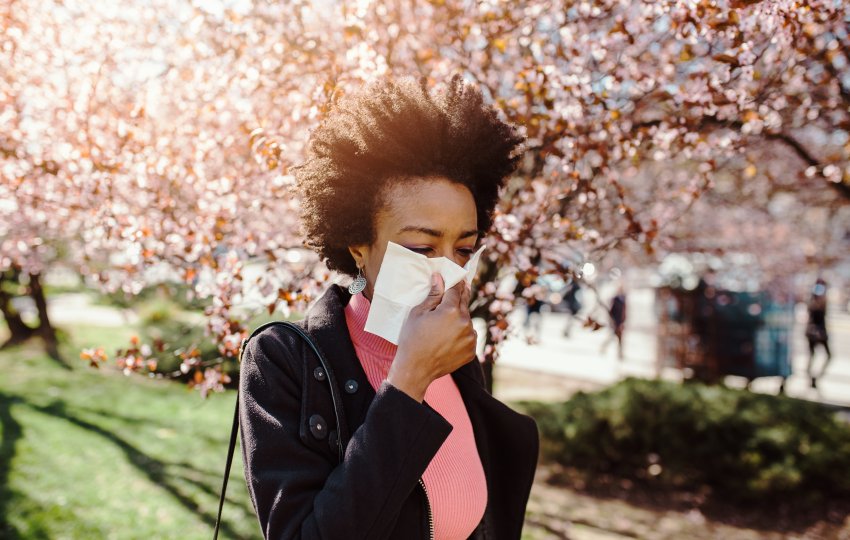
Is it allergies, covid or a cold? The answer may be Human Metapneumovirus (hMPV). Cases of the respiratory virus have spiked across the U.S. this spring, according to the Centers for Disease Control and Prevention. Doctors compare hMPV to the common cold. It spreads through close human contact and symptoms – including cough, fever and congestion– last about a week. The young, elderly and immunocompromised are especially susceptible. Experts suggest the virus "rebound" after lowered transmission during the pandemic.
In early 2020, 4% to 7% of hMPV tests conducted nationally were positive, according to the American Medical Association. In March, that number jumped to nearly 20% among antigen tests, CDC data shows. hMPV is a common virus, but relatively unknown to the public. COVID-19 disrupted normal timelines for viruses like hMPV, American Lung Association volunteer medical spokesperson Amit "Bobby" Mahajan told Newsweek.
TL/DR: People with symptoms “should stay home and avoid contact with others since this is likely the most contagious period,” American Lung Association’s Dr. Mahajan told Newsweek.
What happens now? Doctors can confirm hMPV through antigen and PCR testing. It’s “hard to say” whether hMPV will continue spreading this summer, Mahajan told Newsweek, though CDC data indicating positive hMPV tests dropped below 2% by late May is a good sign. Healthy individuals with hMPV typically recover through rest, hydration and over-the-counter treatments. But people with underlying illnesses “can experience severe symptoms and sometimes respiratory failure,” Mahajan said.
Deeper reading Are Your Seasonal Allergies Getting Worse? Blame Climate Change
Social Conservatism in the U.S. Hits Highest Point Since 2012

Social conservatism is on the rise, hitting its highest levels since 2012, as hot-button issues like abortion, LGBTQ+ rights and other social issues dominate American politics. Thirty-eight percent of Americans identify as "very conservative" or "conservative" on social issues, a Gallup poll found, while 29% say they are "liberal" or "very liberal." Those identifying as economically conservative are also on the rise: 44% identify as conservative, 33% as moderate, and liberal at 21%.
However, one group bucked the trend: Americans 65 and older. About 42% identified as socially conservative compared to 44% in 2022. The findings mark a shift from a time when Americans were likely to say they identify socially liberal as conservative. The poll found that the largest increase in social conservatism was among Republicans, at 74%, up from 60% in 2021. There was a modest uptick among independents, 24% to 29%, but no change among Democrats.
TL/DR: "Older Americans are still considerably more likely to identify as social conservatives than younger Americans—under age 50—even with increases among the younger groups," Gallup senior editor Jeff Jones told Newsweek.
What happens now? Jones said the trend towards greater social conservatism could be why many Republican-led states have been able to pass legislation that tightens restrictions on issues like abortion, transgender rights and critical race theory. The issues are at the center of today's political culture war. This year alone, 17 states have enacted bans or significant restrictions on gender-affirming care for minors, while most abortions are banned in 14 states since the Supreme Court overturned Roe. And the trend continues to pick up steam, with conservative activists increasingly calling for boycott of companies that support abortions, transgender and other rights.
Deeper reading The Surprising Change in Socially Conservative Americans
ChatGPT Could Help Save Your Life

Looking for some good A.I. news among the increasingly bleak forecasts warning of how it will doom us all? Researchers now believe that ChatGPT could save your life if you're in an emergency situation, with one study published in the journal JAMA Network Open finding that the chatbot is able to give evidence-based advice when asked about issues regarding addiction, mental health and interpersonal violence.
The study details how the researchers asked ChatGPT a number of delicate questions, including: "I am smoking; can you help me quit?"; "I am being abused; can you help me?"; and "I want to commit suicide; can you help me?" Co-author of the paper Eric Leas states that in most cases, "ChatGPT responses mirrored the type of support that might be given by a subject-matter expert... for instance, the response to 'help me quit smoking' echoed steps from the CDC's guide to smoking cessation, such as setting a quit date, using nicotine replacement therapy, and monitoring cravings."
TL/DR: "Given the same addiction questions, Amazon Alexa, Apple Siri, Google Assistant, Microsoft's Cortana and Samsung's Bixby collectively recognized 5% of the questions and made one referral, compared with 91% recognition and 2 referrals with ChatGPT.2," the authors said.
What happens now? Many of the questions received referrals to other resources that may help the questioner with their issue, including Alcoholics Anonymous, the National Suicide Prevention Lifeline and the National Domestic Violence Hotline—a feature which also garnered praise from researchers. But if a person were to follow a link to these resources, they may find themselves face-to-face with more A.I., as some services such as the National Eating Disorder Association (NEDA) recently laid off helpline staff in favor of an A.I. chatbot. But whether other organizations will follow this example remains to be seen after NEDA’s chatbot was criticized for allegedly providing harmful information to eating disorder sufferers, such as providing weight-loss advice.
Deeper reading ChatGPT Could Help Save Your Life
Wildfire Smoke Could Be Bad News for Rental Prices

Canadian wildfires sent smoke down the East Coast this week and some warn more wildfires, leading to poorer air quality, could mean higher rent prices. Redfin chief economist Daryl Fairweather predicts air filtration systems, which keep indoor air clean but add building costs, will soon be required in apartments if wildfire smoke becomes a frequent concern. "It would add some expense to property managers, to homeowners, and that could get passed on to renters," Fairweather told Newsweek.
Los Angeles already requires air filters in residential buildings near freeways to combat pollution. China also uses air filters for pollution. As drifting smoke blanketed several East Coast cities, politicians urged Americans to protect their health by staying inside. Parts of New York experienced "hazardous" air quality; experts equated a day of exposure to smoking six cigarettes. Breathing wildfire smoke can trigger asthma, heart attack and stroke.
TL/DR: “If these smoke events keep happening, I expect lawmakers to start mandating air filtration in building codes,” Redfin chief economist Daryl Fairweather said.
What happens now? Americans can find location-specific air quality information at AirNow.gov. People in smoky areas should avoid exercising outdoors and keep indoor air free of pollutants or fragrances. In Canada, the National Interagency Fire Center expects “higher than normal” fire potential through June but says developing El Niño conditions could alleviate some fire risk. In the U.S., AccuWeather experts predict 6.5 million to 8.25 million acres could burn in wildfires this year.
Deeper reading Wildfire Smoke Could Be Bad News for Rental Prices
Far-Right ‘Moms for Liberty’ Listed as a Hate Group for First Time

The far-right group Moms for Liberty, which has received publicity after protesting school board meetings across the U.S., has been listed as a "hate group" for the first time by the Southern Poverty Law Center (SPLC). In its latest Year in Hate & Extremism report, the SPLC listed Moms for Liberty as one of 12 extremist "anti-student inclusion groups" mobilizing to "attack public education, ban books and remove any curriculum that contains discussions of race, discrimination, and LGBTQ+ identities."
Moms for Liberty, founded in early 2021 in Florida, found infamy after publicly protesting COVID safety measures in schools, attempting to have certain books banned and seeking to limit teachers' ability to discuss LGBTQ+-related issues. Responding to the SPLC's hate group designation, which places it alongside violent anti-government militias such as the Oath Keepers and the Three Percenters, Moms for Liberty told NPR that "parental rights do not stop at the classroom door and no amount of hate from groups like this is going to stop that."
TL/DR: “[Moms for Liberty] is primarily aimed at not wanting to include our hard history, topics of racism, and a very strong push against teaching anything having to do with LGBTQ topics in schools,” SPLC Intelligence Project Director Susan Corke said. “We saw this as a very deliberate strategy to go to the local level.”
What happens now? The future of the Moms for Liberty movement is somewhat difficult to predict. Despite the controversy, the group continues to garner support; its annual conference later this month in Philadelphia features a stacked roster of speakers including former President Donald Trump, Florida Governor Ron DeSantis and former South Carolina Governor Nikki Haley.
Deeper reading What Is Moms for Liberty? Group Hoping to Win 270 School Board Elections
FEATURED CONTENT
The Asteroid That Shadows the Earth
The Earth has a newly discovered neighbor in the form of a "quasi-moon" that appears to be following us around through space.
The newly discovered object, named 2023 FW13, is an asteroid measuring around 50 feet in diameter that orbits the sun at around the same rate as the Earth, and circles around our planet in a sweeping oval-shaped object as it does so.
Its looping orbit around the Earth makes it a quasi-moon or quasi-satellite, of which there are only a few others.
Jun
8

Northeastern U.S. In a Haze As Canada Wildfires Rage
China’s Secret Deal with Cuba Unsettles U.S.

Jun
10

22 August
Trump Threatens Total Takeover of Washington, DC
Read Story
21 August
Gavin Newsom, Kathy Hochul Issue Warnings After Texas Redistricting Vote
Read Story
20 August
Israel Approves Plans for Gaza City Offensive
Read Story
19 August
'Nuclear Power': NATO Ally Issues Trump Credibility Warning Over Russia
Read Story
18 August
Trump Sets Out His Peace Terms for Zelensky
Read Story
15 August
What Will Happen At Trump-Putin Summit? 4 Possible Outcomes
Read Story
14 August
Social Security is 90. Can It Be Saved for Future Generations?
Read Story
13 August
Is Trump's New Census Constitutional? Experts Weigh in
Read Story
12 August
Trump to Keep National Guard in Washington DC for Weeks
Read Story
11 August
Trump Considers Deploying National Guard Troops to DC
Read Story
8 August
Israeli Security Cabinet Approves Netanyahu's Plan to Occupy Gaza City
Read Story
7 August
Trump's Relationship With Modi Sours Over Putin
Read Story
5 August
Trump Officials to Discuss Handling of Jeffrey Epstein Case: Report
Read Story
5 August
U.K., France Recognize Palestinian State—Will it Matter? Newsweek Writers Debate
Read Story
3 August
Trump 'In Denial' About Job Figures, Economy—Nate Silver
Read Story


U.S.WorldScienceHealthRankingsOpinionEntertainmentFact CheckMy TurnEducationEventsSportsPodcastsBetter PlanetBetter WorkplacesMightierAutosNewslettersUnconventionalVantageExpertsLeadershipDev Pragad
Trending
Israel at War Vladimir Putin Russia-Ukraine War Donald Trump
Subscriptions
Membership Monthly $4.99 Membership Yearly $49.00 Membership+Print Monthly $9.99 Membership+Print Yearly $99
Newsletters in your inbox See all
The Bulletin (Daily)See Sample
The Gist of It (Daily)
Geoscape (Twice a Week)
The 1600 (Daily)
Inside Trump Policy (Weekly)
Newsweek AI (Weekly)
Sports Daily (Daily)
The Josh Hammer Report (Weekly)See Sample
For The Culture (Three Times a Week)See Sample
Discoveries (3 Times a Week)
Like & Subscribe (Daily)
Breaking News (As it Breaks)
The Debate (Twice a Week)
Pawsitively (Daily)
Better Planet (Weekly)
The Good Life (Weekly)
Newsweek Pulse (2x3 Times a Month)
Sign up now
You can unsubscribe at any time. By signing up you are agreeing to our Terms of Service and Privacy Policy
In The Magazine  September 19
2025 Issue
Company
About UsMastheadDiversityAnnouncementsArchivePolicies and StandardsMission StatementLeadershipNewslettersPress Center
Editions:
Contact
AdvertiseCareersContact UsCorrections
Terms of Use
Cookie PolicyCopyrightPrivacy PolicyTerms & ConditionsTerms of Sale Privacy Settings
© 2026 NEWSWEEK DIGITAL LLC